
- → Stress Is Not Uniformly Immunosuppressive: Acute stress lasting minutes to hours primes immune defenses, whereas chronic stress lasting months exhausts cellular reserves (Dhabhar, 2014).
- → Falling Blood Leukocyte Counts Are Not Depletion: Under acute alarm, white blood cells do not vanish; they marginate and migrate to barrier tissues to guard against wounding (Dhabhar et al., 2012).
- → Vaccine Efficacy Rises Under Mild Acute Stress: Experiencing mild acute arousal immediately prior to vaccination significantly boosts post-immunization antibody titers (Edwards et al., 2006).
- → Unremitting Glucocorticoids Desensitize Cellular Receptors: Prolonged mental strain induces glucocorticoid receptor resistance, disabling inflammatory brakes and fostering low-grade chronic inflammation (Cohen et al., 2012).
⚠️ Informational Notice: This article is strictly for scientific education and general awareness; it does not substitute for clinical medical examination, diagnosis, or personalized treatment. If you experience chronic exhaustion or frequent recurrent infections, consult a qualified physician.
In Brief
- Stress is not inherently toxic: Acute stress lasting minutes or hours acts like a biological fire drill, sharpening innate immune defenses.
- White blood cells deploy to frontline tissues: During an acute threat, falling leukocyte counts in blood do not indicate cell death; cells actively migrate to the skin and mucosal surfaces to establish a defensive shield.
- Duration dictates the outcome: If the alarm resolves swiftly and the body returns to baseline, immunity is enhanced; if the alarm sounds continuously for weeks, physiological resilience breaks down.
- Illness strikes when you finally relax: The sudden withdrawal of stress hormones following intense work periods unmasks deferred inflammatory symptoms (“leisure sickness”).
Sounds Familiar?
Remember how you felt when you nearly tripped over an exposed tree root during a morning jog, or when a vehicle abruptly cut into your lane on the highway. Your heart surges into your throat, your respiration accelerates, and your focus narrows instantaneously. Within seconds, the hazard passes, you take a deep breath, and you carry on with your day.

What does that fleeting surge of panic do to your immune system? Conventional folklore assumes that all stress universally suppresses immunity. Yet immunologists and neurobiologists emphasize that the answer is definitively “both yes and no.”
Everything hinges on duration. Let us explore the fundamentally opposing biological adaptations that separate short-term acute alarms from unremitting chronic strain.
1. Two Polar Realities: Fire Drill vs. Endless Inferno
From an evolutionary standpoint, the mammalian stress response is a survival adaptation forged to escape predators or survive physical combat. Confronting a predator carried an extreme likelihood of lacerations, punctures, and pathogen exposure.
Consequently, during acute threat, the brain does not merely pump oxygenated blood and glucose to skeletal muscles. It simultaneously commands leukocyte redeployment—the tactical redistribution of immune cells from central reservoirs to perimeter barrier organs. This short burst is the biological equivalent of a well-rehearsed building fire drill.
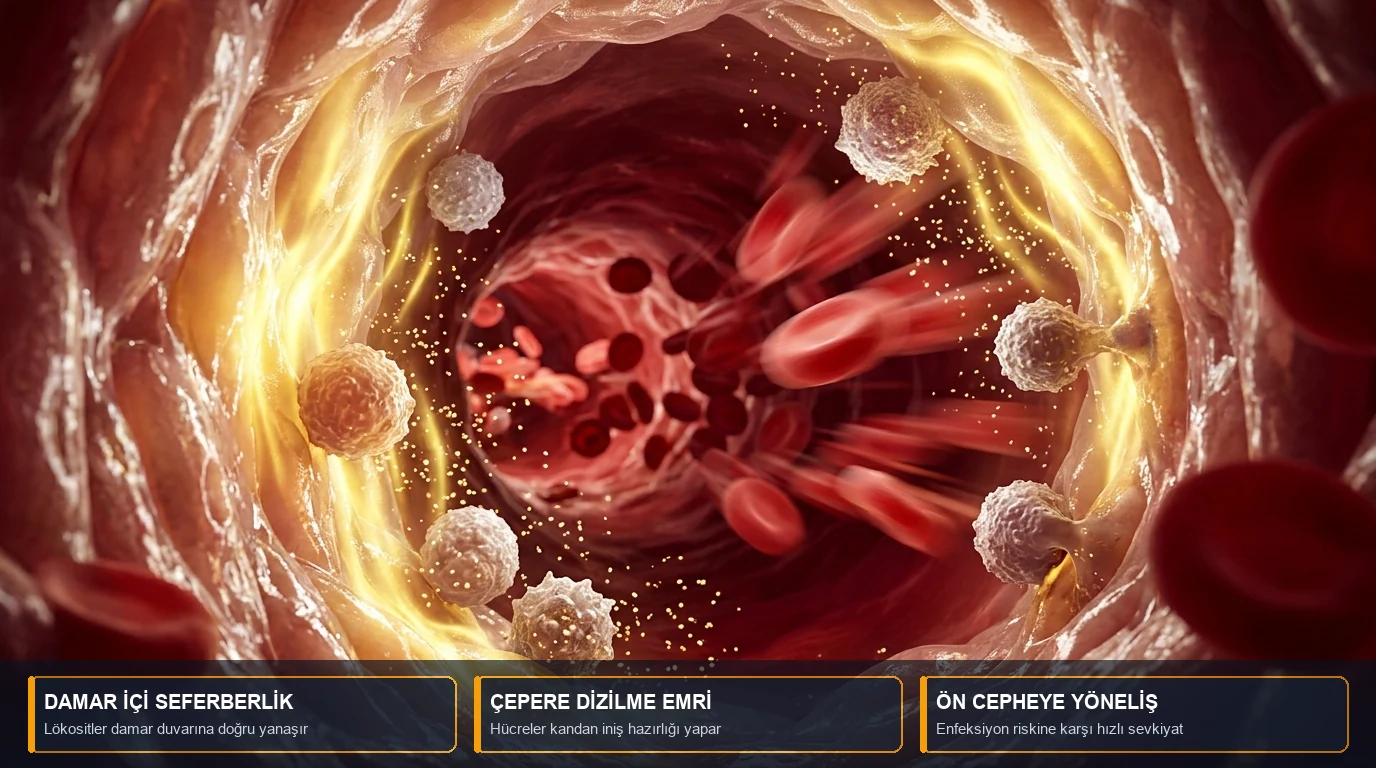
Under the influence of sympathetic catecholamines (epinephrine and norepinephrine), leukocytes leave the central bloodstream, adhere to endothelial walls, and extravasate into tissues prone to injury—such as the dermis and mucosal linings. They stand primed to neutralize incoming microbes.
Once the acute threat subsides, these cells return to baseline patrol routes. This rapid pulsatile mobilization trains immune cells, maintaining heightened vigilance without inflicting systemic collateral damage.
2. Where Do Blood Cells Go? The Misinterpreted Blood Test
In early twentieth-century laboratory trials, researchers observed that humans and animals subjected to acute stress exhibited a sharp decline in circulating white blood cell counts. Investigators originally misinterpreted this drop as “acute immune collapse.”
Seminal research led by Dr. Firdaus Dhabhar at Stanford University overturned this dogma. The immune cells had not undergone apoptosis; they had merely exited the circulatory highway to garrison peripheral outposts.
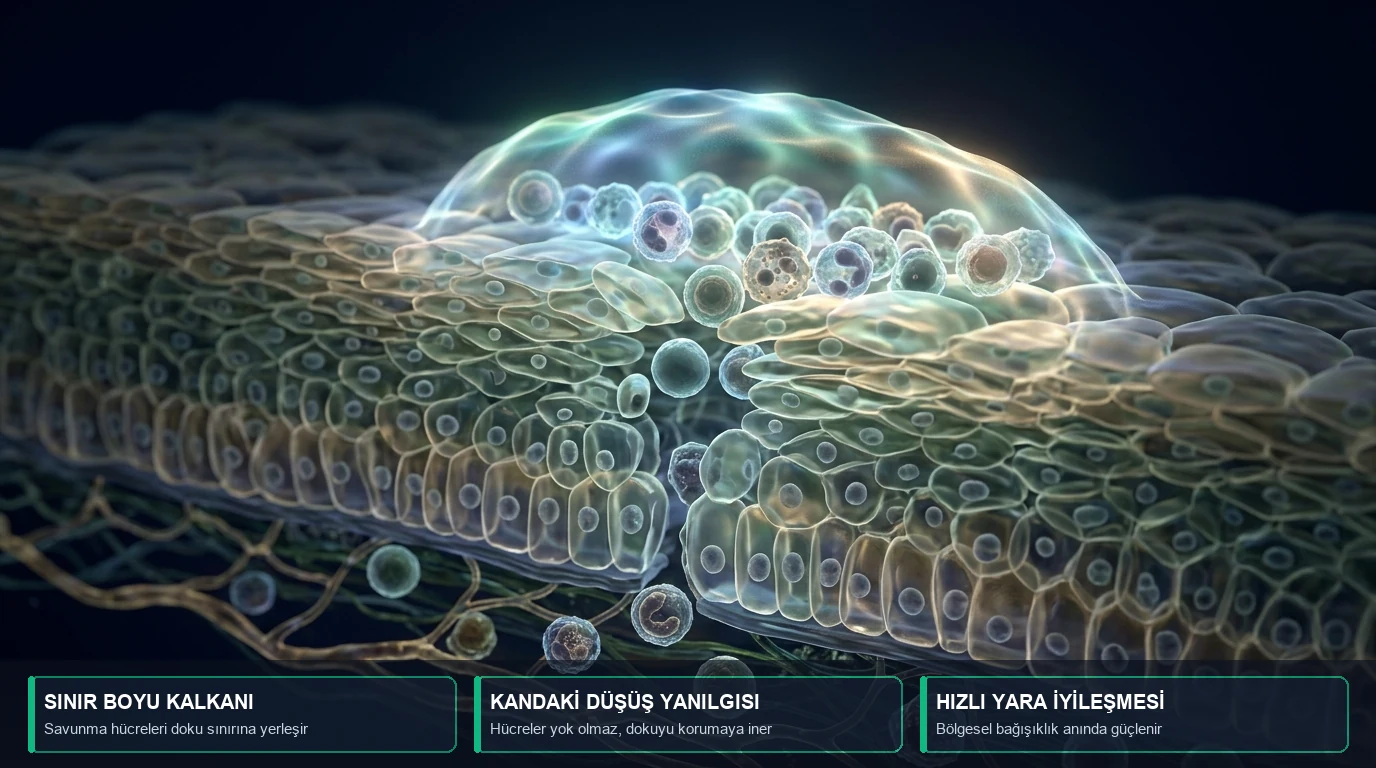
Consider an analogy: When an emergency siren sounds in a city, police officers do not remain inside the precinct house—they deploy to intersections and critical avenues. A census taken solely inside the precinct would mistakenly conclude that the police force had vanished.
In reality, defensive firepower is concentrated precisely where pathogens are most likely to breach the perimeter. Clinical trials show that individuals experiencing mild acute stress before influenza vaccination generate significantly higher protective antibody titers [3], and surgical patients with moderate preoperative acute activation exhibit superior, faster wound healing [1].
3. When the Siren Never Stops: The Cellular Toll of Chronic Strain
While acute stress builds a defensive shield, chronic tension enduring for weeks or months causes devastating physiological erosion. Relentless workplace deadlines, severe financial strain, and ongoing interpersonal conflict force the biological alarm siren to sound continuously day and night.
Unremitting sympathetic nervous activation and hypothalamic-pituitary-adrenal (HPA) axis overdrive flood tissues with persistent glucocorticoids (cortisol). In neuroscience, this cumulative wear and tear is termed allostatic load [5].

Immune cells behave like an army deprived of sleep and resupply. Energy reserves deplete, and tissues can no longer access the biochemical resources required for maintenance and repair.
The fire drill has evolved into structural ruin: the very foundations of the building crack under the persistent vibration of the alarm.
4. The Silent Smolder: Receptor Resistance and Immune Exhaustion
When immune cells are constantly bombarded with elevated cortisol, they downregulate their glucocorticoid receptors to shield themselves from hormone overload. This mirrors insulin resistance in type 2 diabetes: hormone levels are elevated, but target cells become deaf to the signal.
When glucocorticoid receptor sensitivity breaks down, the primary biological brake on inflammation fails [6]. The immune system loses its capacity to self-terminate inflammatory cascades, igniting chronic low-grade systemic inflammation [6].
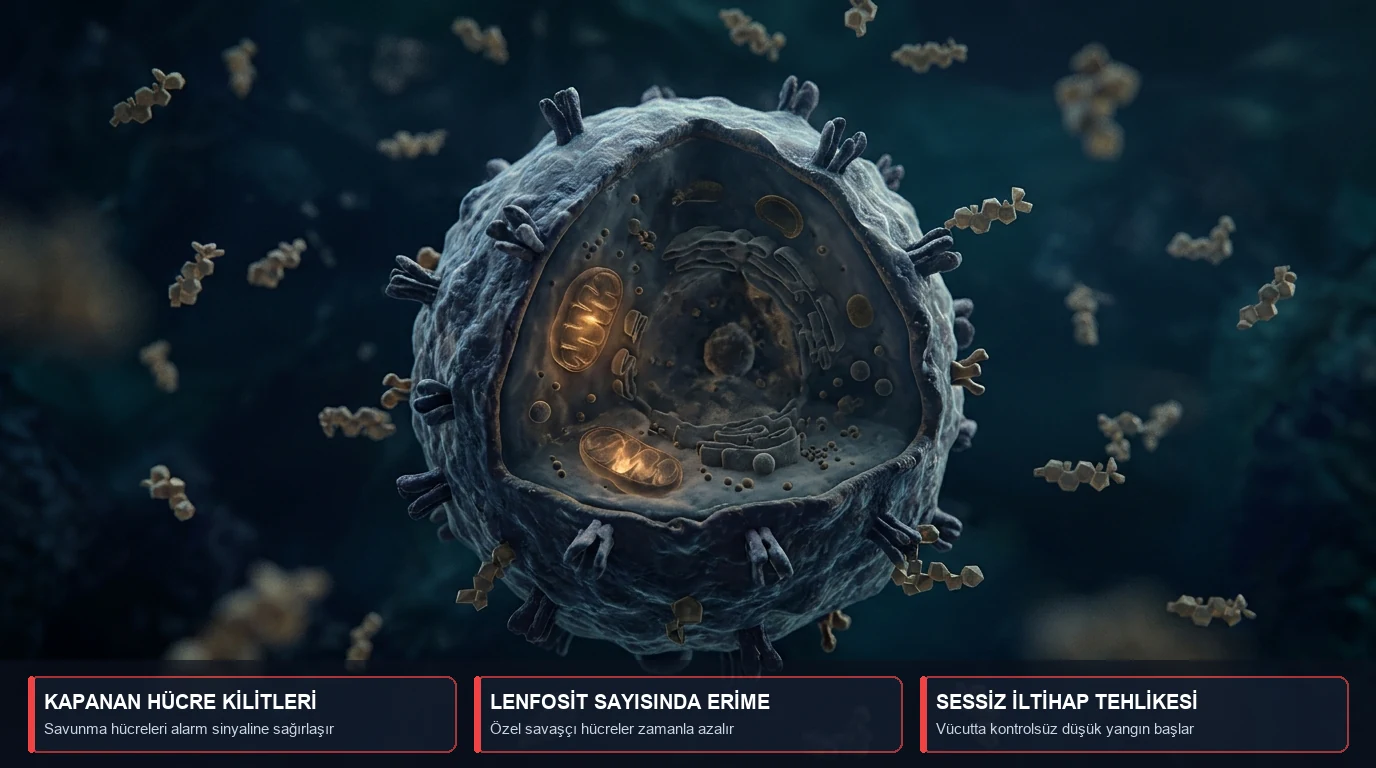
This smoldering inflammation accelerates arterial atherosclerosis, triggers cognitive brain fog, and reduces the cytotoxic activity of natural killer (NK) cells and cytotoxic T-cells [4].
In a landmark clinical study involving over 200 participants by Dr. Sheldon Cohen and colleagues, individuals experiencing chronic life stress were proven to be more than twice as susceptible to developing clinical upper respiratory viral infections following standardized rhinovirus inoculation [6].
5. Leisure Sickness: Why Do We Crash as Soon as Vacation Begins?
It is a remarkably common experience: You power through months of grueling work on a critical project without catching a single cold. Yet the moment the project concludes—the first Saturday morning of vacation, or the moment you collapse onto the couch—you wake up with a burning sore throat and fever.
Known colloquially as “leisure sickness,” this condition has a direct physiological explanation. During sustained high-stress periods, elevated cortisol and epinephrine artificially suppress inflammatory symptom manifestation.
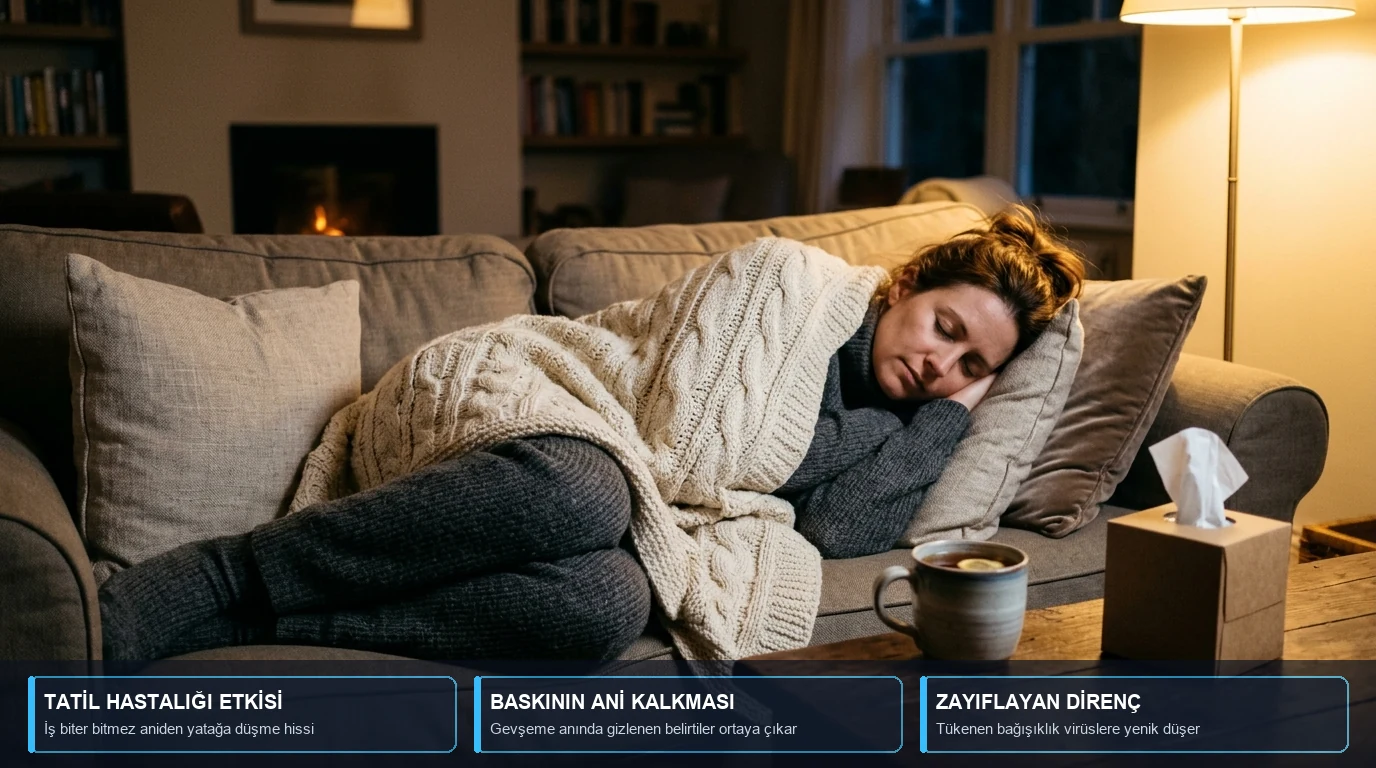
Pathogens had likely breached your defenses days prior, but your immune system deferred the full counter-attack to prioritize acute survival. As you finally relax and glucocorticoid levels plummet, your immune defenses immediately launch the delayed battle.
Fever, rhinorrhea, and malaise are not caused by the virus itself—they are the hallmarks of your immune system actively fighting. Falling ill on vacation is not caused by relaxation; it is the biological invoice for the preceding weeks of unmitigated stress.
What Can You Do? 4 Practical Steps
Understanding the dual nature of stress empowers you to prevent chronic allostatic wear while harnessing acute arousal. Here are 4 science-grounded strategies:
- 1. Reframe acute arousal: Interpret racing heartbeats before presentations as adaptive physiological mobilization rather than an impending catastrophe.
- 2. Integrate ultradian micro-breaks: Every 90 minutes of focused effort, take a 3-minute slow-respiration pause to clear catecholamines and prevent baseline allostatic elevation.
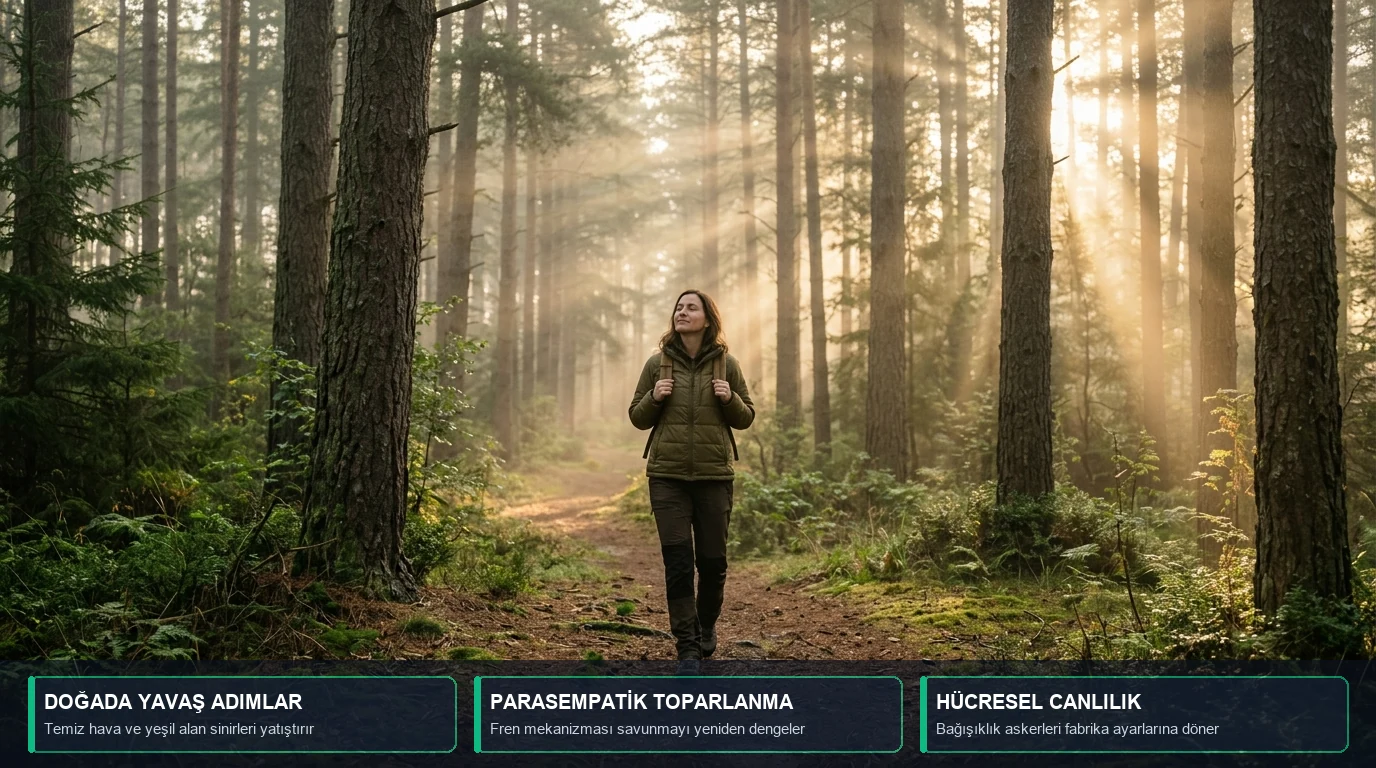
- 3. Engage in nature walks: A brisk 30-minute walk through green space lowers sympathetic outflow, elevating parasympathetic vagal tone and resetting immune homeostasis.
- 4. Taper down after project deadlines: Avoid crashing into complete immobility immediately after intense workloads; transition gently with light aerobic movement and structured sleep.
Among these habits, reframing acute arousal delivers the fastest physiological return. When your prefrontal cortex interprets arousal as an empowering preparation rather than a threat, the central alarm shuts off on schedule.
Related Reading
- Discover how emotional states travel directly to immune receptors in How Mental Stress Travels to Immune Cells: Neurobiology.
- Learn how chronic sympathetic overload degrades vagal tone in our Work Stress, Burnout, and HRV Guide.
- Explore the biological clock disruptions of irregular work hours in Nutrition for Night Shift Workers: Meal Timing and Protein.
How Much Can We Trust the Evidence?
| Finding | Evidence Level |
|---|---|
| Acute stress redeploying leukocytes from blood to peripheral barrier tissues | 🟢 Strong |
| Chronic stress inducing glucocorticoid receptor resistance in immune cells | 🟢 Strong |
| Chronic stress doubling susceptibility to common upper respiratory viral infections | 🟢 Strong |
| Mild acute stress prior to vaccination enhancing antibody response | 🟢 Strong |
| “All forms of stress are equally detrimental to immunity” | 🔴 Insufficient (Refuted by clinical data) |
💡 What Do These Confidence Levels Mean?
- 🟢 Strong: Validated across numerous independent clinical human trials and established immunological mechanisms.
- 🟡 Emerging: Preliminary findings in restricted cohorts requiring broader replication.
- 🔴 Insufficient: Contradicted by physiological laboratory findings or lacking empirical human evidence.
Frequently Asked Questions
Does feeling nervous right before an exam or speech damage my immune system?
No. In fact, a few hours of acute nervousness enhances immune preparedness by directing white blood cells into the skin and mucosal tissues [1, 2]. It is an adaptive evolutionary mobilization designed to shield you from harm [2].
Why do I always catch a cold right as my vacation starts?
High stress hormones during grueling work periods suppress inflammatory symptoms; when you relax, those symptoms emerge all at once [4]. The immune system finally unleashes its delayed counter-attack, generating fever and fatigue as active signs of healing [5].
Why do white blood cell counts drop on a blood test during acute stress?
The cells have not died; they have simply marginated and migrated from the central bloodstream into peripheral tissues to build a protective perimeter [2]. Standard venipuncture only samples the central bloodstream, missing tissue-deployed leukocytes [2].
What is the most destructive aspect of chronic stress on immunity?
The induction of glucocorticoid receptor resistance, which disables the body’s natural anti-inflammatory brakes [6]. This fosters systemic low-grade inflammation, compromises antiviral vigilance, and prolongs recovery times [6].
Conclusion
Stress is not an inherent enemy—it is the body’s most ancient and powerful survival adaptation. Alarms lasting minutes to hours mobilize immune soldiers to defend vital barriers. The danger emerges only when modern life causes the alarm to sound uninterrupted for months on end. By mastering stress duration, incorporating breathing and recovery pauses, and staying active in nature, you preserve an immune system that is both sharp and resilient.
Last Updated: October 2026
Verified References
- [1] Dhabhar, F. S. (2014). “Effects of stress on immune function: the good, the bad, and the beautiful.” Immunologic Research, 58(2-3), 193–210. DOI: 10.1007/s12026-014-8517-0 · PMID: 24798553
- [2] Dhabhar, F. S., Malarkey, W. B., Neri, E., & McEwen, B. S. (2012). “High-anxiety individuals show increased stress-induced redistribution of immune cells: implications for health.” Brain, Behavior, and Immunity, 26(7), 1141–1147. DOI: 10.1016/j.bbi.2012.07.009 · PMID: 22841961 · PMCID: PMC3445739
- [3] Edwards, K. M., Burns, V. E., Reynolds, T., et al. (2006). “Acute stress exposure prior to influenza vaccination enhances antibody response in women.” Brain, Behavior, and Immunity, 20(2), 159–168. DOI: 10.1016/j.bbi.2005.06.003 · PMID: 16046098
- [4] Glaser, R., & Kiecolt-Glaser, J. K. (2005). “Stress-induced immune dysfunction: implications for health.” Nature Reviews Immunology, 5(3), 243–251. DOI: 10.1038/nri1571 · PMID: 15738954
- [5] McEwen, B. S. (1998). “Protective and damaging effects of stress mediators.” The New England Journal of Medicine, 338(3), 171–179. DOI: 10.1056/NEJM199801153380307 · PMID: 9428819
- [6] Cohen, S., Janicki-Deverts, D., Doyle, W. J., et al. (2012). “Chronic stress, glucocorticoid receptor resistance, inflammation, and disease risk.” Proceedings of the National Academy of Sciences (PNAS), 109(16), 5995–5999. DOI: 10.1073/pnas.1118355109 · PMID: 22474371 · PMCID: PMC3341031
For informational purposes only; consult a physician for medical diagnosis or treatment.