
- → Work Stress Depletes Productivity: In Great Britain alone, 964,000 workers suffer from work-related stress, depression, or anxiety, causing 22.1 million lost workdays annually (HSE, 2025).
- → Unterminated Arousal Drives Allostatic Load: When the autonomic stress response fails to shut down off-the-clock, cumulative wear and tear sets the stage for clinical burnout (McEwen, 1998; Maslach & Leiter, 2016).
- → Heart Rate Flexibility Signals Rest: Greater beat-to-beat millisecond variability indicates robust parasympathetic vagal tone and healthy physiological flexibility (Shaffer & Ginsberg, 2017; Kim et al., 2018).
- → Slow Respiration Engages the Autonomic Brake: Resonance breathing at approximately 6 breaths per minute and 5-minute cyclic sighing downregulate sympathetic arousal, though breathwork cannot replace sustainable workplace workload management (Laborde et al., 2022; Balban et al., 2023).
⚠️ Clinical Notice: This article is an educational review based on peer-reviewed biomedical literature; it does not substitute for clinical medical evaluation, formal psychiatric diagnosis, or professional treatment. If you experience persistent depressive symptoms, panic attacks, or sleep disorders, consult a qualified physician. Wearable metrics should not be interpreted as diagnostic tools in the presence of cardiac arrhythmias or pacemakers.
Quick Summary
- In Great Britain, 964,000 workers experience work-related stress, depression, or anxiety, resulting in 22.1 million lost working days annually [1].
- Acute stress protects us; however, an alarm response that fails to deactivate in the evening accumulates chronic allostatic load [2].
- Heart Rate Variability (HRV) quantifies how flexibly the heart adapts beat-to-beat, indexing the strength of your body’s parasympathetic rest brake [5, 6].
- Slow breathing at 6 breaths per minute and 5-minute cyclic physiological sighing reliably soothe the autonomic nervous system [8, 9, 10].
Does This Sound Familiar?
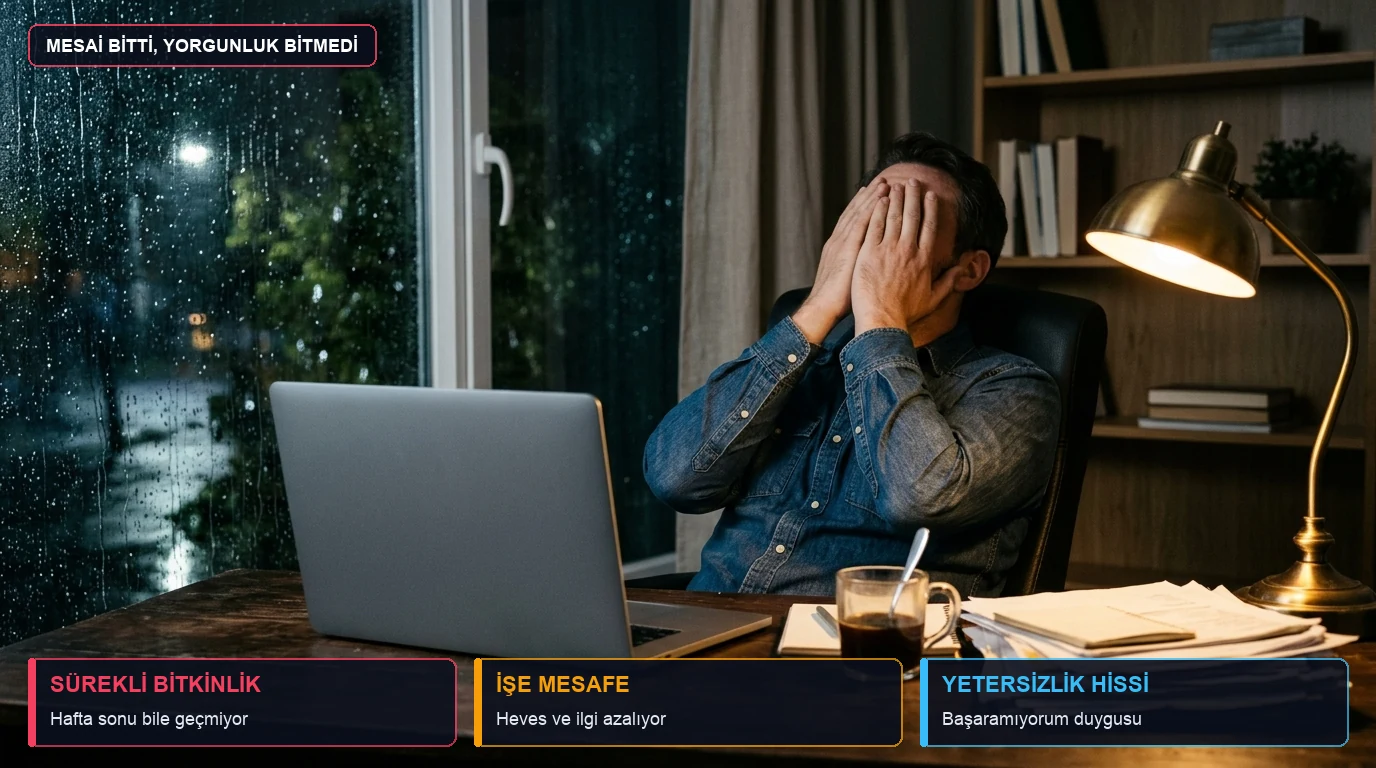
You shut your laptop in the evening, yet your mind remains trapped in tomorrow’s high-stakes morning meeting. You wake up feeling unrefreshed, and even two days of weekend rest no longer replenish your baseline vitality.
This is rarely a simple “busy week.” Official 2024/25 health surveillance data from the Health and Safety Executive (HSE) highlights the scale of occupational distress [1]:
- In Great Britain alone, 964,000 workers suffer from work-related stress, depression, or anxiety [1].
- This accounts for 22.1 million lost workdays—an average of 23 days per affected individual [1].
- Direct workplace stress and anxiety represent 52% of all work-related ill health and 62% of all lost working days [1].
Occupational stress is not a failure of individual resilience; it is a physiological response to unmanaged cognitive workload and prolonged ambiguity. Fortunately, monitoring autonomic biomarkers provides early insight into physiological fatigue, allowing us to proactively strengthen our parasympathetic nervous system.
1. The Accelerator and the Brake: Why the Body Wears Out
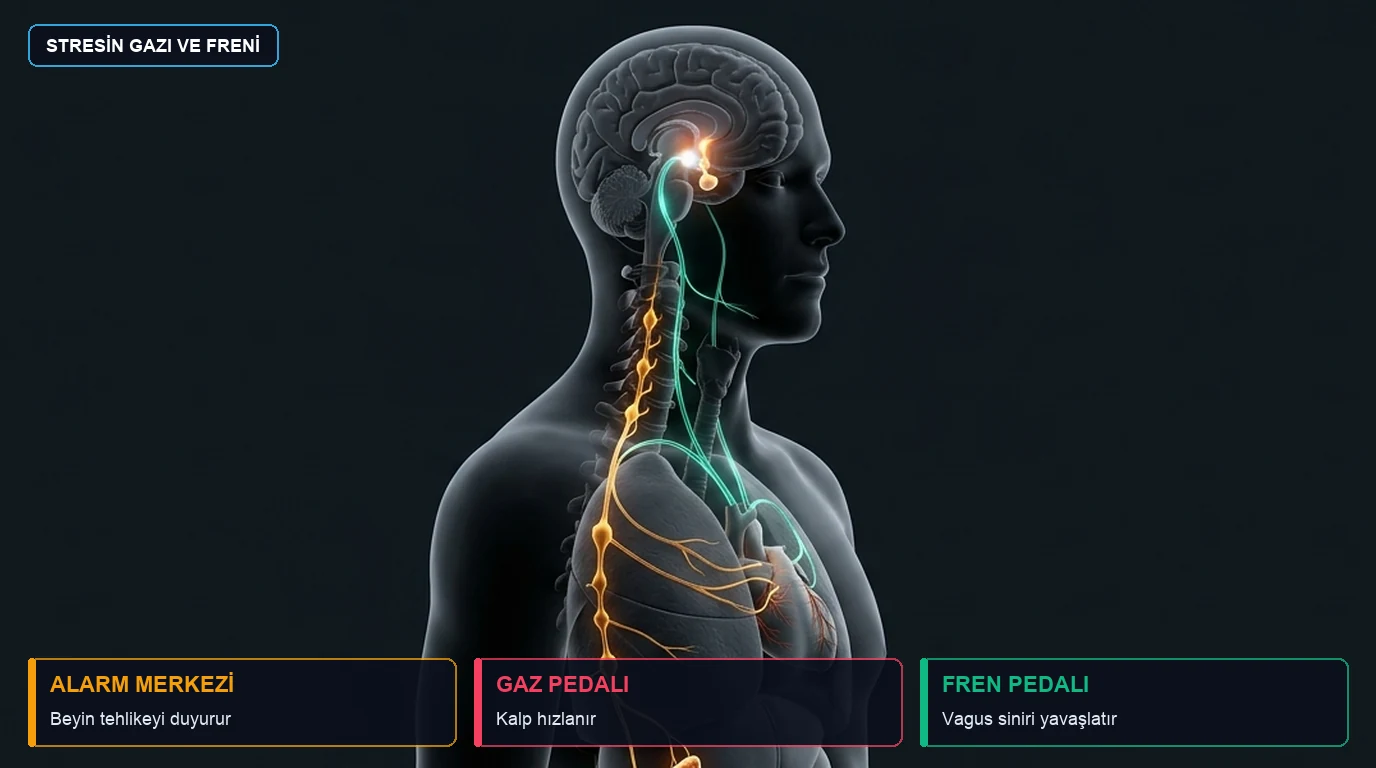
Under acute threat or workload pressure, our physiology mobilizes a two-phase neuroendocrine cascade:
- The Rapid Accelerator: Within seconds, epinephrine and norepinephrine surge, accelerating cardiac chronotropy and elevating arterial blood pressure.
- The Endocrine Axis: Within minutes, the hypothalamic-pituitary-adrenal (HPA) axis triggers cortisol release from the adrenal cortex, liberating fuel substrates into circulation.
The primary pathological issue is not the triggering of this alarm—it is the failure of the alarm to shut down after work hours.
Bruce McEwen at Rockefeller University conceptualized this persistent autonomic activation as allostatic load—the systemic wear and tear accumulated across organ systems [2]. Running an engine continuously at redline while parked will inevitably burn out internal components.
Is Burnout a Medical Disease?
According to seminal research by Christina Maslach and Michael Leiter, as recognized by the World Health Organization’s ICD-11 (code QD85), burnout is classified as an occupational phenomenon rather than an isolated clinical illness [3]. It is defined by three hallmark dimensions:
- Overwhelming energy depletion and exhaustion refractory to standard rest,
- Increased mental distance, cynicism, and negativity toward professional duties,
- A pervasive sense of professional inefficacy and diminished achievement [3].
When feelings of anhedonia and pervasive hopelessness spill outside the workplace into all spheres of personal life, a medical consultation is imperative to rule out clinical major depressive disorder [3].
2. Should the Heart Beat Like a Metronome?
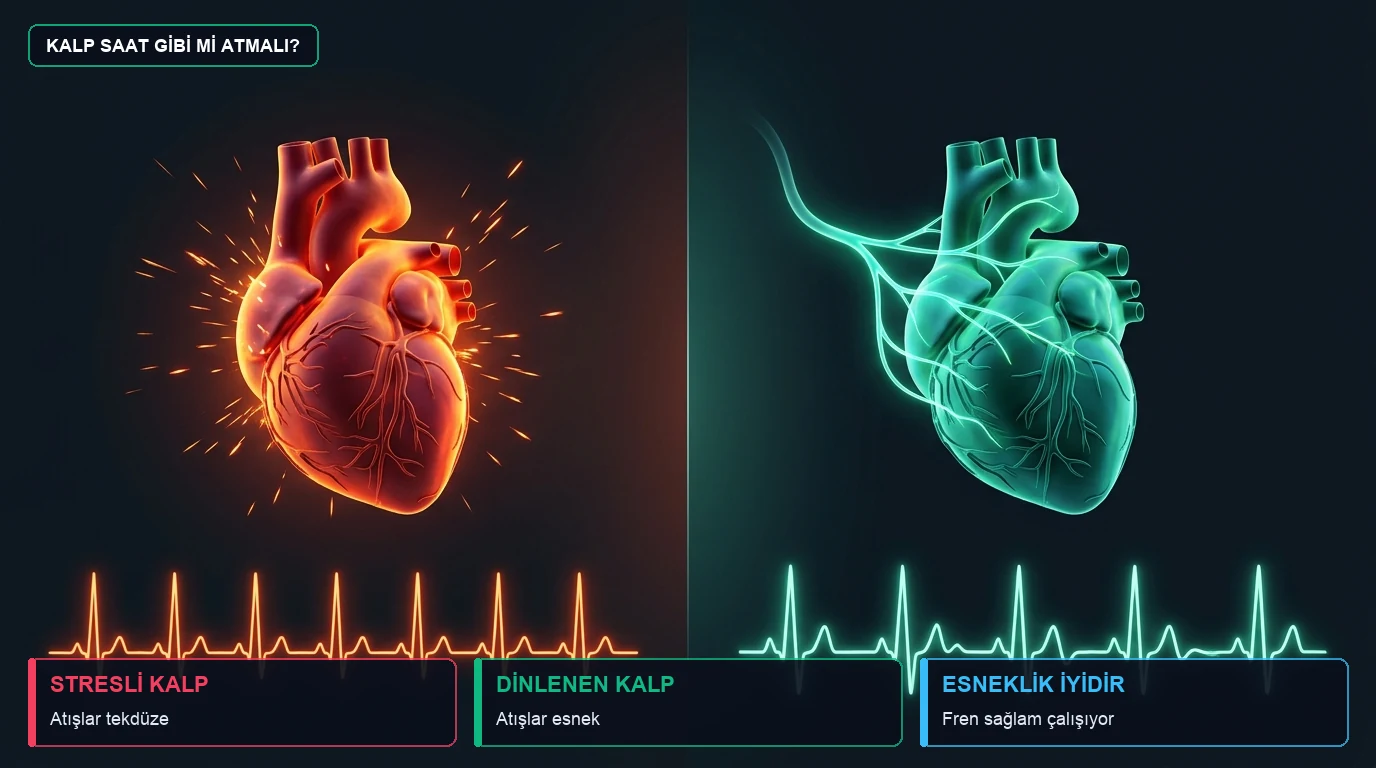
A resting heart rate of 60 beats per minute does not tick with mechanical precision every 1.00 second. The interval between successive beats (R-R interval) might be 0.92 seconds on one cycle, and 1.08 seconds on the next.
These millisecond fluctuations between successive heartbeats are known as Heart Rate Variability (HRV) [4, 5].
Autonomic regulation functions like vehicle cruise control:
- The Accelerator (Sympathetic System): During acute stress or cognitive exertion, sympathetic outflow accelerates heart rate and makes beat-to-beat intervals rigid and uniform.
- The Brake (Parasympathetic Vagus Nerve): During exhalation and rest, acetylcholine release slows the sinoatrial node, introducing healthy beat-to-beat variability [4, 5].
Consequently, higher natural beat-to-beat flexibility signals that your parasympathetic recovery brake is operating with high vagal tone. In consumer rings and smartwatches, this is most commonly indexed by the RMSSD metric (Root Mean Square of Successive Differences) [5].
A comprehensive meta-analysis by Kim and colleagues (2018) confirmed this relationship: individuals experiencing severe occupational strain exhibit significant reductions in autonomic heart rate variability [6].
3. How to Interpret Wearable HRV Data
Wearable rings, chest straps, and smartwatches have made tracking autonomic metrics effortless. However, without methodological understanding, raw daily numbers can induce unnecessary health anxiety.
| Device Modality | Sensor Mechanism | Optimal Clinical Accuracy Window |
|---|---|---|
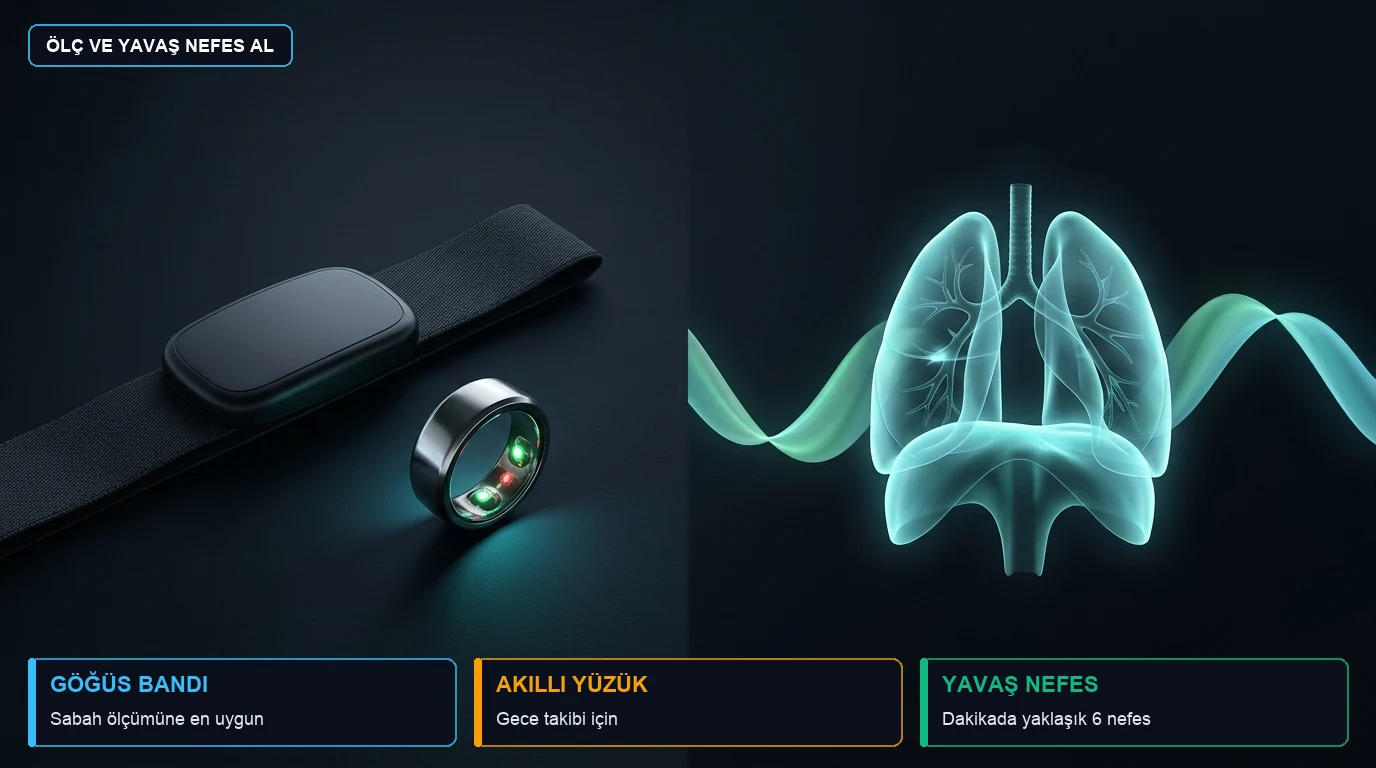
| ECG Chest Strap | Direct electrical potential (R-peak detection). | Gold-standard precision; ideal for morning orthostatic or 1-to-5-minute seated spot checks [12]. |
| Photoplethysmography (PPG) Rings & Watches | Optical volumetric blood pulse tracking. | Reliable only during overnight sleep (motionless); daytime movement introduces motion artifacts [13]. |
4 Golden Rules for Interpreting Your Numbers
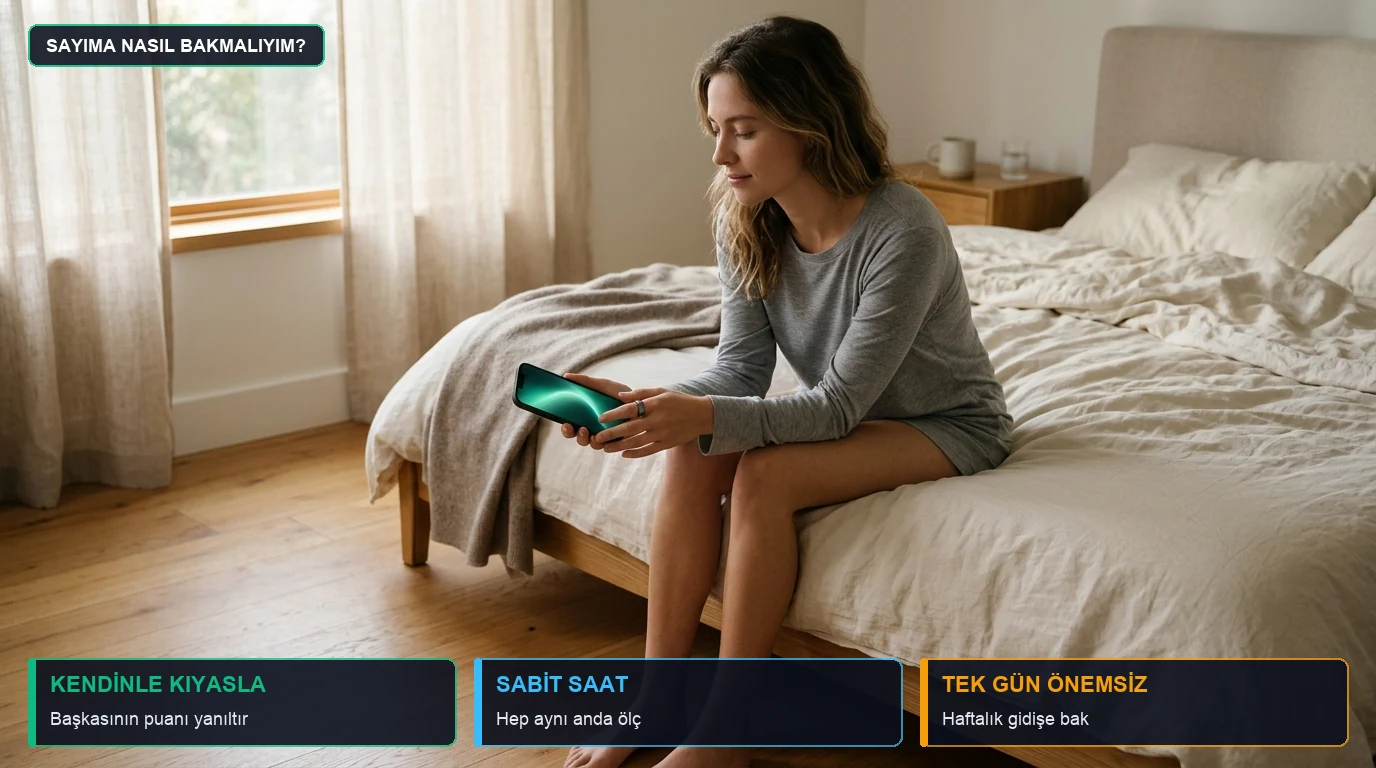
- Never Compare Scores Across Individuals: Baseline HRV is governed by age, genetics, and baseline fitness, spanning ranges from under 20 ms to over 100 ms [5]. The only valid comparison is against your personal 14-day rolling average.
- Standardize Measurement Timing: Track either overnight sleeping averages or standardized morning seated readings. Never conflate the two methodologies.
- Recognize Overnight Disruptors: Evening alcohol, late heavy meals, subclinical infections, or intense evening cognitive work rapidly suppress nocturnal RMSSD scores.
- Disregard Isolated Daily Fluctuations: A single-day drop is normal physiological variation. What warrants intervention is a multi-day downward drift accompanied by subjective lethargy.
4. Evidence-Based Interventions: 4 Practical Steps
Tracking HRV merely reads the physiological thermometer. Reducing allostatic load requires proactive behavioral protocols:
- 1. Practice 5 Minutes of Cyclic Sighing: Take a deep nasal inhalation, top it off with a second brief nasal sip of air, then release a long, unforced exhalation through the mouth [10].
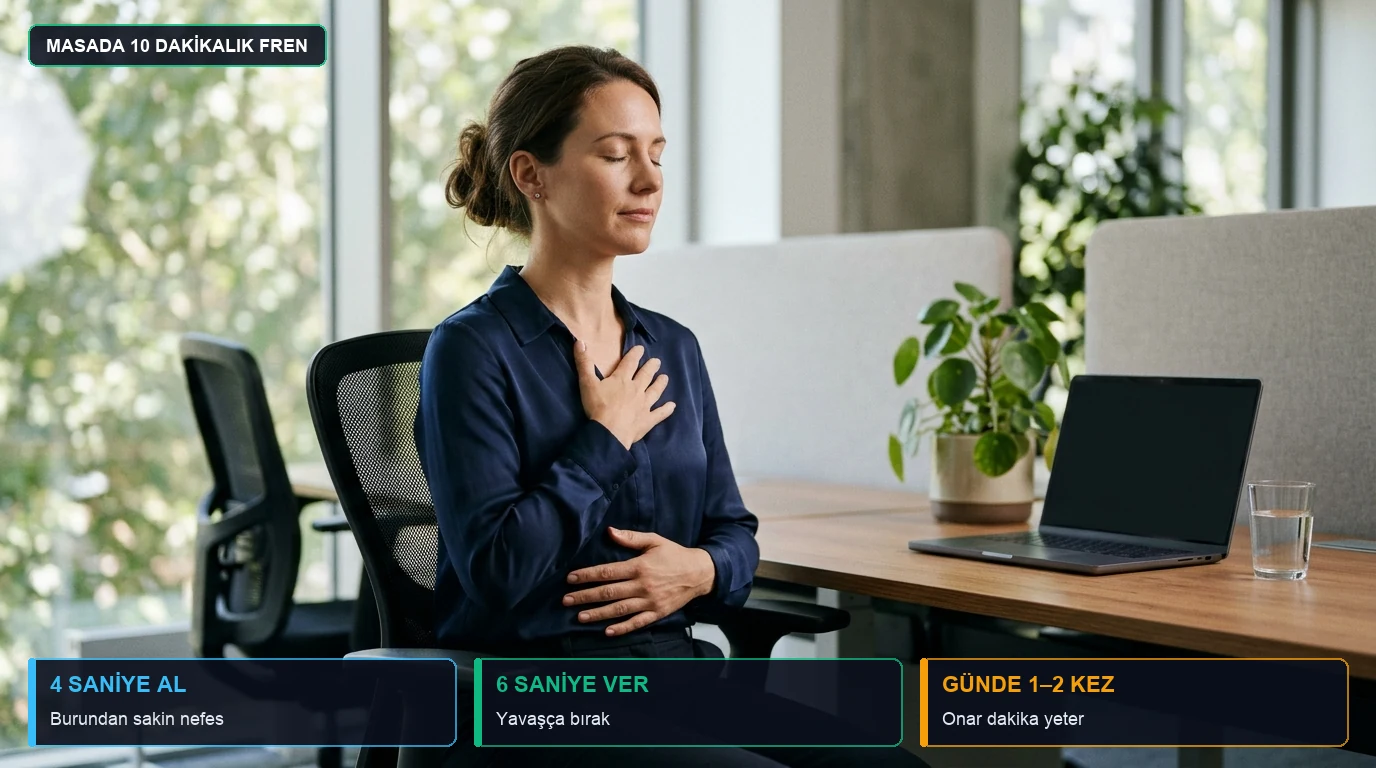
- 2. Dedicate 10 Minutes to Slow Resonance Breathing: Inhale nasally for 4 seconds, exhale smoothly for 6 seconds (~6 breaths/min) to engage the vagal brake via respiratory sinus arrhythmia [7, 8, 9].
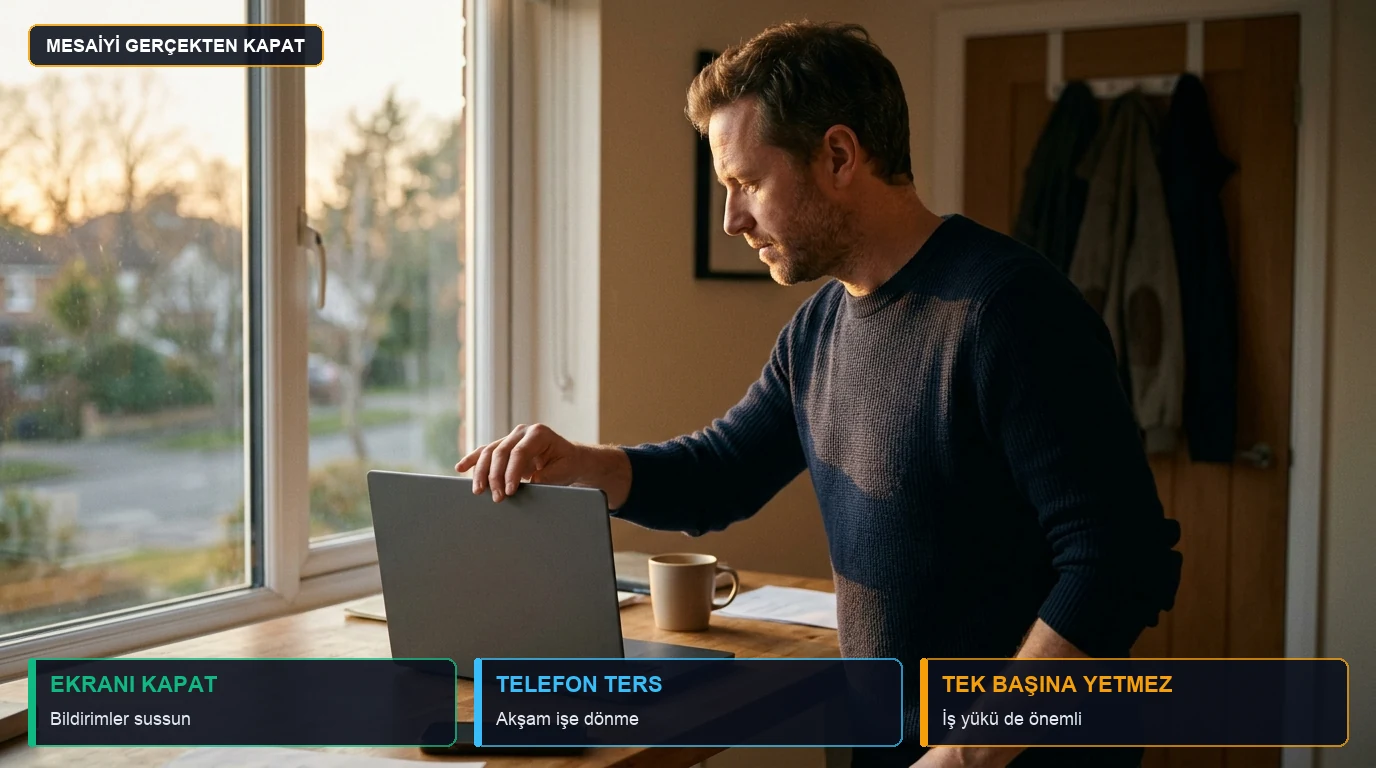
- 3. Enforce Strict Digital Off-the-Clock Boundaries: Mute all workplace notifications upon leaving the desk so the autonomic nervous system can undergo nocturnal parasympathetic recovery.
- 4. Do Not Rely on Breathwork to Compensate for Toxic Workloads: Somatic tools soothe acute nervous tension but cannot cure structural understaffing or unbounded workloads; maintain firm organizational boundaries [11].
For immediate acute tension relief, initiate Step 1. In a randomized controlled human trial conducted by Melis Yilmaz Balban, David Spiegel, and Andrew Huberman at Stanford University (2023), practicing 5 minutes daily of cyclic physiological sighing produced faster reductions in autonomic arousal and greater positive mood improvements than standard mindfulness meditation [10].
For structural autonomic conditioning, implement Step 2—slow resonance breathing at approximately 6 breaths per minute (4-second inhale, 6-second exhale). Systematic reviews by Paul Lehrer, Sylvain Laborde, and colleagues demonstrate that this cadence aligns heart rate fluctuations with vascular baroreflex rhythms, maximizing parasympathetic vagal tone and reducing perceived anxiety [7, 8, 9].
Finally, a fundamental reality: A comprehensive Cochrane systematic review examining stress management interventions among healthcare workers established that while relaxation and breathing techniques confer modest stress reductions, they cannot substitute for organizational workload adjustments and fair operating conditions [11]. Breathwork provides physiological resilience, but true recovery requires physically and digitally concluding the workday.
Evidence Confidence Ratings
| Clinical Finding | Evidence Confidence |
|---|---|
| Chronic psychological strain and high workload reduce HRV metrics | 🟢 Robust |
| ECG chest straps measure resting HRV with high gold-standard accuracy | 🟢 Robust |
| Slow resonance breathing (~6 breaths/min) strengthens vagal tone and blunts stress | 🟢 Robust |
| 5 minutes of daily cyclic sighing enhances mood and reduces physiological arousal | 🟡 Emerging |
| Nocturnal consumer smart rings and watches correlate closely with ECG for nocturnal RMSSD | 🟡 Emerging |
| Breathwork alone completely prevents occupational burnout from excessive structural workload | 🔴 Insufficient |
💡 What Do These Confidence Tiers Mean?
- 🟢 Robust: Validated by extensive randomized human trials, meta-analyses, and broad consensus.
- 🟡 Emerging: Supported by rigorous pilot trials and smaller randomized cohorts; larger replications ongoing.
- 🔴 Insufficient: Preclinical claims, conflicting outcomes, or claims lacking empirical human validation.
Frequently Asked Questions
What is an “ideal” RMSSD Heart Rate Variability score?
There is no universal single target score; healthy adult RMSSD ranges from below 20 ms to over 100 ms depending on age, genetics, and endurance conditioning [5]. Never evaluate your health by comparing your wearable score to peers; anchor your analysis strictly against your own rolling 14-day personal baseline.
Why does my HRV score plummet abruptly overnight?
The most rapid overnight suppressors are evening alcohol consumption, late heavy dinners, acute sleep restriction, oncoming viral infections, or late-night strenuous training. A single low night does not signal clinical burnout, but a persistent 1- to 2-week baseline depression indicates incomplete autonomic recovery.
Are smartwatches and smart rings accurate for tracking HRV?
During motionless overnight sleep, high-quality PPG smart rings and watches track baseline trends with sufficient reliability for lifestyle monitoring [13]. However, daytime readings suffer from motion artifacts; waking spot-checks are most accurately measured using an ECG chest strap [12].
Which breathing exercise is most effective for stress reduction?
Both resonance breathing at 6 breaths per minute (4s inhale, 6s exhale) and 5 minutes of cyclic physiological sighing are validated in controlled human trials [8, 9, 10]. Use cyclic sighing for rapid acute de-escalation, and slow resonance breathing for structured daily autonomic conditioning.
Conclusion
Workplace stress responsible for millions of lost workdays is not merely a cognitive dilemma—it represents an undeniable biological load across organ systems. Tracking HRV against your individualized baseline allows you to detect autonomic fatigue early, while resonance breathwork, restorative sleep, and uncompromising evening detachment rebuild the vagal brake of your nervous system.
Last Updated: October 2026
Scientific References
- Health and Safety Executive (HSE). Work-related stress, depression or anxiety statistics in Great Britain, 2025 (2024/25 data). hse.gov.uk/statistics/assets/docs/stress.pdf
- McEwen, B. S. (1998). Protective and damaging effects of stress mediators. New England Journal of Medicine, 338(3), 171–179. DOI: 10.1056/NEJM199801153380307
- Maslach, C., & Leiter, M. P. (2016). Understanding the burnout experience: recent research and its implications for psychiatry. World Psychiatry, 15(2), 103–111. DOI: 10.1002/wps.20311
- Task Force of the European Society of Cardiology and the North American Society of Pacing and Electrophysiology (1996). Heart rate variability: standards of measurement, physiological interpretation and clinical use. Circulation, 93(5), 1043–1065. DOI: 10.1161/01.CIR.93.5.1043
- Shaffer, F., & Ginsberg, J. P. (2017). An Overview of Heart Rate Variability Metrics and Norms. Frontiers in Public Health, 5, 258. DOI: 10.3389/fpubh.2017.00258
- Kim, H. G., Cheon, E. J., Bai, D. S., Lee, Y. H., & Koo, B. H. (2018). Stress and Heart Rate Variability: A Meta-Analysis and Review of the Literature. Psychiatry Investigation, 15(3), 235–245. DOI: 10.30773/pi.2017.08.17
- Lehrer, P. M., & Gevirtz, R. (2014). Heart rate variability biofeedback: how and why does it work? Frontiers in Psychology, 5, 756. DOI: 10.3389/fpsyg.2014.00756
- Goessl, V. C., Curtiss, J. E., & Hofmann, S. G. (2017). The effect of heart rate variability biofeedback training on stress and anxiety: a meta-analysis. Psychological Medicine, 47(15), 2578–2586. DOI: 10.1017/S0033291717001003
- Laborde, S., Allen, M. S., Borges, U., et al. (2022). Effects of voluntary slow breathing on heart rate and heart rate variability: A systematic review and a meta-analysis. Neuroscience & Biobehavioral Reviews, 138, 104711. DOI: 10.1016/j.neubiorev.2022.104711
- Balban, M. Y., Neri, E., Kogon, M. M., et al. (2023). Brief structured respiration practices enhance mood and reduce physiological arousal. Cell Reports Medicine, 4(1), 100895. DOI: 10.1016/j.xcrm.2022.100895
- Tamminga, S. J., Emal, L. M., Boschman, J. S., et al. (2023). Individual-level interventions for reducing occupational stress in healthcare workers. Cochrane Database of Systematic Reviews, 2023(5), CD002892. DOI: 10.1002/14651858.CD002892.pub6
- Schaffarczyk, M., Rogers, B., Reer, R., & Gronwald, T. (2022). Validity of the Polar H10 Sensor for Heart Rate Variability Analysis during Resting State and Incremental Exercise in Recreational Men and Women. Sensors, 22(17), 6536. DOI: 10.3390/s22176536
- Dial, M. B., Hollander, M. E., Vatne, E. A., et al. (2025). Validation of nocturnal resting heart rate and heart rate variability in consumer wearables. Physiological Reports, 13(16), e70527. DOI: 10.14814/phy2.70527
For informational purposes only; consult a physician for medical diagnosis or treatment.