- → Zombie Cells Accumulate in Tissues: Non-dividing senescent cells refuse to die, secreting inflammatory toxins that accelerate aging in surrounding healthy cells (Kirkland & Tchkonia, 2020).
- → Protective Telomere Caps Shorten: The protective caps at the ends of chromosomes erode with each cycle of cell division, establishing a biological boundary for cellular renewal (Blackburn et al., 2015).
- → Mitochondrial Power Generation Declines: As the cellular powerhouses age, ATP output drops while reactive byproduct leaks rise, causing noticeable daytime fatigue (López-Otín et al., 2023).
- → Autophagy and Plant Senolytics Clear Damage: Controlled fasting windows, daily physical activity, and dietary polyphenols like quercetin actively stimulate cellular recycling (Sanford, 2026).
⚠️ Medical Disclaimer: This article is for informational purposes only and does not replace medical advice, diagnosis, or clinical treatment. If you experience persistent chronic exhaustion, unexplainable weight loss, or metabolic issues, consult an internist or qualified physician promptly.
In Brief
- An invisible biological clock: Aging is far more than graying hair or facial fine lines; the true transformation unfolds inside trillions of individual cells at the microscopic scale.
- The lurking threat of zombie cells: Cells that cease dividing but resist natural cell death secrete toxic compounds that harm surrounding healthy tissues.
- Eroding chromosome caps: Telomeres at chromosome ends function like protective plastic aglets on shoelaces, progressively wearing down with every cell division.
- Renewal protocols: Daily movement, overnight intermittent fasting windows, and polyphenol-dense whole foods empower your cells to clean house and rebuild energy capacity.
Sounds Familiar? “I Never Used to Feel This Sluggish”
In your early twenties, a night of poor sleep could be shaken off with a quick splash of cold water. Today, a busy weekend or an afternoon of yard work might leave your muscles feeling heavy for several days.

Most people shrug off this transition as simple aging. Yet, as Dr. Mark Sanford and contemporary cellular researchers emphasize, physical sluggishness is not a biological sentence; it is a quiet signal from trillions of cells requesting maintenance [1, 2].
Our body may look like a unified sculpture from the outside, but underneath it functions like a bustling metropolis where millions of cells divide, repair, and generate power every second. When power generators falter and sanitation crews slow down, we feel it as a stubborn mid-day fatigue.
Protective Caps of the Genome: How Telomeres Erode
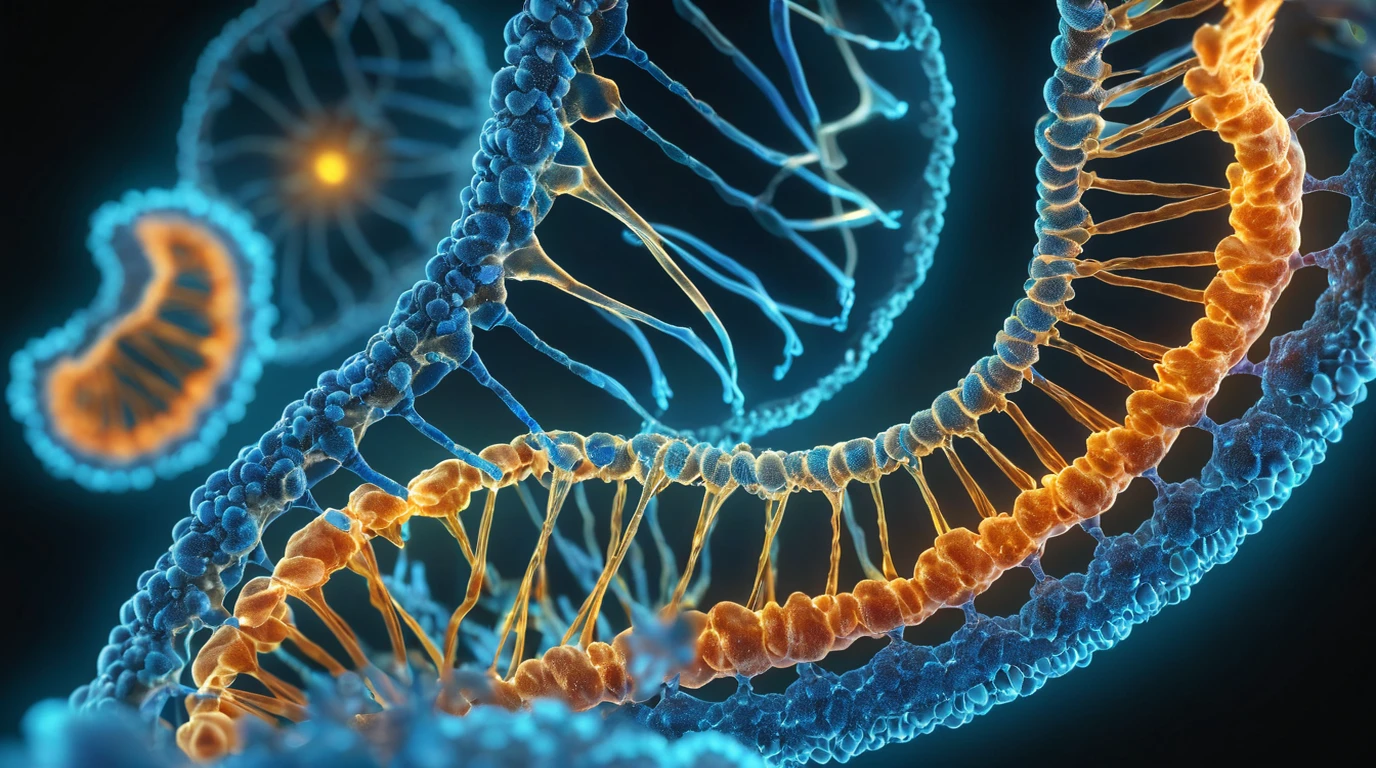
Inside each cell’s nucleus, our genetic instructions are tightly coiled into chromosome structures. At the tips of these chromosomes sit specialized structures resembling the protective plastic tips on shoelace aglets [3].

These terminal safeguards are called telomeres. Every time a cell divides, molecular copying enzymes cannot reach the extreme edge of the DNA strand, leaving the telomere slightly shorter with each cycle [3].
Pioneering work by Nobel laureate Elizabeth Blackburn and colleagues revealed that when telomeres drop below a critical length, the cell loses its ability to divide safely [3]. This boundary triggers an internal alarm, compelling the cell to either dismantle itself cleanly or enter a dormant state.
Cells That Refuse to Retire: The “Zombie” Senescent State
Under healthy conditions, a cell with severe DNA damage or exhausted telomeres initiates programmed self-destruction without disturbing its neighbors. However, certain damaged cells neither replicate nor expire [4].

Commonly called “zombie cells” and scientifically termed senescent cells, these entities linger in our tissues [4, 5]. Much like an obsolete machine in a workshop that produces no output yet continuously exhausts noise and exhaust, they release harmful inflammatory molecules into surrounding tissues.
Research led by Dr. James Kirkland at the Mayo Clinic demonstrated that the accumulation of senescent cells is a primary driver of tissue stiffening, joint degeneration, and age-related decline [5]. Like a spoiled fruit accelerating rot across a basket, lingering zombie cells push neighboring healthy cells toward premature exhaustion.
Power Stations Slowing Down: Why Mitochondria Lose Vigor
The oxygen we breathe and the food we digest converge inside micro-organelles called mitochondria. These structures act as continuous biological power plants [2, 6].
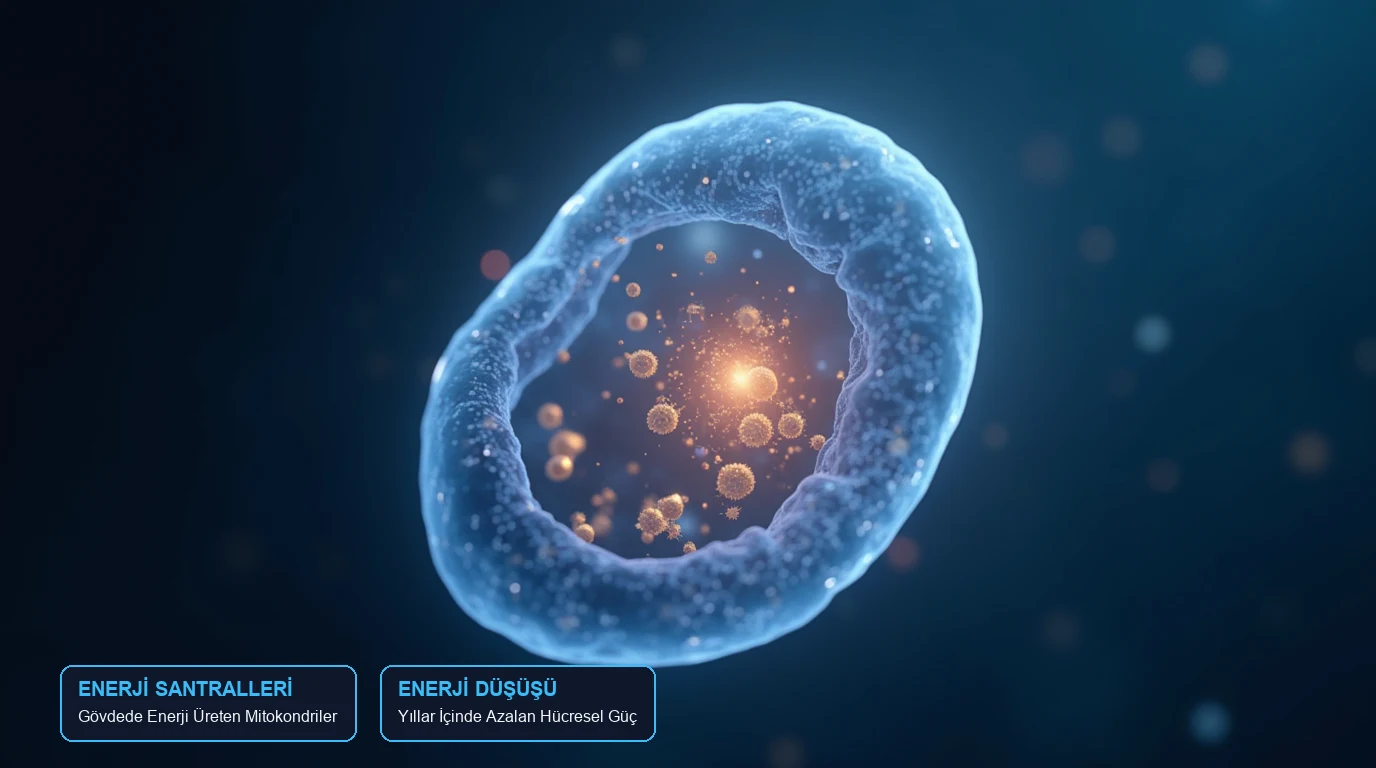
Over decades, the delicate inner cristae membranes of mitochondria suffer oxidative stress from metabolic byproducts [2]. Just like an engine running without scheduled maintenance emits thicker smoke and loses torque, aging mitochondria produce less usable energy while releasing more oxidative waste into the cell.
When cellular energy dips, brain neurons slow down, nighttime organ detoxification falters, and immune defenses respond more sluggishly. This systemic slowdown directly impairs mental focus and cognitive resilience, leaving us feeling drained even after ordinary daily tasks.
Young vs. Senescent Cells: Key Biological Differences
| Characteristic | Youthful & Resilient Cell | Senescent (Zombie) Cell |
|---|---|---|
| Replication Capacity | Readily divides to regenerate tissue upon signal | Permanently arrested replication |
| Energy Generation | High-efficiency clean ATP production | Low energy output with elevated metabolic leak |
| Tissue Microenvironment | Cooperates and safeguards adjacent cells | Emits pro-inflammatory secretions (SASP) |
| Self-Cleaning Ability | Recycles internal debris through active autophagy | Autophagic recycling is stalled or dysfunctional |
4 Evidence-Based Actions to Support Cellular Youth
While biological time cannot be halted, our daily choices exert powerful influence over internal repair and cellular cleansing mechanisms [1, 5].


- Activate Autophagy with Intermittent Fasting: A 14 to 16-hour overnight digestive pause stimulates cellular housekeeping machinery, recycling worn organelles and curbing senescent burden [2].
- Commit to 150 Minutes of Brisk Walking Weekly: Regular aerobic exercise prompts muscle cells to build fresh mitochondria, improving oxygen utilization and cardiovascular stamina [6].
- Consume Foods Rich in Quercetin and Fisetin: Red apple peels, red onions, capers, fresh strawberries, and green tea supply bioflavonoids studied for their natural senolytic properties [5].
- Protect Slow-Wave Sleep and Nocturnal Melatonin: Cellular DNA repair accelerates during deep restorative sleep; removing screens before bed ensures mitochondria recharge overnight.
How Reliable Is the Science?
| Finding / Intervention | Confidence Level |
|---|---|
| Telomere shortening limits total human cellular replication capacity | 🟢 Robust |
| Senescent cell accumulation drives chronic low-grade tissue inflammation | 🟢 Robust |
| Regular aerobic exercise stimulates mitochondrial biogenesis | 🟢 Robust |
| Intermittent fasting protocols enhance autophagic recycling in humans | 🟡 Emerging |
| A single supplement pill can permanently reverse biological age | 🔴 Inadequate |
💡 What Do These Confidence Levels Mean?
- 🟢 Robust: Backed by multiple independent human clinical trials and broad scientific consensus.
- 🟡 Emerging: Supported by smaller clinical cohorts, mechanistic biomarkers, or promising pilot studies.
- 🔴 Inadequate: Lacking controlled clinical verification, commercially exaggerated, or observed only in lab dishes.
Frequently Asked Questions
Can we completely stop cellular aging?
No. Biological aging is an intrinsic characteristic of complex life. However, evidence demonstrates that lifestyle factors can slow the rate of cellular damage accumulation, preserve mitochondrial function, and extend active healthspan.
How does the body naturally remove zombie cells?
A youthful immune system continuously identifies and removes senescent cells. As we age, immune surveillance declines. Regular physical exercise, 14-16 hour fasting windows (autophagy), and polyphenol-rich foods support this natural housekeeping.
Can telomere length be measured with a routine blood test?
Yes. Specialized clinical genetics laboratories can evaluate leukocyte telomere length. While informative as a broad biological age marker, it cannot predict an individual’s exact lifespan.
What is the most effective habit for mitochondrial health?
Clinical research consistently demonstrates that regular physical exercise—combining brisk walking, light jogging, and resistance training—is the single most potent stimulus for building and refreshing cellular mitochondria.
References
- López-Otín C, Blasco MA, Partridge L, Serrano M, Kroemer G. (2023). Hallmarks of aging: An expanding universe. Cell, 186(2):243-278. DOI: 10.1016/j.cell.2022.11.001 PMID: 36599349
- Sun N, Youle RJ, Finkel T. (2020). The mitochondrial basis of aging. Molecular Cell, 61(5):654-666. DOI: 10.1016/j.molcel.2016.01.028
- Blackburn EH, Epel ES, Lin J. (2015). Human telomere biology: A contributory and interactive factor in aging, disease risks, and protection. Science, 350(6265):1193-1198. DOI: 10.1126/science.aab3389 PMID: 26635034
- van Deursen JM. (2014). The role of senescent cells in ageing. Nature Reviews Molecular Cell Biology, 15(2):99-110. DOI: 10.1038/nrm3708 PMID: 24296417
- Kirkland JL, Tchkonia T. (2020). Senolytic drugs: from discovery to translation. Journal of Internal Medicine, 288(5):518-536. DOI: 10.1111/joim.13141 PMID: 32686865
- Sanford M. (2026). The Darker Side of Growing Old: Biological realities of cellular decline and systemic maintenance. ILLUMINATION Life Sciences, Medium Special Edition.
For informational purposes only; consult a physician for medical diagnosis or treatment.