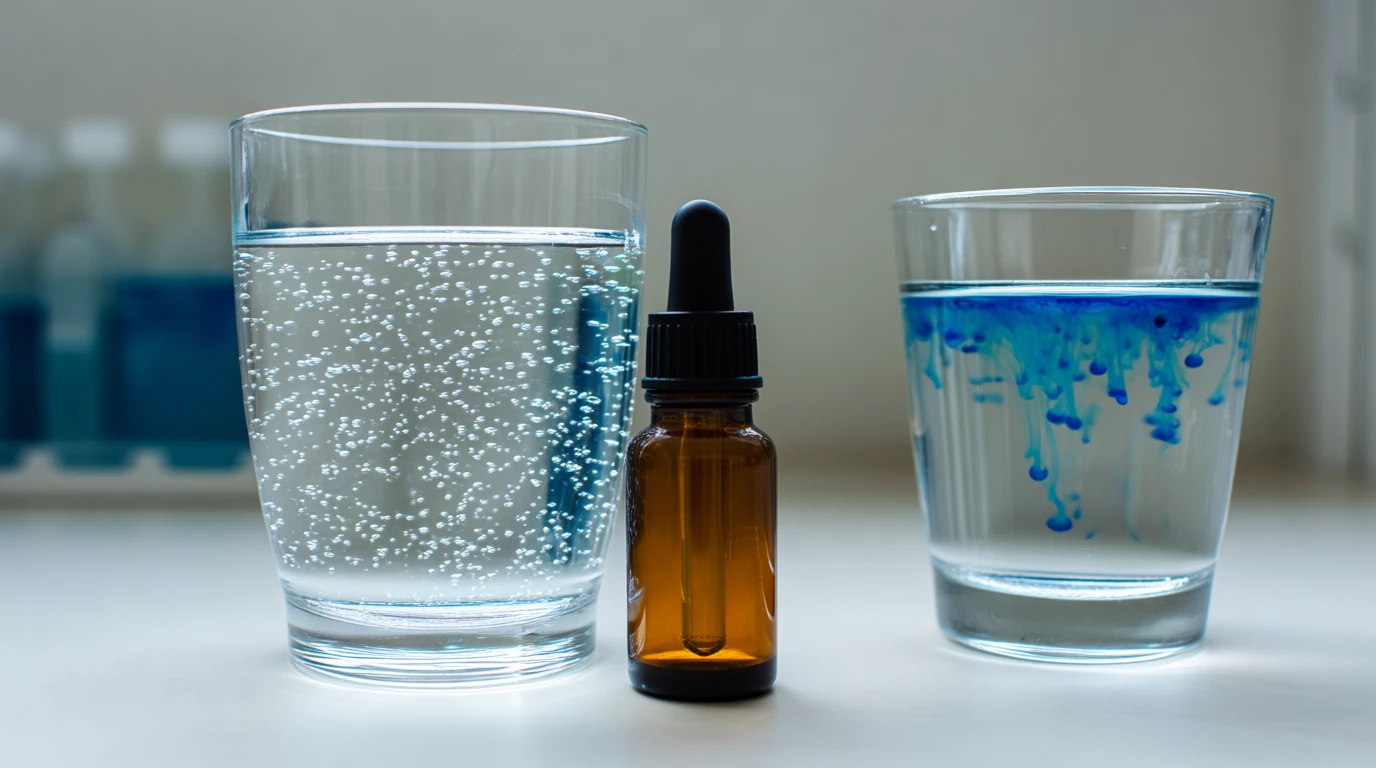
- → Hydrogen Water Is Safe but Longevity Evidence Is Preliminary: Molecular hydrogen selectively scavenges cytotoxic hydroxyl radicals in vitro, but human trials remain constrained to small cohorts and short durations (Ohsawa et al., 2007; Johnsen et al., 2023).
- → Methylene Blue Is a Pharmaceutical Drug, Not a Harmless Supplement: While low concentrations support mitochondrial electron transport in vitro, it functions as a potent MAO-A inhibitor that triggers lethal serotonin syndrome when paired with antidepressants (Atamna et al., 2008; Ramsay et al., 2007).
- → Unsupervised Chelation Poses Severe Cardiovascular Risks: Synthetic chelators strip essential minerals like calcium, magnesium, and zinc; unindicated disodium EDTA administration can cause fatal hypocalcemic cardiac arrest (Brown et al., 2006; Kosnett, 2010).
- → True Rejuvenation Is Grounded in Fundamentals: Daily brisk walking, quality circadian sleep, fiber-rich nutrition, and minimizing environmental exposures protect mitochondrial biogenesis without pharmacological toxicity.
Educational Notice: This guide is prepared strictly for scientific literacy and education; it does not replace individualized clinical diagnosis or medical care. Patients taking antidepressants, individuals with G6PD deficiency, pregnant women, and patients with cardiac or renal disease face life-threatening hazards from unsupervised methylene blue or chelation regimens.
Quick Summary
- Hydrogen-Rich Water Is Benign but Not Miraculous: Inhaled or dissolved hydrogen gas neutralizes aggressive reactive oxygen species, but rapidly off-gasses from open cups and lacks long-term human longevity validation [1, 3].
- Methylene Blue Is a Potent Pharmaceutical Compound: It supports mitochondrial bioenergetics only within a narrow, micro-molar hormetic range; combining it with SSRI medications can trigger fatal serotonin toxicity [4, 6].
- Unindicated Heavy Metal Cleanses Can Stop the Heart: Outside proven clinical poisoning, synthetic chelators strip serum calcium and potassium, risking lethal cardiac arrhythmias and renal failure [8, 9].
- Real Detoxification Occurs in the Kitchen and on the Trail: Consuming low-mercury fish, sulfur-rich brassica vegetables, and engaging in regular brisk walking safely optimizes your endogenous detox pathways [10].
Does This Sound Familiar?
You unlock your phone in the morning to see a wellness influencer sticking out a vibrant blue-stained tongue. Waving a dropper bottle, they claim this synthetic blue dye dissolves brain fog, enhances executive focus, and rewires mitochondrial bioenergetics.
In the next clip, you see an illuminated luxury water tumbler costing hundreds of dollars. The gadget infuses water with swirling micro-bubbles of molecular hydrogen, promising to halt epigenetic cellular senescence.
Elsewhere, an alternative wellness workshop promotes heavy metal chelation packages, insisting everyone harbors insidious levels of lead and mercury requiring intravenous flushes.
The fear of accelerated aging and chronic mental fatigue makes people vulnerable to these sensational promises. Yet in cellular biology, the promise of instant rejuvenation through a dropper often obscures serious toxicological risks [3, 6, 9].
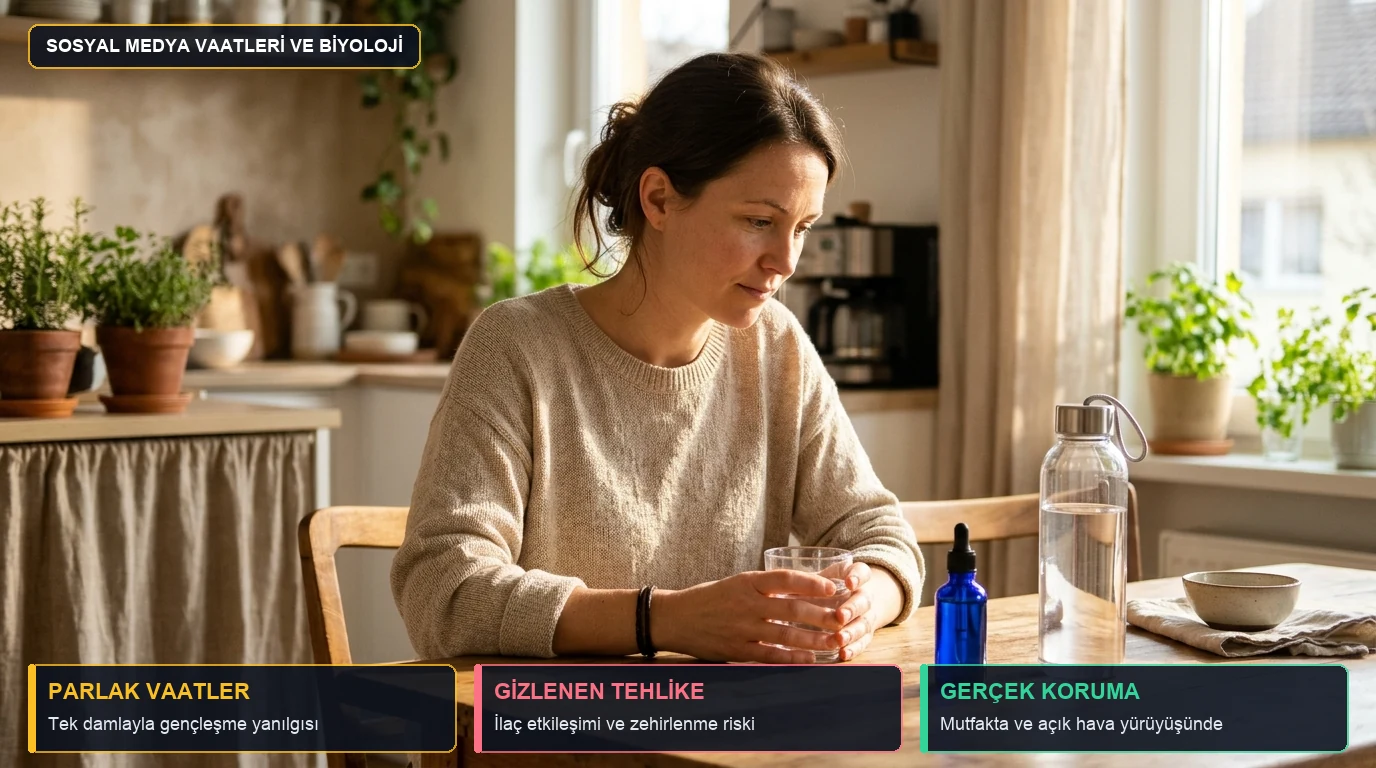
1. Molecular Hydrogen (H2 Water): Targeted Antioxidant or Volatile Gas?
When mitochondria convert nutrients into cellular ATP, metabolic byproducts form naturally. While physiological reactive oxygen species (ROS) act as critical cellular messengers, the hydroxyl radical (•OH) indiscriminately oxidizes lipid membranes, proteins, and nuclear DNA [1].
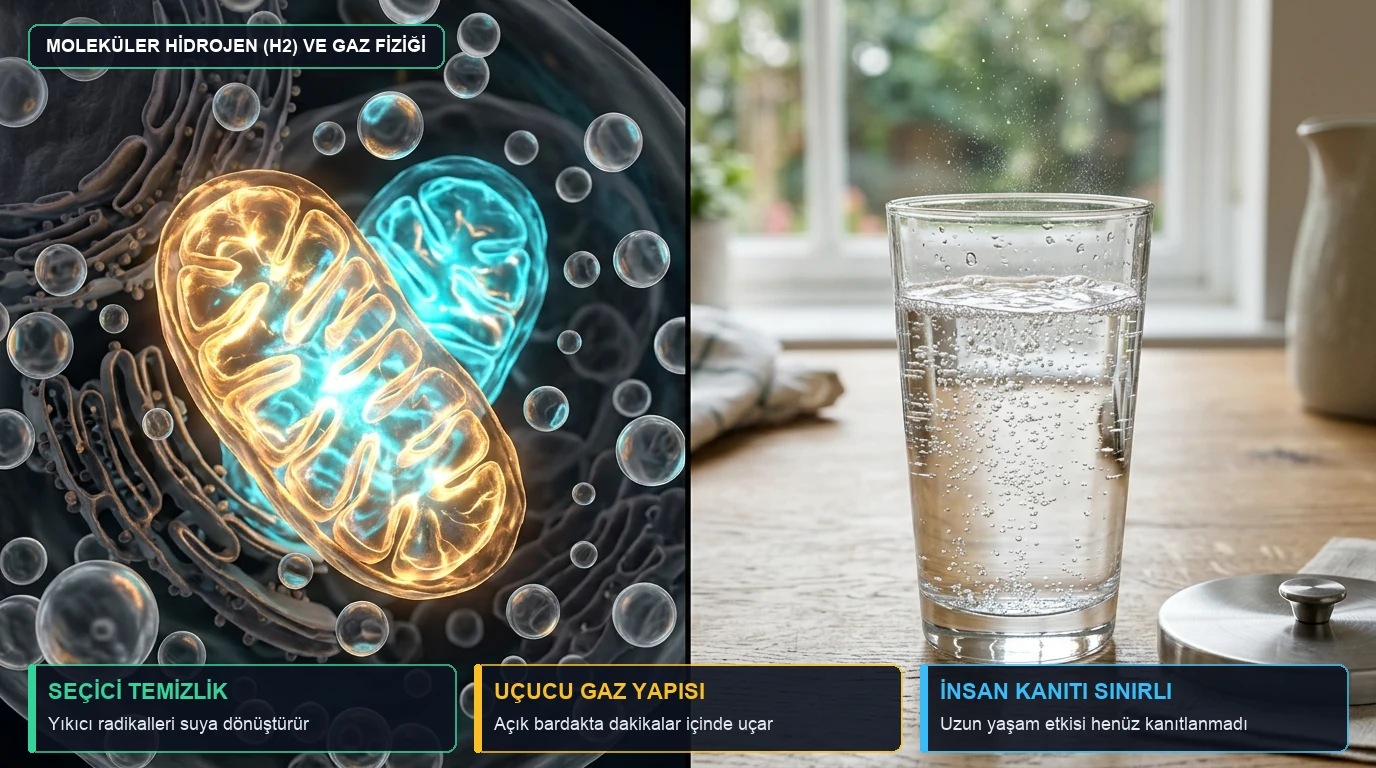
In a landmark 2007 paper published in Nature Medicine, Japanese researcher Ikuroh Ohsawa and colleagues sparked global scientific interest [1]. They proved that molecular hydrogen (H2)—the smallest known diatomic gas molecule—selectively scavenges cytotoxic hydroxyl radicals without blunting beneficial cellular signaling cascades [1].
Traditional high-dose antioxidant megadoses (such as synthetic vitamin C or E) can inadvertently blunt endogenous physiological adaptations. Hydrogen gas, by targeting only virulent oxidants, presented an elegant theoretical model [1, 3].
In a 24-week randomized controlled human trial, Tyler LeBaron and colleagues observed that high-concentration hydrogen-rich water modestly improved serum lipid profiles and inflammatory markers in metabolic syndrome patients [2].
However, as emphasized by Hanne Johnsen’s 2023 systematic review, existing human clinical trials remain limited to small cohort sizes and brief durations [3]. As of today, there is no long-term empirical evidence proving that drinking hydrogen water extends human lifespan [3].
Furthermore, physical chemistry presents a practical limitation: hydrogen is the lightest, least soluble gas in the universe [3]. In plastic bottles, hydrogen gas diffuses straight through the container walls on store shelves. When generated in open tumblers, the dissolved gas rapidly off-gasses into the air within minutes [3].
In short, hydrogen water is safe and non-toxic, but paying steep sums for volatile gas that evaporates from your cup provides minimal clinical returns [2, 3].
2. Methylene Blue: Mitochondrial Fuel or Toxic Drug Interaction?
Originally synthesized in 1876 as a textile dye, methylene blue has a storied clinical history ranging from malaria treatment to emergency methemoglobinemia management. Recently, it has been repurposed as a viral “mitochondrial nootropic” [4, 5].
The rationale stems from cell culture research by Hani Atamna and Bruce Ames (2008), which showed that ultra-low nanomolar concentrations of methylene blue can delay cellular senescence and enhance mitochondrial respiration [4]. Work by Juan Carlos Rojas and Francisco Gonzalez-Lima (2012) confirmed that at low doses, methylene blue acts as an alternative electron cycler, accepting electrons from Complex I and transferring them to Cytochrome c, bypassing metabolic blocks [5].
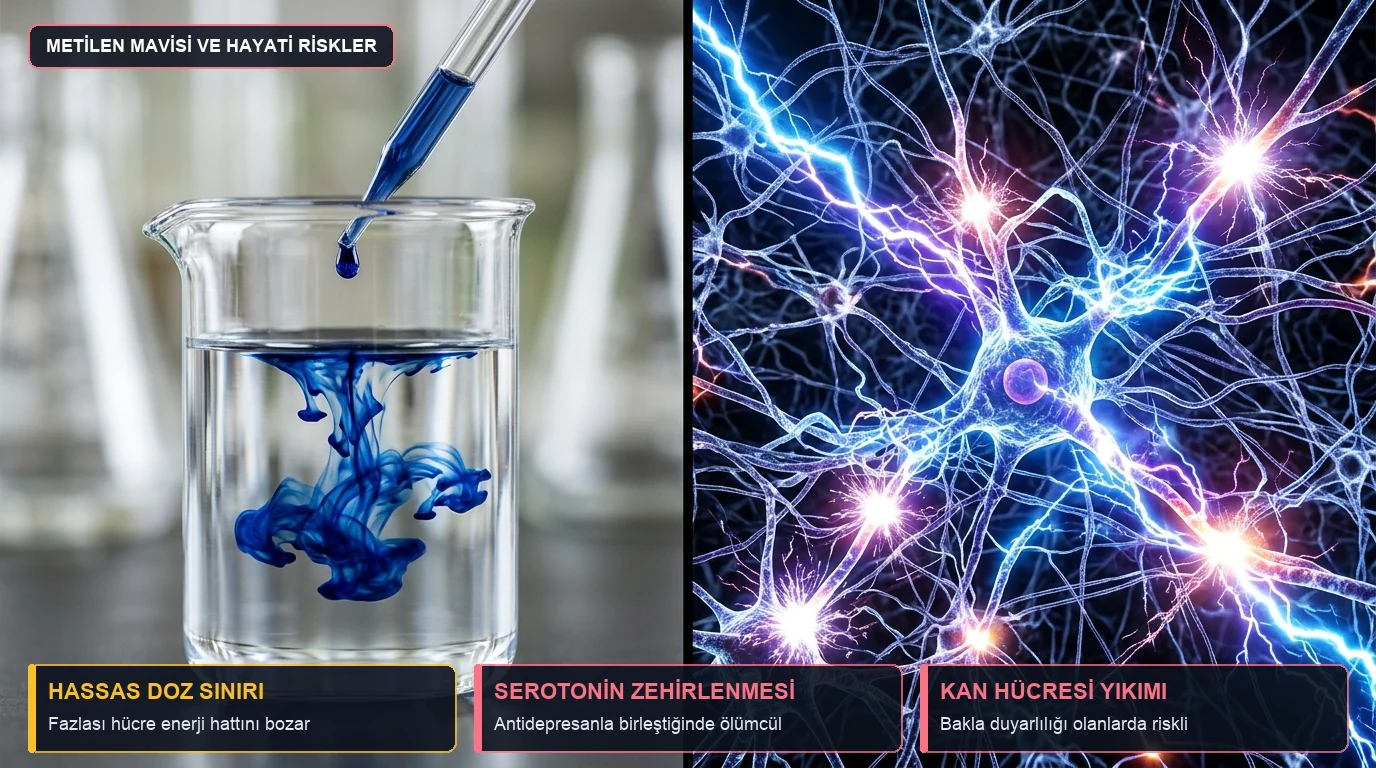
However, the overriding pharmacological rule is hormesis: at slightly elevated micromolar doses, methylene blue reverses its behavior, stealing electrons and driving cellular oxidative damage [5]. For an untrained consumer measuring drops from an unstandardized dropper bottle, maintaining this narrow hormetic window is virtually impossible.
Fatal Risk 1: Serotonin Syndrome
Research by Rona Ramsay and Ken Gillman (2007) confirmed that methylene blue is a potent, irreversible inhibitor of Monoamine Oxidase A (MAO-A)—the primary enzyme responsible for catabolizing serotonin in the central nervous system [6].
Millions of people take Selective Serotonin Reuptake Inhibitors (SSRIs) or SNRIs for depression or anxiety. If an individual taking an antidepressant consumes methylene blue drops, central serotonin clearance collapses [6]. This can trigger severe serotonin syndrome—a medical emergency marked by hyperthermia, muscular clonus, delirium, seizures, and cardiovascular collapse [6].
Fatal Risk 2: Hemolysis & Industrial Impurities
Jack Clifton and Jerrold Leikin (2003) underscored that in individuals with congenital Glucose-6-Phosphate Dehydrogenase (G6PD) deficiency, methylene blue induces acute intravascular hemolysis (destruction of red blood cells) [7].
Moreover, non-pharmaceutical products sold online as “industrial stains” or “aquarium clarifiers” are not USP-grade; they frequently contain residual heavy metal contaminants like arsenic, lead, and cadmium.
3. Why “Heavy Metal Detox” & Unverified Chelation Pose Grave Dangers
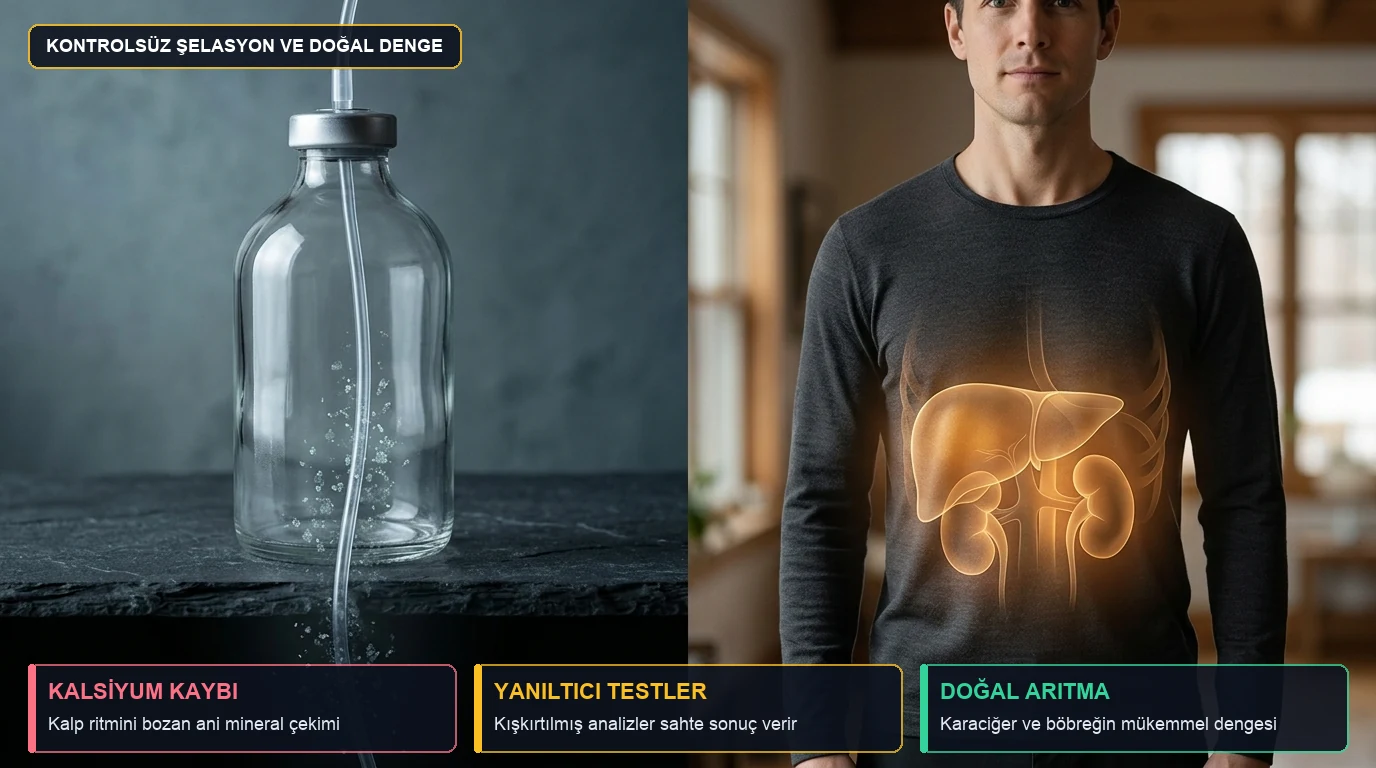
In legitimate toxicology, chelation therapy is reserved strictly for clinically verified, life-threatening acute lead, mercury, or arsenic poisoning administered under hospital telemetry [9]. Chelators are non-selective biochemical ligands; they cannot differentiate toxic heavy metals from vital trace elements [9].
Medical toxicologist Michael Kosnett (2010) documented that when administered without objective toxic burden, synthetic chelators rapidly strip essential minerals like zinc, copper, magnesium, and calcium [9].
An official CDC investigation by Mary Jean Brown and colleagues (2006) recorded fatal outcomes where unindicated disodium EDTA infusions caused profound hypocalcemia, directly triggering fatal cardiac arrest in pediatric and adult patients [8].
In the landmark TACT trial (JAMA 2013), Gervasio Lamas and colleagues evaluated 1,708 post-myocardial infarction patients over 40 weeks of EDTA chelation [10]. The modest outcomes failed to support routine chelation as an anti-aging cardiovascular therapy in healthy adults [10].
| Compound / Practice | Scientific Reality & Clinical Boundaries |
|---|---|
| Hydrogen Water | Exhibits selective antioxidant potential and safety; however, gas off-gasses rapidly and human longevity proof is currently absent [1, 2, 3]. |
| Methylene Blue | Hormetic electron cycler at trace doses; overdoses induce pro-oxidant harm. Co-ingestion with antidepressants risks fatal serotonin toxicity [4, 6, 7]. |
| Unsupervised Chelation / Detox | Indicated strictly in acute hospital poisoning; in healthy individuals, it strips serum calcium and zinc, risking fatal arrhythmias and renal failure [8, 9, 10]. |
4. How to Safely Support Your Endogenous Detoxification Pathways
The human body possesses a continuous, highly sophisticated detoxification network [9]. The liver neutralizes xenobiotics through Phase I and Phase II enzymology, conjugating metabolites into bile, while the kidneys excrete water-soluble wastes in urine.
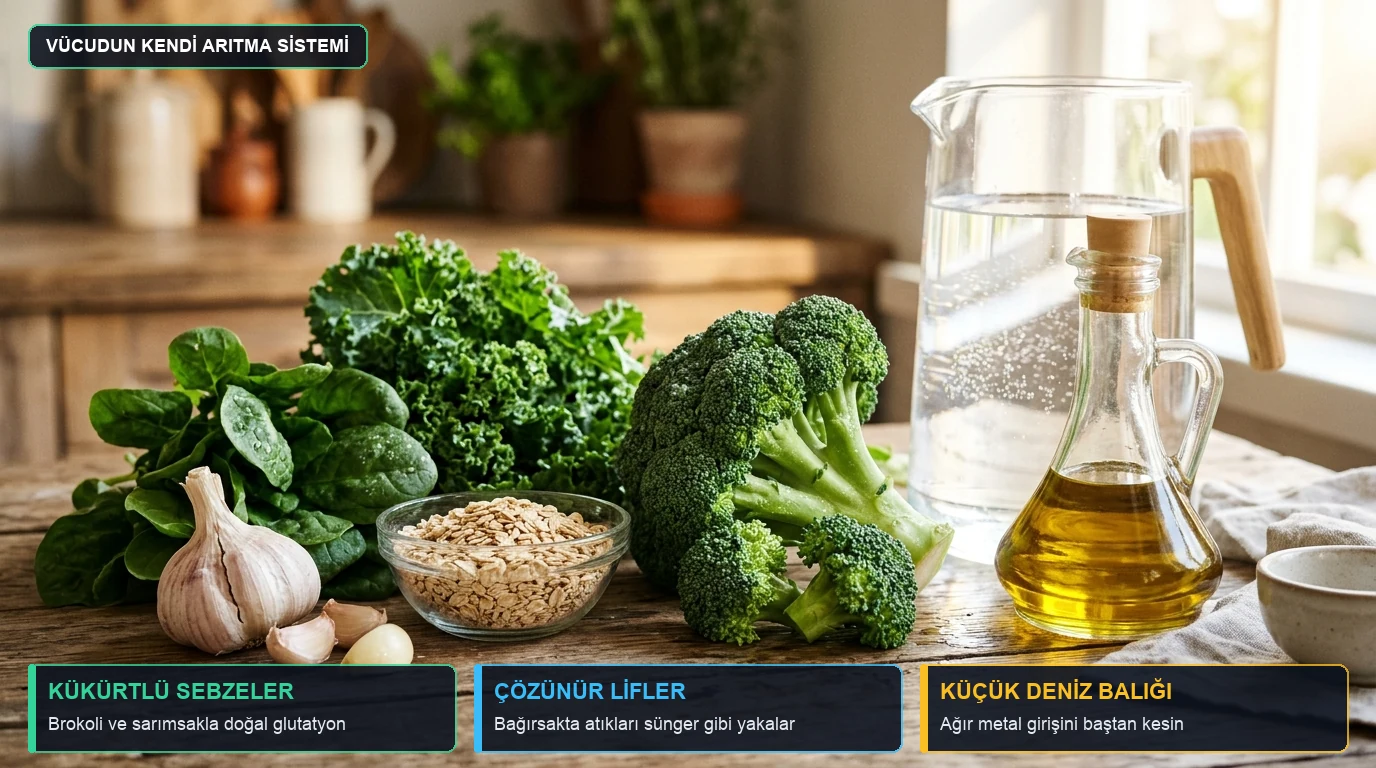
Endogenous glutathione is our primary cytoprotective antioxidant. Synthesizing glutathione does not require industrial dyes; it requires dietary sulfur and amino acid precursors found in whole foods: broccoli, cauliflower, garlic, and onions.
Soluble dietary fiber from oats, legumes, and flaxseed acts as an intraluminal sponge, sequestering bile-bound toxins and preventing their enterohepatic reabsorption.
Furthermore, the most effective strategy is preventing exposure at the source [9]: choosing smaller fish (sardines, wild salmon) over apex predators (swordfish, bigeye tuna) significantly curtails mercury intake. Using stainless steel or glass over degraded ceramics eliminates dietary lead leaching [9].
5. Practical Protocols: 4 Safe Longevity Habits
1. Avoid Unsupervised Bioactive Dyes and Chelators: Eliminate non-prescribed methylene blue drops and mail-order chelation capsules. If you take antidepressants, remember that combining them with methylene blue is potentially lethal [6, 8, 9].
2. Cut Off Environmental Heavy Metal Ingress: Prevent toxic accumulation at the source. Choose low-trophic seafood, store acidic foods in inert glass, and avoid unregulated herbal remedies [9].
3. Stimulate Mitochondrial Biogenesis with Brisk Walking: The most robust biological tool for expanding mitochondrial capacity is regular zone 2 aerobic exercise. 35–45 minutes of brisk walking 4 days a week yields proven longevity benefits no chemical dropper can replicate.
4. Fuel Hepatic Conjugation with Cruciferous Nutrition: Hydrate adequately and incorporate sulfur-rich brassica vegetables and legumes daily to support natural glutathione synthesis and digestive clearance.

Evidence Confidence Ratings
| Clinical Finding | Evidence Confidence |
|---|---|
| Molecular hydrogen improves select metabolic biomarkers in small trials | 🟡 Emerging |
| Methylene blue interacts dangerously with antidepressants, risking serotonin toxicity | 🟢 Robust |
| Routine chelation therapy in healthy individuals promotes longevity or anti-aging | 🔴 Insufficient |
Frequently Asked Questions
Is an expensive molecular hydrogen water bottle worth the investment?
No; substantial financial investment is not warranted based on current clinical literature. Human evidence demonstrating that hydrogen water extends longevity remains preliminary, and dissolved gas rapidly escapes open cups within minutes [2, 3].
I take an antidepressant; will a single micro-dose of methylene blue harm me?
Yes; even small doses carry life-threatening risks. Methylene blue functions as a potent MAO-A inhibitor that blocks central serotonin breakdown [6]. Co-ingesting it with SSRIs can trigger fatal serotonin syndrome requiring emergency intensive care [6].
Can provoked urine or hair tests reliably diagnose heavy metal toxicity?
No; commercial provoked urine tests and hair analysis frequently yield false positives in healthy individuals. Toxicologists emphasize that administering a chelator before testing forces normal background metals into the urine, artificially mimicking clinical poisoning [9].
Scientific References
- Ohsawa I, Ishikawa M, Takahashi K, et al. (2007). Hydrogen acts as a therapeutic antioxidant by selectively reducing cytotoxic oxygen radicals. Nature Medicine, 13(6), 688–694. DOI: 10.1038/nm1577 · PMID: 17486089
- LeBaron TW, Singh RB, Fatima G, et al. (2020). The Effects of 24-Week, High-Concentration Hydrogen-Rich Water on Body Composition, Blood Lipid Profiles and Inflammation Biomarkers in Men and Women with Metabolic Syndrome: A Randomized Controlled Trial. Diabetes, Metabolic Syndrome and Obesity, 13, 889–896. DOI: 10.2147/DMSO.S240122 · PMID: 32273740
- Johnsen HM, Hiorth M, Klaveness J. (2023). Molecular Hydrogen Therapy—A Review on Clinical Studies and Outcomes. Molecules, 28(23), 7785. DOI: 10.3390/molecules28237785 · PMID: 38067515
- Atamna H, Nguyen A, Schultz C, et al. (2008). Methylene blue delays cellular senescence and enhances key mitochondrial biochemical pathways. The FASEB Journal, 22(3), 703–712. DOI: 10.1096/fj.07-9610com · PMID: 17928358
- Rojas JC, Bruchey AK, Gonzalez-Lima F. (2012). Neurometabolic mechanisms for memory enhancement and neuroprotection of methylene blue. Progress in Neurobiology, 96(1), 32–45. DOI: 10.1016/j.pneurobio.2011.10.007 · PMID: 22067440
- Ramsay RR, Dunford C, Gillman PK. (2007). Methylene blue and serotonin toxicity: inhibition of monoamine oxidase A (MAO A) confirms a theoretical prediction. British Journal of Pharmacology, 152(6), 946–951. DOI: 10.1038/sj.bjp.0707430 · PMID: 17721552
- Clifton J, Leikin JB. (2003). Methylene blue. American Journal of Therapeutics, 10(4), 289–291. DOI: 10.1097/00045391-200307000-00009 · PMID: 12845393
- Brown MJ, Willis T, Omalu B, Leiker R. (2006). Deaths resulting from hypocalcemia after administration of edetate disodium: 2003–2005. MMWR Morbidity and Mortality Weekly Report, 55(8), 204–206. PMID: 16511441
- Kosnett MJ. (2010). Chelation for heavy metals (arsenic, lead, and mercury): protective or perilous? Clinical Pharmacology & Therapeutics, 88(3), 412–415. DOI: 10.1038/clpt.2010.132 · PMID: 20664538
- Lamas GA, Goertz C, Boineau R, et al. (2013). Effect of disodium EDTA chelation regimen on cardiovascular events in patients with previous myocardial infarction: the TACT randomized trial. JAMA, 309(12), 1241–1250. DOI: 10.1001/jama.2013.2107 · PMID: 23532240
For informational purposes only; consult a physician for medical diagnosis or treatment.