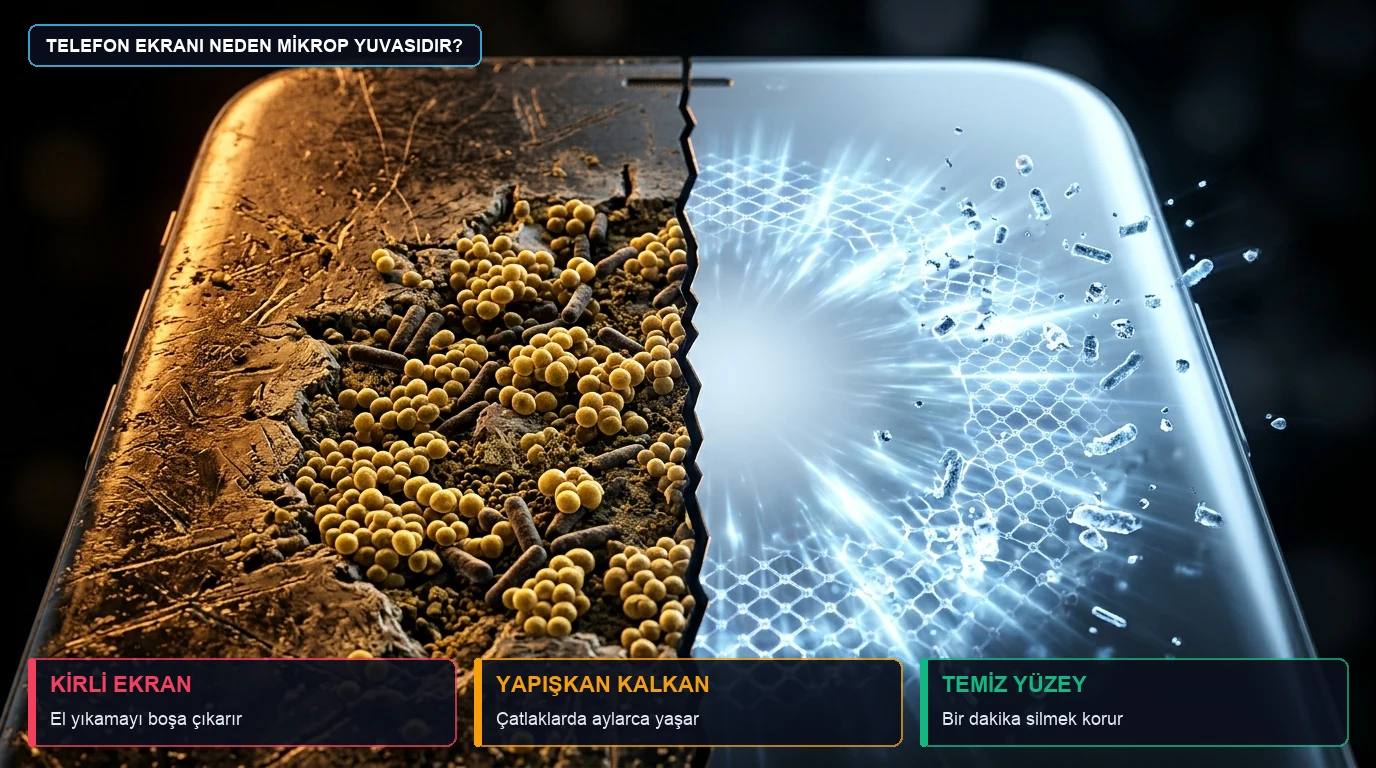
- → 9 Out of 10 Phones Harbor Pathogens: 94.5% of mobile phones used by hospital personnel grew bacterial colonies, with a significant fraction testing positive for multidrug-resistant MRSA (Ulger et al., 2009).
- → Months of Persistence on Inanimate Glass: On smooth dry glass and plastic, resistant staphylococci survive up to 7 months, and enteric pathogens survive up to 16 months (Kramer et al., 2006).
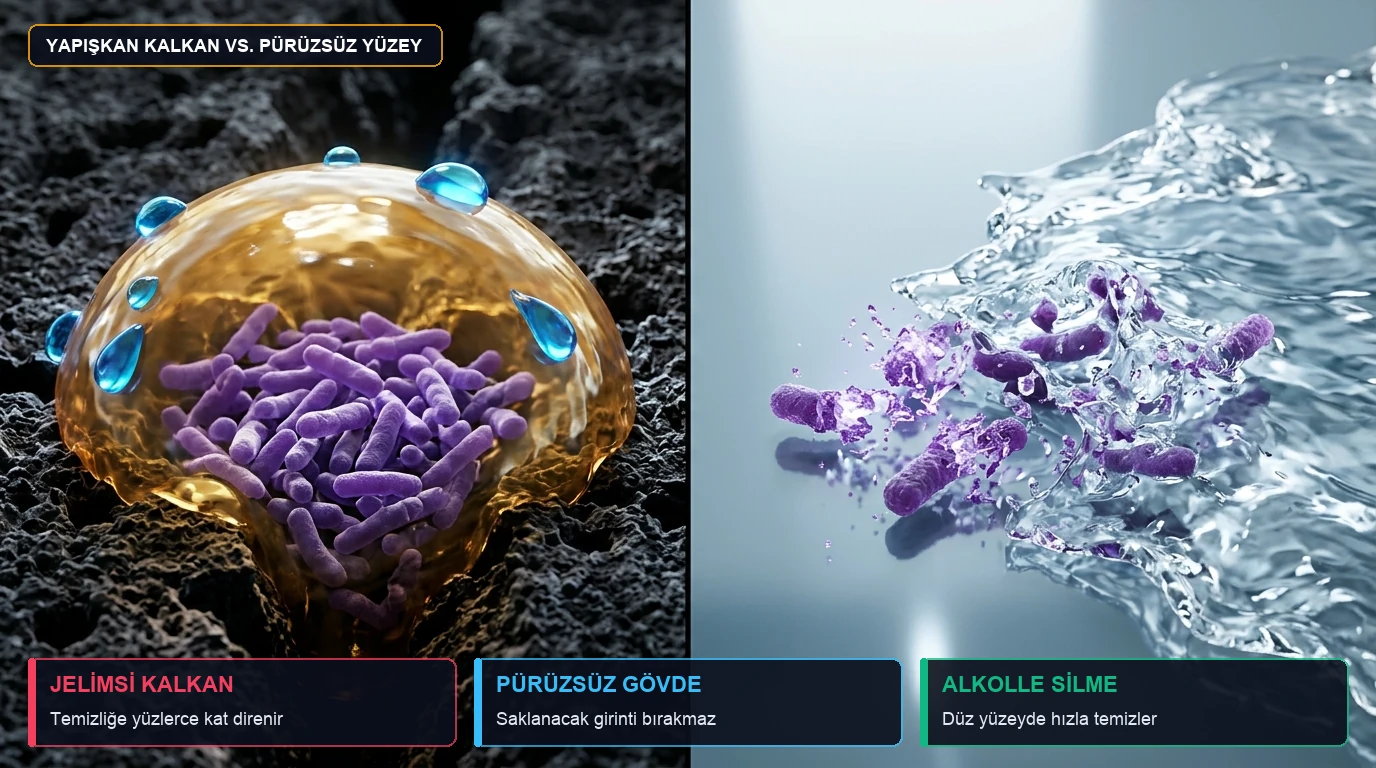
- → Cracks Foster a Gelatinous Biofilm Fortress: Fractured screen protectors and charging ports shelter bacteria within an extracellular polymeric substance (EPS), imparting 100- to 1,000-fold biocide tolerance (Ceri et al., 1999; Donlan, 2002).
- → Silver Ions Assist, 1-Minute Contact Cleans: Silver-ion-infused cases suppress bacterial loads by 99% over 24 hours; everyday decontamination requires wiping with 70% alcohol and allowing 60 seconds of wet contact time (Feng et al., 2000; Kampf, 2020).
⚠️ Informational Notice: This article is for general educational purposes grounded in peer-reviewed microbiology and infection-control literature; it does not replace medical consultation. For clinical protocols in healthcare facilities, refer strictly to institutional Infection Prevention and Control (IPC) guidelines.
In Brief
- Touching an uncleaned smartphone immediately after washing your hands transfers colonized microbes straight back onto your clean fingertips within seconds [2, 3].
- Pathogenic bacteria survive on dry glass, plastic cases, and keyboards for weeks or even months [1].
- In fractured screen protectors and recessed charging ports, bacteria synthesize a gelatinous biofilm shield, displaying 100- to 1,000-fold resistance against standard rapid wipes [9, 10, 11].
- The evidence-based remedy is straightforward: replace cracked screen protectors, wipe devices with 70% isopropyl/ethyl alcohol wipes, allow 1 minute of wet contact time, and then wash hands [4, 13].
Does This Sound Familiar?
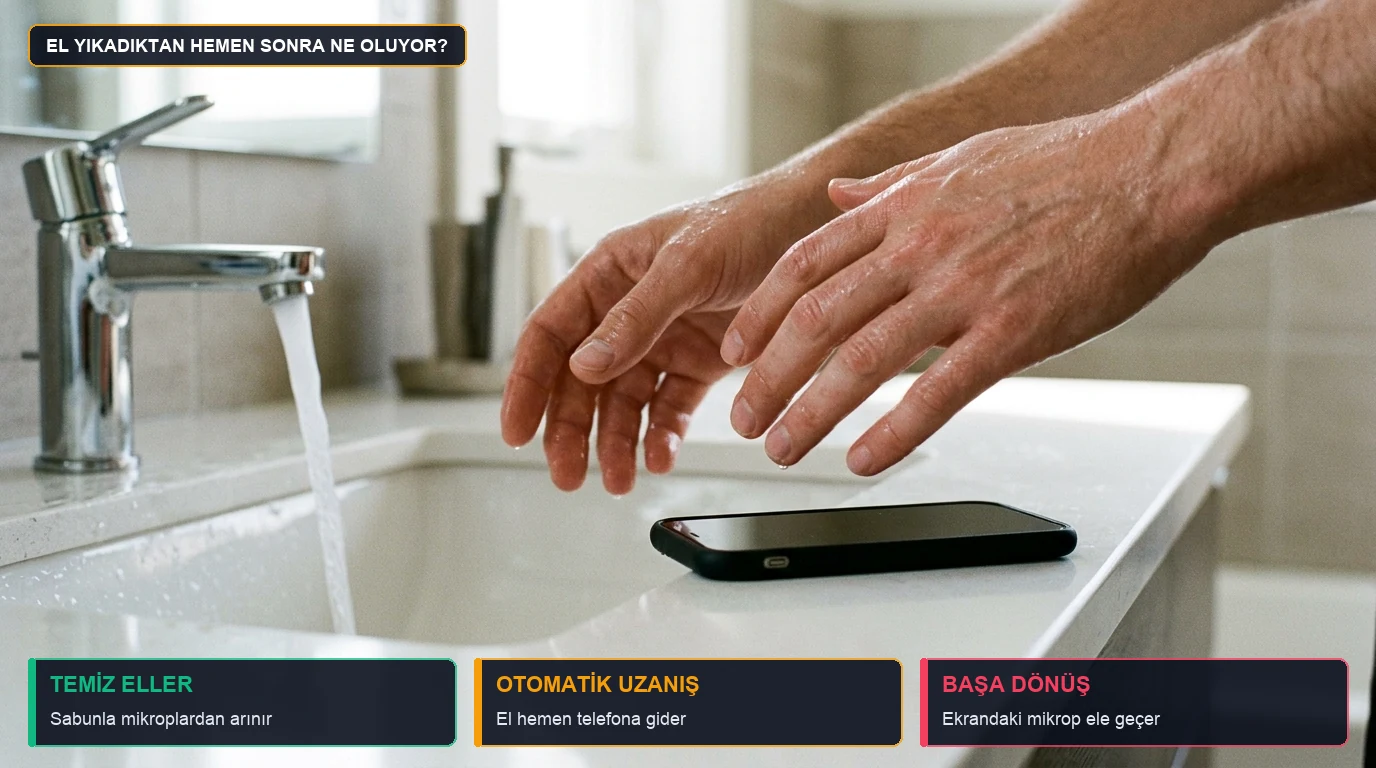
You arrive home after commuting or leave a public restroom. You scrupulously wash your hands with warm water and soap for twenty seconds, dry them on a clean towel, and then—barely 30 seconds later—reach for your smartphone resting on the table.
What just happened microbiologically? Every pathogen accumulated throughout the day from subway poles, office desks, and elevator buttons has immediately recolonized your fingertips [2, 3].
A comprehensive scoping review by Australian researchers analyzing 56 studies across 24 countries revealed that 96.4% of surveyed mobile phones harbored microbial contamination [3]. Epidemiologists characterized smartphones as biological “Trojan horses”, effortlessly circumventing clinical and domestic hand hygiene barriers [3].
This guide explores how bacteria persist for months on glass displays, why cracked screens become impervious to routine disinfection, and the correct sequence for decontamination.
1. How Long Do Microbes Survive on Smartphone Screens?
Many believe bacteria can only thrive in warm, wet environments and will promptly die on dry glass screens within hours. Rigorous microbial persistence data proves the exact opposite.
Months of Survival on Dry, Inanimate Surfaces
A landmark systematic review by German researcher Axel Kramer and colleagues compiled the survival longevity of clinically significant pathogens on inanimate dry surfaces [1]:
| Pathogen Class | Persistence on Dry Surfaces | Typical Vectors & Environments |
|---|---|---|
| Resistant Staphylococci (S. aureus including MRSA) | 7 days – 7 months | High resistance to desiccation on glass screens, plastic cases, and door handles [1]. |
| Acinetobacter species | 3 days – 5 months | Touchscreens, shared keyboards, and medical diagnostic consoles [1]. |
| Enterococci (including VRE) | 5 days – 4 months | Cross-transmitted effortlessly from polymers via tactile finger contact [1]. |
| Pseudomonas aeruginosa | 6 hours – 16 months | Rapid colonization in recessed lightning/USB ports and moisture-prone crevices [1]. |
| Coliforms (E. coli & Klebsiella) | 1.5 hours – 16 months | The primary bacterial group driving the hand-phone-mouth transmission loop [1]. |
9 Out of 10 Hospital Phones Tested Positive
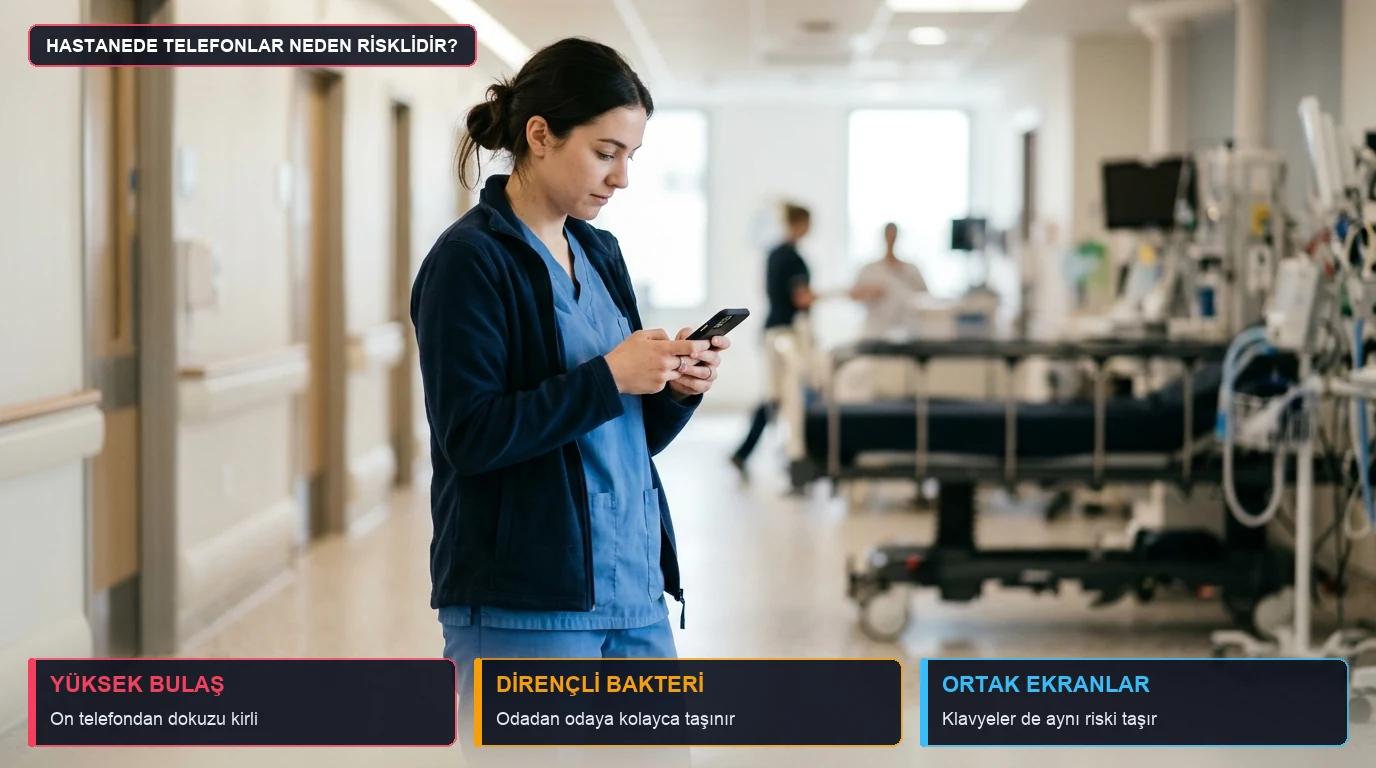
A clinical study led by Dr. F. Ülger at Ondokuz Mayıs University Faculty of Medicine screened the mobile phones and hands of 200 healthcare professionals across intensive care units and operating rooms [2]. The findings were staggering:
- 94.5% of mobile phones demonstrated active bacterial contamination [2].
- Among isolated Staphylococcus aureus strains, 52% were methicillin-resistant (MRSA) [2].
- In hospital keyboard evaluations conducted by William Rutala and colleagues in the United States, 100% of tested computer keyboards grew coagulase-negative staphylococci, and over one-third harbored pathogenic hospital-acquired strains [4].
Smartphones are stored in warm pockets and cradled in palms, maintaining an incubation temperature between 25 °C and 35 °C. The sebaceous oils, sweat, and exfoliated skin flakes continuously deposited by fingers provide an ideal nutrient matrix for bacterial persistence [2, 3].
2. Cracked Screens and the Gelatinous Biofilm Fortress
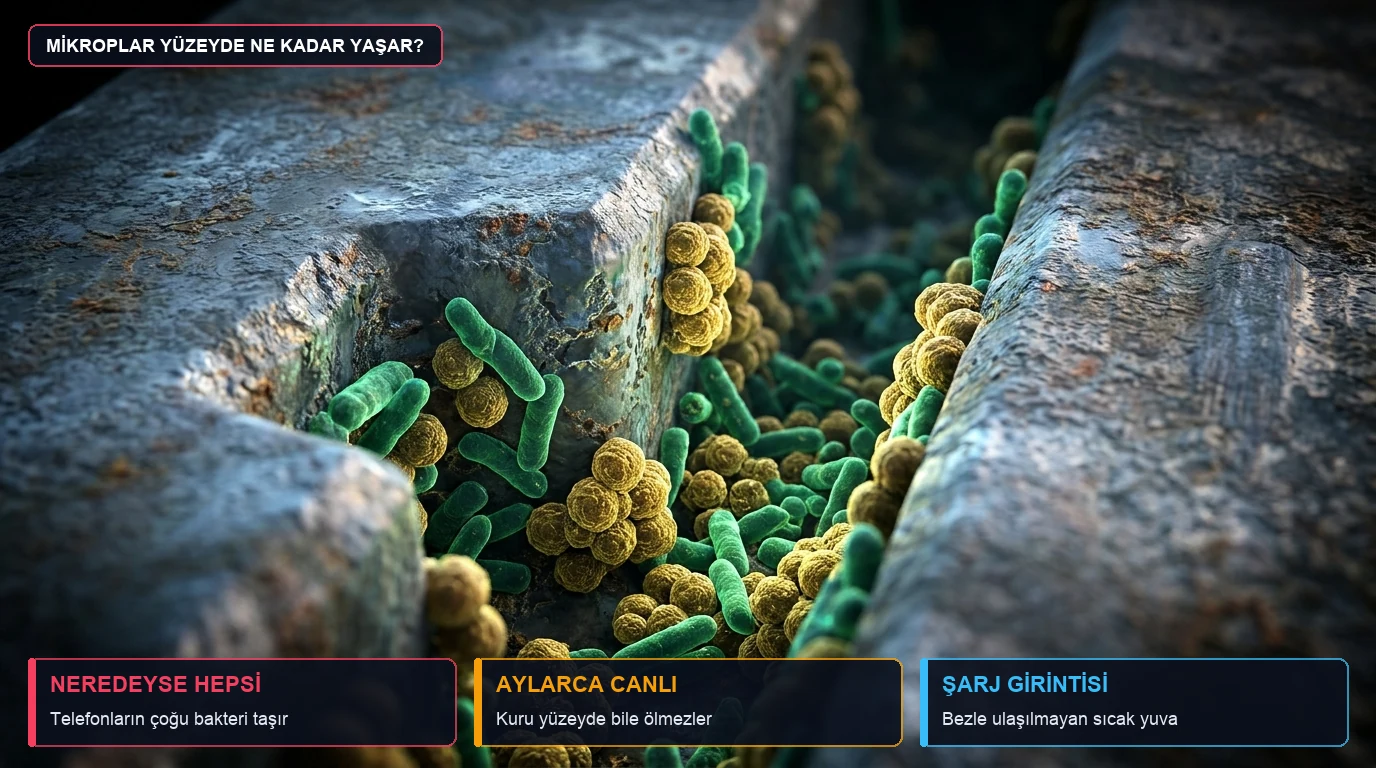
Why does a quick swipe with a dry sleeve or tissue fail to sanitize a touchscreen? Because on uneven surfaces, bacteria do not exist as isolated free-floating planktonic cells; they organize into structured communities.
Biofilm: A Matrix 1,000 Times More Resistant
Investigations by Rodney Donlan at the CDC clarify this protective architecture [9, 10]. Once pioneer bacteria adhere to a solid surface, they secrete an extracellular polymeric substance (EPS) matrix comprised of polysaccharides, extracellular DNA, and structural proteins. This gelatinous fortress is termed a biofilm [9, 10].
Consider a pan with baked-on grease: rinsing it under running water accomplishes nothing. Experiments by H. Ceri and colleagues using the Calgary Biofilm Device demonstrated that eradicating bacteria encased within an EPS biofilm requires biocide concentrations 100 to 1,000 times greater than those needed to kill free-floating organisms [11].
Fractured Tempered Glass and Recessed Ports
Mechanical friction during wiping easily clears smooth, planar glass. However, cracked tempered glass protectors, aged, microporous silicone cases, and deep open charging slots act as subterranean trenches [10, 12]. Microbes shelter inside these structural micro-fractures, completely shielded from superficial disinfectant passes [10].
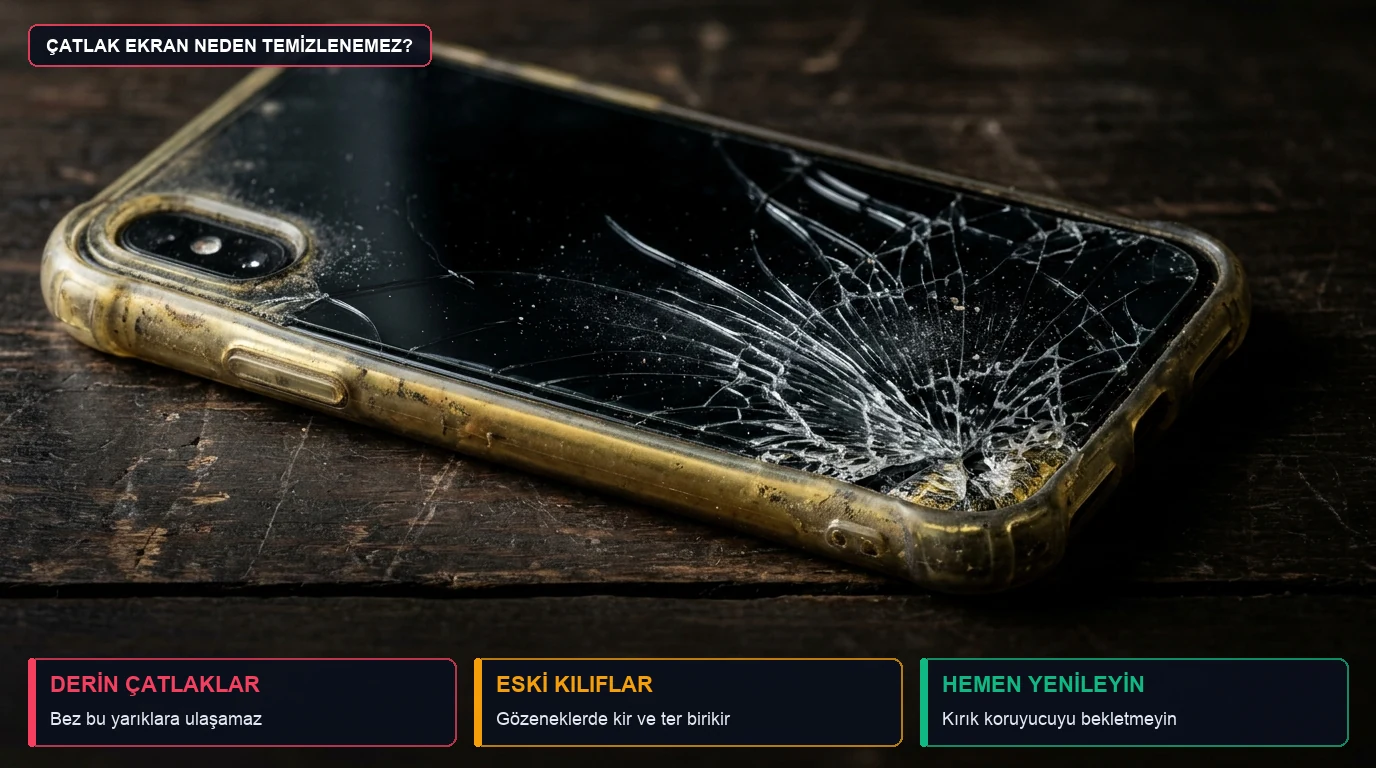
This explains why contemporary hospital-grade handhelds and rugged mobile devices are transitioning away from open port connectors toward contactless inductive wireless charging: eliminating exposed cavities creates an impermeable, unibody surface that can be aggressively disinfected [10, 12].
3. Silver-Ion-Infused Surfaces and the 1-Minute Contact Rule
Medical equipment enclosures and antimicrobial smartphone accessories incorporate silver ions (Ag+) compounded directly into polymer matrices. How does embedded silver inactivate settled bacteria?
The Four-Step Mechanistic Strike of Ag+
Transmission electron microscopy and microbiological assays detail how ionic silver neutralizes bacterial pathogens across four coordinated mechanisms [5, 6, 7, 8]:
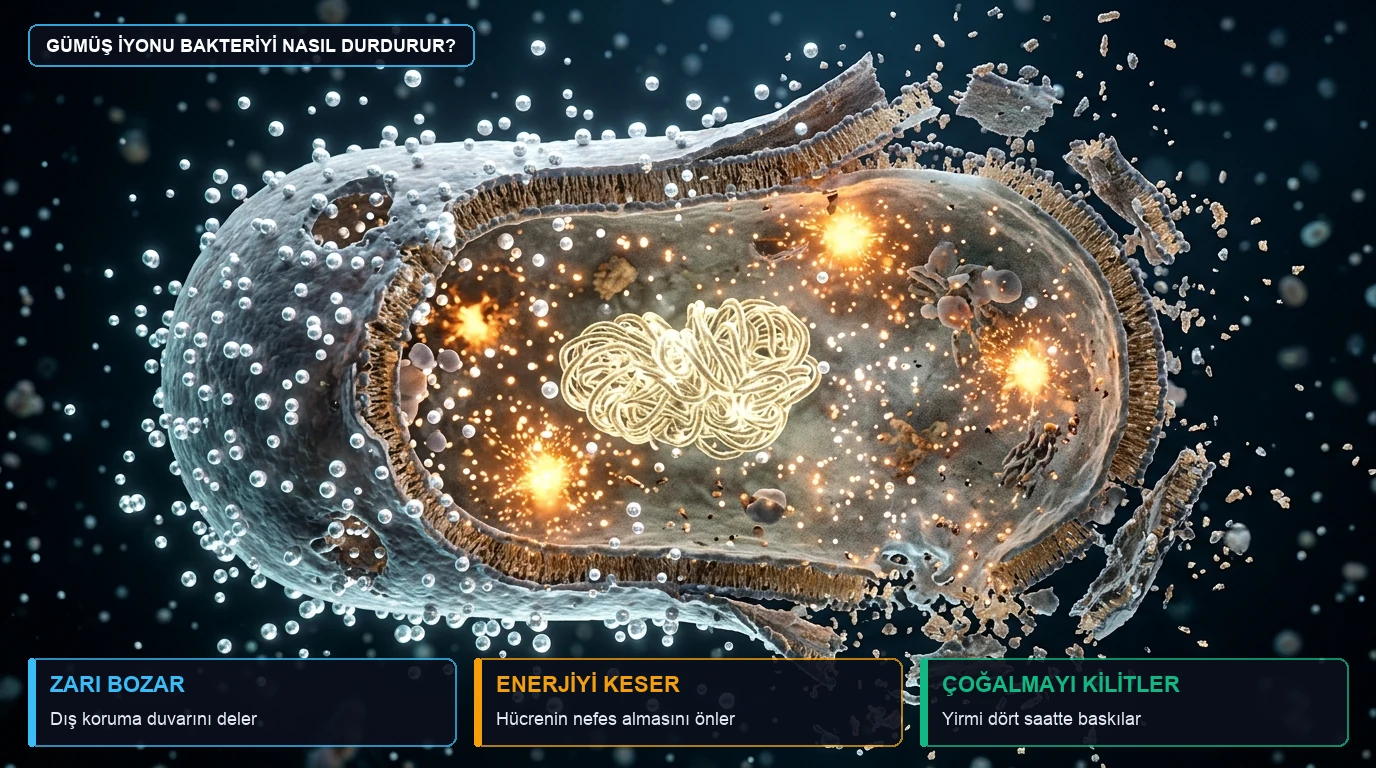
- Membrane Lysis: Ag+ interacts electrostatically with negatively charged bacterial cell walls, disrupting outer membrane integrity and inducing cellular leakage [5].
- Respiratory Chain Collapse: Silver ions bind to sulfhydryl (-SH) thiol groups on membrane-bound respiratory enzymes, uncoupling ATP production [6, 7].
- Reactive Oxygen Species (ROS) Generation: Intracellular silver catalyzes massive surges of hydroxyl free radicals, tearing apart internal cellular structures [6, 8].
- DNA Condensation: Silver complexes with nucleic acid bases, condensing chromatin and halting binary fission and chromosomal replication [5].
Under standardized international testing protocols (ISO 22196), silver-ion-doped surfaces achieve a ≥99% reduction in viable bacteria over a 24-hour window [5, 6]. However, this is not an instantaneous kill; it functions as a passive antimicrobial barrier between cleanings and cannot replace active manual decontamination [12].
The “Wipe and Immediately Dry” Error: The 60-Second Rule
Many users wipe their smartphone with an alcohol wipe for two seconds and instantly dry it off with a paper napkin. Research by Günter Kampf and William Rutala highlights the fatal flaw in this habit [4, 13]:
- Formulations containing 62% to 71% ethanol or isopropanol require an uninterrupted wet contact time of at least 60 seconds to penetrate lipid envelopes and denature microbial proteins [13].
- Thoroughly wiping with a validated disinfectant wipe eliminates over 95% of viable surface bioburden without harming oleophobic touchscreen coatings, even across hundreds of consecutive cycles [4].
4. Practical Protocols: 4 Habits for Device Hygiene
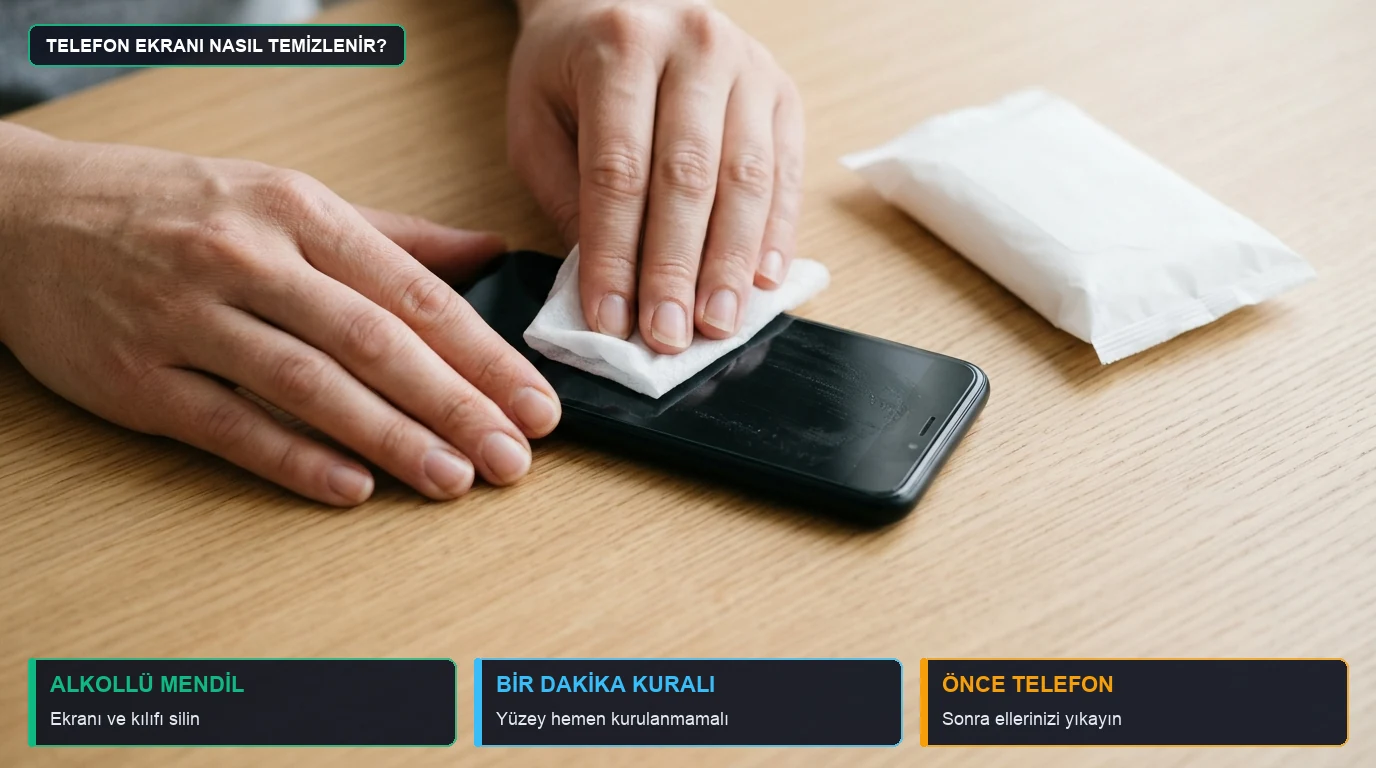
- 1. Upon Returning Home: Clean the Phone First, Then Wash Hands: Immediately upon entering, decontaminate your mobile device with an alcohol wipe before washing your hands at the sink [2, 3].
- 2. Observe the 60-Second Wet Contact Time: Wipe all glass, edges, and case surfaces with a 70% alcohol wipe and allow the solvent to evaporate naturally over 1 full minute [4, 13].
- 3. Immediately Replace Fractured Screen Protectors: Discard cracked tempered glass and degraded, microporous silicone covers before they establish entrenched biofilm niches [10].
- 4. Transition to Wireless Charging: Minimize dirt and moisture ingress by using Qi wireless charging pads, eliminating physical connector wear [10, 12].
The single most impactful behavioural shift is Step 1: Disinfecting your smartphone before washing your hands at the sink permanently halts the re-contamination cycle.
Evidence Level & Scientific Reliability
| Finding | Evidence Level |
|---|---|
| High bacterial contamination rates on mobile devices (>90%) serving as vectors for cross-transmission | 🟢 Strong |
| Extended persistence of MRSA, Acinetobacter, and coliforms on dry glass and polymers (months) | 🟢 Strong |
| Bacterial biofilms exhibiting 100- to 1,000-fold greater biocide tolerance compared to planktonic cells | 🟢 Strong |
| 62–71% alcohol wipes requiring 60 seconds of contact time to achieve >95% pathogen reduction | 🟢 Strong |
| Silver ion coatings reducing microbial loads by 99% over 24 hours as an adjunct surface technology | 🟢 Strong |
💡 Understanding Evidence Levels
- 🟢 Strong: Validated through independent peer-reviewed clinical microbiology studies, systematic reviews, and ISO standards.
- 🟡 Emerging: Laboratory pilot trials with limited bacterial strains.
- 🔴 Insufficient: Unsubstantiated claims lacking standardized kill-curve documentation.
Frequently Asked Questions
Do smartphones genuinely harbor hospital-grade resistant bacteria?
Yes. Empirical hospital studies found bacterial colonization on 94.5% of healthcare workers’ phones, with 52% of isolated staphylococci identified as methicillin-resistant MRSA [2]. A multi-country systematic review confirmed bacterial colonization across 96.4% of surveyed mobile phone studies globally [3].
Does an antimicrobial silver-ion case eliminate the need to wipe the phone?
No. Silver-ion polymers suppress bacterial proliferation by ≥99% over a 24-hour incubation period, but do not provide instant disinfection [5, 6]. They serve as continuous passive barriers between cleanings and must be paired with routine chemical wiping [12, 13].
Why are bacteria in screen cracks 100 to 1,000 times more resistant to cleaners?
Bacteria nesting inside glass fractures and ports secrete an extracellular polymeric substance (EPS), forming a dense biofilm [9, 10]. This physical matrix impedes disinfectant penetration, conferring up to 1,000 times greater biocide tolerance than exhibited by free-floating bacteria [11].
What is the safest and most effective method to clean a modern touchscreen?
Wipes saturated with 70% isopropyl alcohol or 62–71% ethyl alcohol are the gold standard for mobile electronics [4, 13]. Lock your device, wipe all surfaces without forcing moisture into speaker grills or port openings, and let the liquid air-dry undisturbed for a full 60 seconds [13].
Conclusion
No matter how diligently we scrub our hands, grasping an unsanitized smartphone immediately after leaving the sink instantly re-inoculates our skin with the very pathogens we sought to wash away. By replacing chipped screen protectors, wiping devices with 70% alcohol wipes for 60 seconds upon arriving home, and only then washing our hands, we close this invisible microbial loop.
Last Updated: October 2026
Verified Bibliography & Scientific References (PMID & DOI)
- Kramer A, Schwebke I, Kampf G. How long do nosocomial pathogens persist on inanimate surfaces? A systematic review. BMC Infectious Diseases. 2006;6:130. PMID: 16914034 | PMCID: PMC1564025 | DOI:
10.1186/1471-2334-6-130 - Ulger F, Esen S, Dilek A, Yanik K, Gunaydin M, Leblebicioglu H. Are we aware how contaminated our mobile phones with nosocomial pathogens? Annals of Clinical Microbiology and Antimicrobials. 2009;8:7. PMID: 19267892 | PMCID: PMC2655280 | DOI:
10.1186/1476-0711-8-7 - Olsen M, Campos M, Lohning A, et al. Mobile phones represent a pathway for microbial transmission: A scoping review. Travel Medicine and Infectious Disease. 2020;35:101704. PMID: 32360322 | PMCID: PMC7187827 | DOI:
10.1016/j.tmaid.2020.101704 - Rutala WA, White MS, Gergen MF, Weber DJ. Bacterial contamination of keyboards: efficacy and functional impact of disinfectants. Infection Control and Hospital Epidemiology. 2006;27(4):372-377. PMID: 16622815 | DOI:
10.1086/503340 - Feng QL, Wu J, Chen GQ, Cui FZ, Kim TN, Kim JO. A mechanistic study of the antibacterial effect of silver ions on Escherichia coli and Staphylococcus aureus. Journal of Biomedical Materials Research. 2000;52(4):662-668. PMID: 11033548 | DOI:
10.1002/1097-4636(20001215)52:4<662::aid-jbm10>3.0.co;2-3 - Gordon O, Vig Slenters T, Brunetto PS, et al. Silver coordination polymers for prevention of implant infection: thiol interaction, impact on respiratory chain enzymes, and hydroxyl radical induction. Antimicrobial Agents and Chemotherapy. 2010;54(10):4208-4218. PMID: 20660682 | PMCID: PMC2944614 | DOI:
10.1128/AAC.01830-09 - Holt KB, Bard AJ. Interaction of silver(I) ions with the respiratory chain of Escherichia coli: an electrochemical and scanning electrochemical microscopy study of the antimicrobial mechanism of micromolar Ag+. Biochemistry. 2005;44(39):13214-13223. PMID: 16185089 | DOI:
10.1021/bi0508542 - Park HJ, Kim JY, Kim J, et al. Silver-ion-mediated reactive oxygen species generation affecting bactericidal activity. Water Research. 2009;43(4):1027-1032. PMID: 19073336 | DOI:
10.1016/j.watres.2008.12.002 - Donlan RM, Costerton JW. Biofilms: survival mechanisms of clinically relevant microorganisms. Clinical Microbiology Reviews. 2002;15(2):167-193. PMID: 11932229 | PMCID: PMC118068 | DOI:
10.1128/CMR.15.2.167-193.2002 - Donlan RM. Biofilms: microbial life on surfaces. Emerging Infectious Diseases. 2002;8(9):881-890. PMID: 12194761 | PMCID: PMC2732559 | DOI:
10.3201/eid0809.020063 - Ceri H, Olson ME, Stremick C, Read RR, Morck D, Buret A. The Calgary Biofilm Device: new technology for rapid determination of antibiotic susceptibilities of bacterial biofilms. Journal of Clinical Microbiology. 1999;37(6):1771-1776. PMID: 10325322 | PMCID: PMC84946 | DOI:
10.1128/JCM.37.6.1771-1776.1999 - Otter JA, Vickery K, Walker JT, et al. Surface-attached cells, biofilms and biocide susceptibility: implications for hospital cleaning and disinfection. Journal of Hospital Infection. 2015;89(1):16-27. PMID: 25447198 | DOI:
10.1016/j.jhin.2014.09.008 - Kampf G. Potential role of inanimate surfaces for the spread of coronaviruses and their inactivation with disinfectant agents. Infection Prevention in Practice. 2020;2(2):100044. PMID: 34316556 | PMCID: PMC7148653 | DOI:
10.1016/j.infpip.2020.100044
For informational purposes only; consult a physician for medical diagnosis or treatment.