
- → Indoor Air Can Be 2 to 5 Times More Polluted Than Outdoor Air: Conventional chemical sprays and synthetic fragrances continuously emit volatile organic compounds (VOCs) that irritate the respiratory tract and trigger low-grade mucosal inflammation (Hartiala et al., 2026).
- → House Dust Serves as a Chemical Reservoir: Flame retardants, phthalates, and plasticizers shedding from furniture, carpets, and electronics settle into settled dust, directly disrupting human endocrine receptors via inhalation and dermal transfer (Li et al., 2026).
- → Cookware Scratches and 'Forever Chemicals': Degraded non-stick pans release millions of microscopic fluoropolymer particles and perfluoroalkyl substances (PFAS) during high-heat cooking; switching to stainless steel or seasoned cast iron eliminates this risk (Woodward et al., 2026).
- → Cross-Ventilation and Carbon Adsorption Are Essential: Generating active airflow through cross-breeze ventilation and utilizing True HEPA combined with activated carbon filtration dramatically clears airborne particulate and solvent burdens (Kang et al., 2026).
⚠️ Medical Disclaimer: This content is for informational purposes only and does not replace a physician’s examination, clinical diagnosis, or medical treatment. For chronic allergies, severe asthma, or autoimmune conditions, always consult a qualified healthcare provider.
In Brief
- The invisible chemical mist: Aerosol cleaning sprays, scented candles, and plug-in air fresheners transform indoor air into an enclosed cloud of volatile organic compounds.
- The hidden reservoir in carpets: Settled house dust is far from inert soil; it functions as an active chemical sponge absorbing flame retardants, plasticizers, and endocrine disruptors.
- Cookware degradation hazards: Scratched non-stick coatings and hot plastic food storage containers shed persistent PFAS molecules and microplastics directly into daily meals.
- A four-step purification protocol: Cross-ventilation, damp microfiber cleaning, switching to cast iron cookware, and multi-stage water filtration rapidly diminish household toxic burdens.
Sound Familiar? “I’m Resting at Home, So Why Am I Constantly Exhausted?”
You spent the entire weekend resting indoors, slept for ample hours, yet woke up Monday morning with a heavy skull, burning dry eyes, and a stubborn brain fog. Even if you maintain an immaculate diet and train regularly, unexplained mid-day lethargy continues to linger.
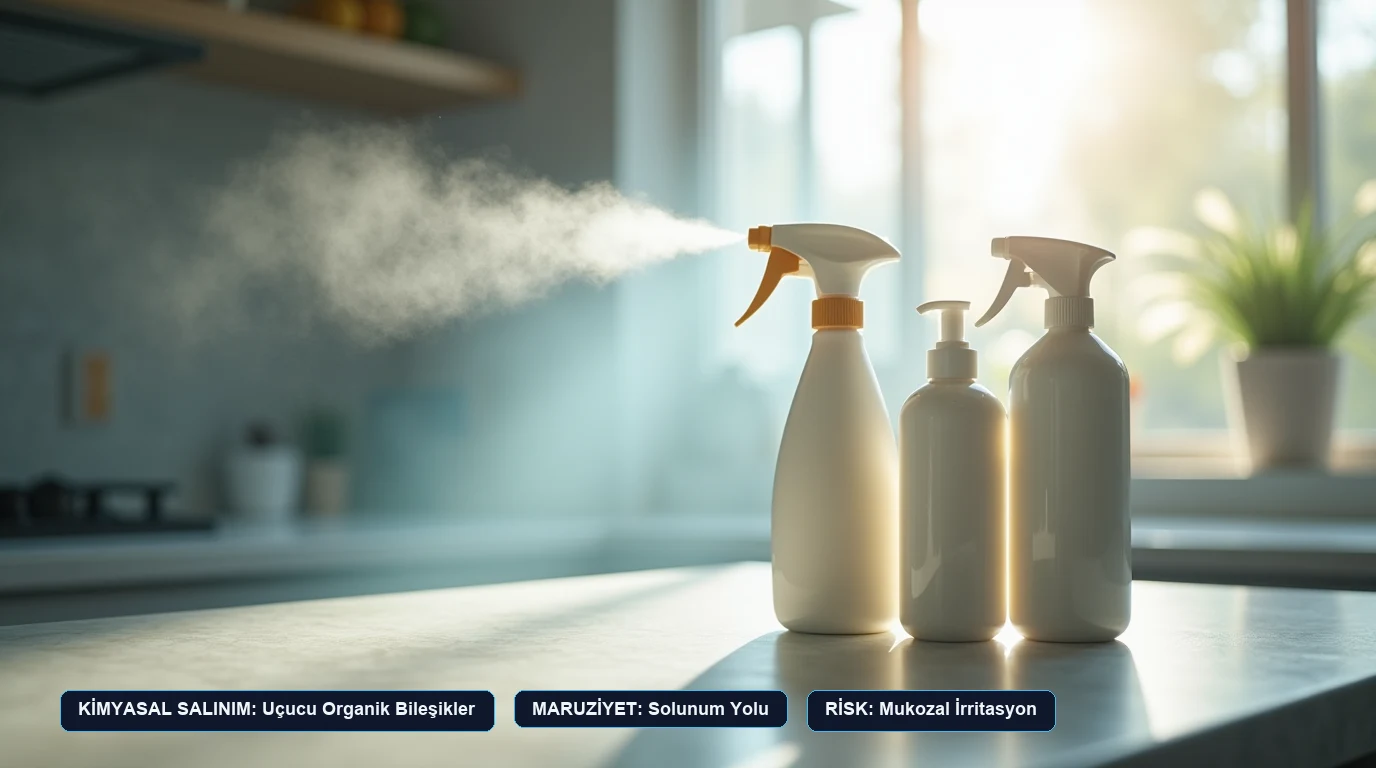
Most people instinctively attribute this sluggishness to professional stress or seasonal shifts. However, modern humans spend between 85% and 90% of their lives within indoor microenvironments. Our homes, presumed to be our safest sanctuaries, can harbor pollutant concentrations significantly higher than busy municipal streets due to synthetic cleaners, off-gassing furniture, and plastic products [1, 2].
This chemical burden is not an inevitability. By applying environmental toxicology insights and biohacking protocols, identifying and eliminating these hidden burdens restores mitochondrial energy and hormonal balance swiftly.
The Invisible Adversary: Airborne Volatile Chemicals
The familiar “floral freshness” encountered upon entering a sanitized room represents an artificial chemical screen rather than biological purity. Air fresheners, fabric softeners, scented candles, and surface aerosols liberate hundreds of distinct volatile organic compounds (VOCs) [1].
When these airborne vapors encounter indoor background ozone, secondary chemical reactions generate clouds of ultra-fine organic nanoparticles [2]. These microscopic irritants penetrate the deepest bronchial alveoli, stimulating chronic mucosal inflammation and blunting respiratory resilience [1, 5].
Midday headaches, chronic throat dryness upon waking, and persistent sinus congestion frequently stem from this continuous, unmonitored chemical inhalation [5].
The Ground-Level Reservoir: House Dust and Endocrine Disruptors
Many individuals assume residential dust consists merely of benign outdoor soil particles. In reality, dust gathered inside modern homes represents a dense chemical repository composed of flame retardant residues from electronics, phthalates from synthetic flooring, and worn microfibers [2, 3].

Analytical chromatographic studies have demonstrated substantial concentrations of bisphenols, organophosphate esters, and perfluoroalkyl substances in domestic dust matrices [2]. In the human body, these compounds function as endocrine disruptors, interfering with thyroid signaling pathways and receptor sensitivity.
Dry sweeping or feather dusting simply re-aerosolizes these toxic particulates, keeping them suspended at breathing level. Crawling infants, young children, and domestic pets experience disproportional dermal and oral exposures relative to their body weight [3].
Kitchen Vulnerabilities: Scratched Cookware, Plastics, and PFAS
The kitchen serves as the nutritional hub of the household, yet it frequently acts as the primary conduit for direct chemical ingestion. Non-stick frying pans that have suffered surface scratches begin flaking under high thermal conditions [3].
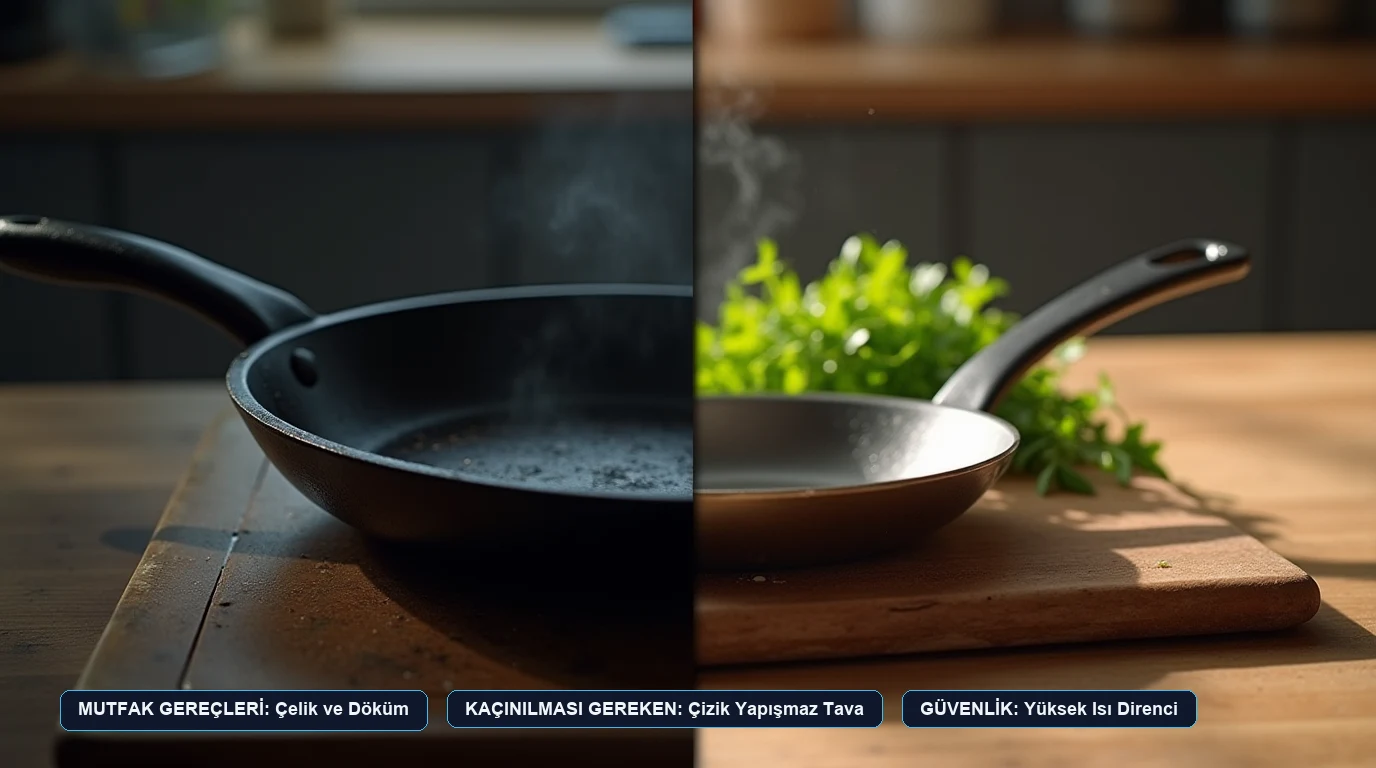
Polytetrafluoroethylene matrices and manufacturing surfactants belong to the per- and polyfluoroalkyl substances (PFAS) family, termed “forever chemicals” due to their immense environmental and physiological persistence [3]. Cooking in an abraded non-stick pan can transfer millions of microscopic fluoropolymer particles into food.
Furthermore, transferring hot broths or acidic sauces into plastic containers induces polymer leaching. The initial intervention in any household detox strategy requires discarding scratched non-stick tools and transitioning to glass storage.
The 360° Household Detox System: A Four-Phase Protocol
Minimizing residential toxic burden does not require costly structural remodeling. Applying four evidence-grounded steps systematically reduces environmental exposure within days.
Phase 1: Dynamic Cross-Ventilation and Air Filtration
Cracking a single window slightly fails to achieve meaningful air exchange. Opening opposing windows fully twice daily for 10 to 15 minutes creates vigorous cross-ventilation, flushing out trapped carbon dioxide and airborne solvents [4].
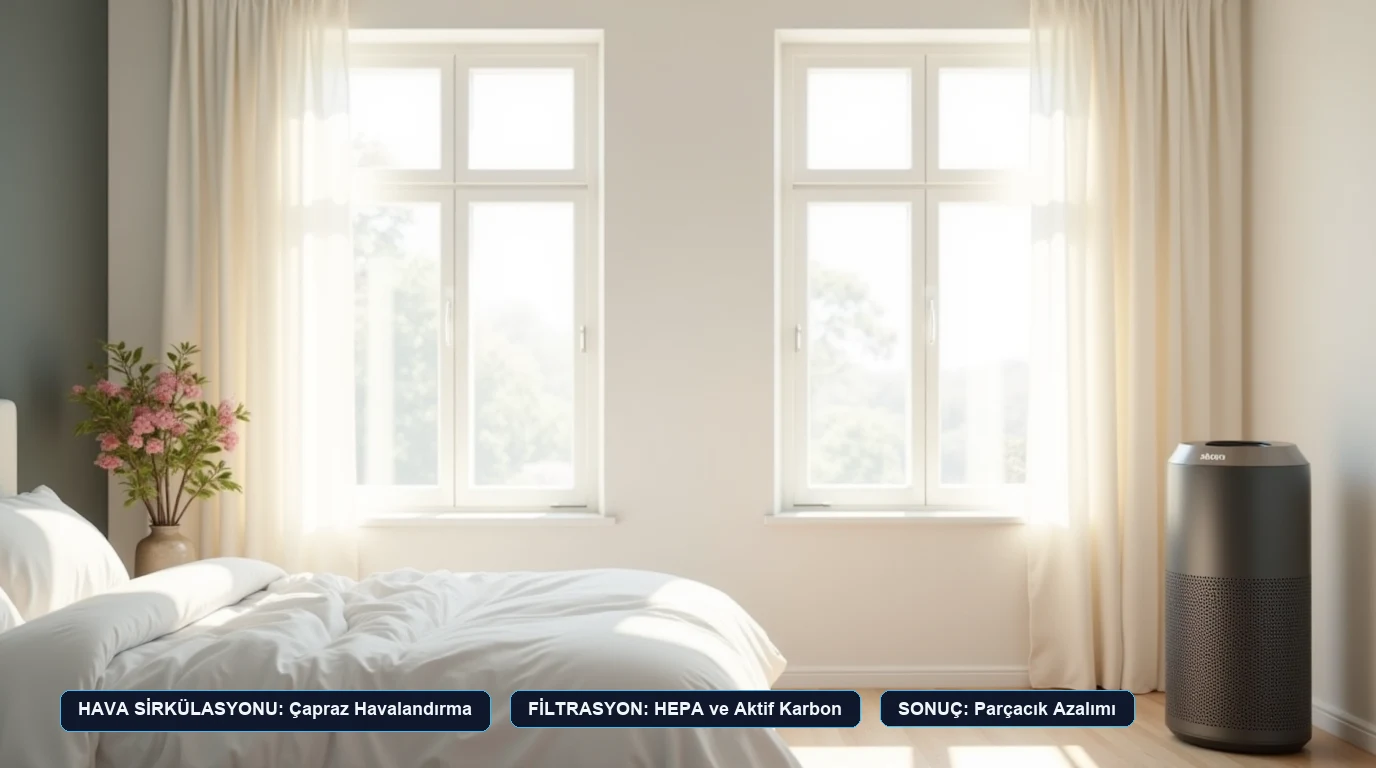
In urban environments or high-pollen seasons, supplement natural airflow by placing an air purifier with a True HEPA (H13) filter and an activated carbon bed in the primary bedroom. Randomized clinical trials confirm that this combination measurably mitigates airway hyperresponsiveness [4].
Phase 2: Natural Mineral Sanitization
Eliminate shelves filled with chlorinated sprays, synthetic bleaches, and heavily perfumed floor detergents. Comprehensive household hygiene can be achieved with three pure ingredients: sodium bicarbonate, fermented white vinegar, and pure olive oil liquid castile soap.
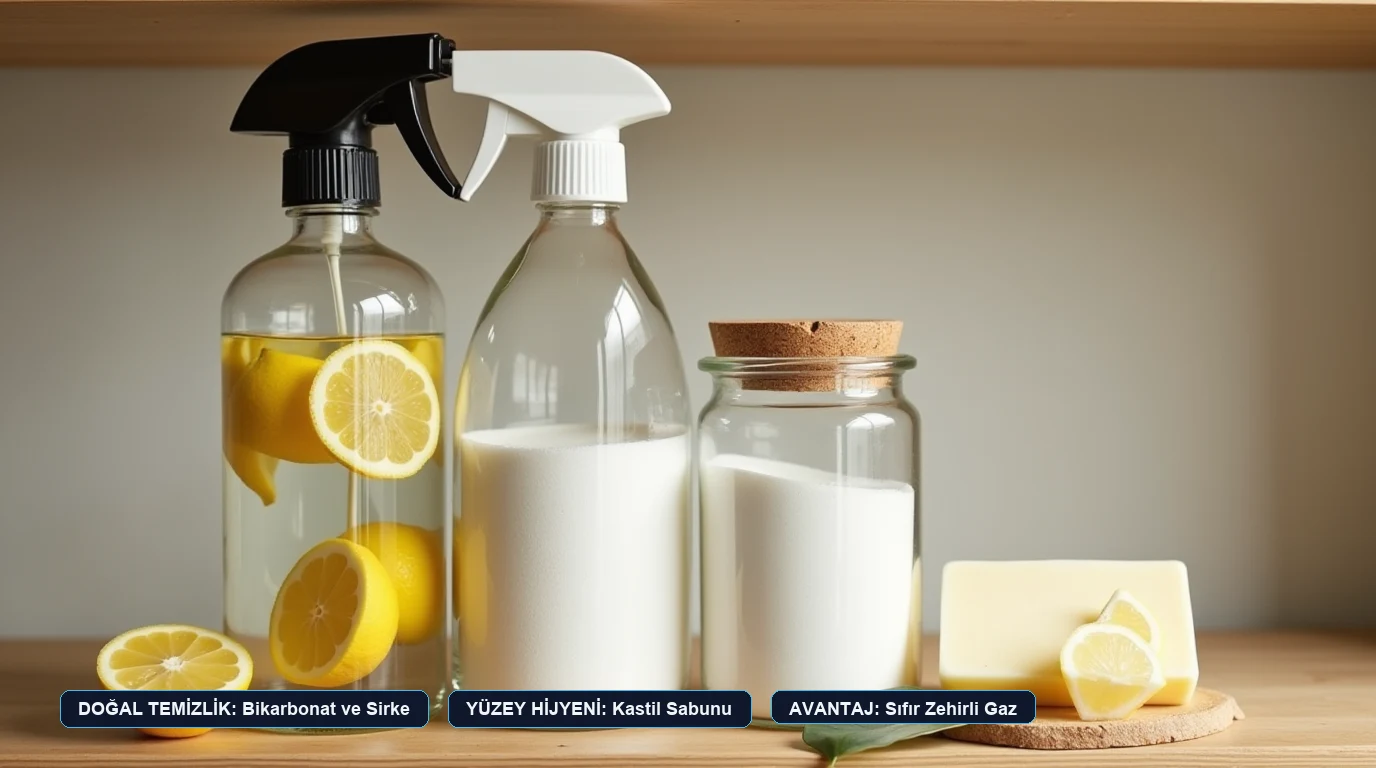
Castile soap emulsifies oils and surface grime; vinegar dissolves mineral scale and neutralizes basic residues; bicarbonate adsorbs odors and provides gentle physical scrubbing. This simple transition eliminates secondary volatile organic compound spikes entirely [1, 5].
Phase 3: Damp Microfiber Capture and Textile Care
Dry dusting merely redistributes chemical particles throughout the room. Always clean horizontal surfaces using a lightly damp microfiber cloth, which traps phthalate-laden particulates within its matrix rather than allowing them to become airborne [2].
Vacuum carpets regularly using a vacuum equipped with a sealed HEPA exhaust filter, and launder bed linens weekly at 60°C using unscented, hypoallergenic detergents.
Phase 4: Drinking Water Filtration and Heavy Metal Defense
Municipal tap water often travels through aging infrastructure, picking up trace pipe residues, heavy metals such as lead, chlorine byproducts, and microplastics. Purifying domestic water constitutes a core pillar of bodily detoxification.
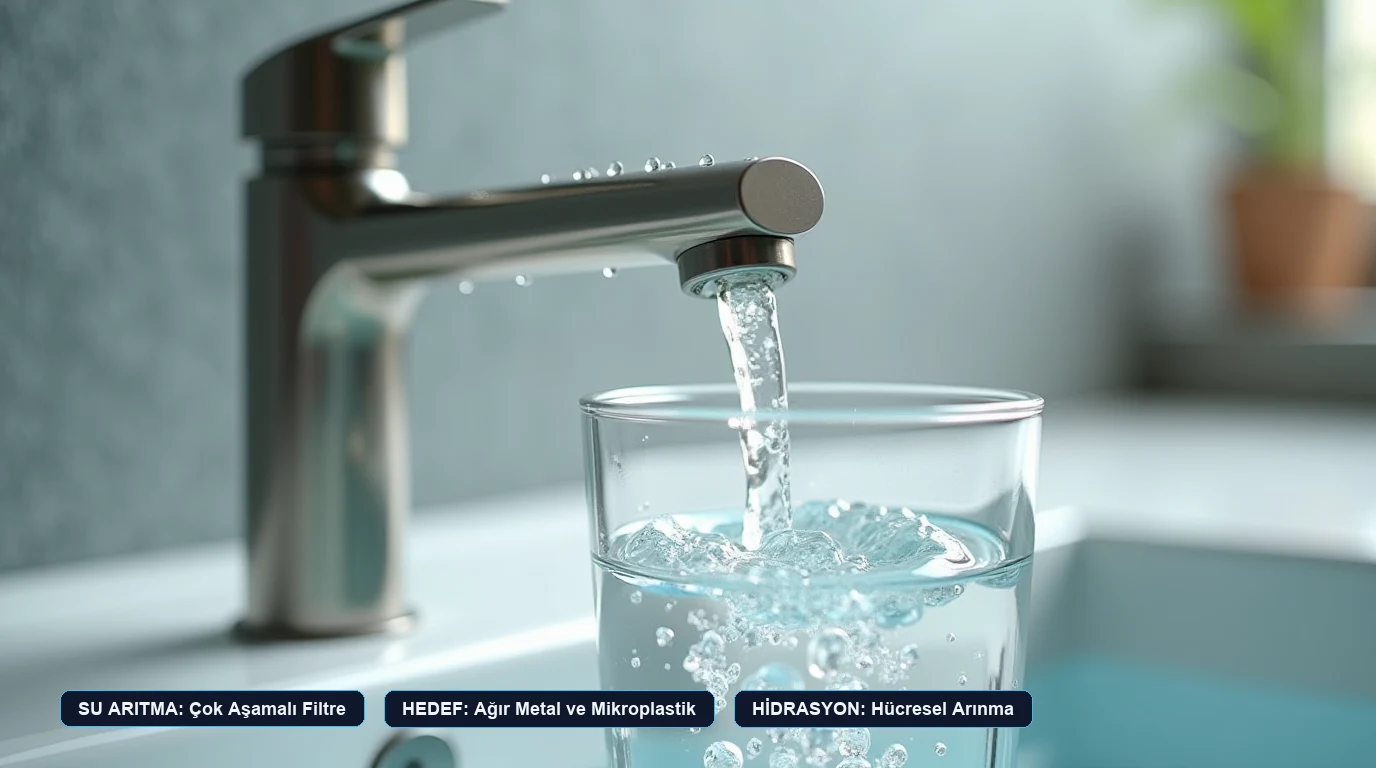
Install a certified multi-stage solid block activated carbon or reverse osmosis filtration system for all drinking and cooking water. To prevent plasticizer migration caused by sunlight exposure on bottled containers, store filtered water exclusively in stainless steel or glass carafes.
Evidence Levels and Strategy Comparison
The scientific validation supporting domestic detoxification interventions is summarized below:
| Intervention / Strategy | Biological Mechanism | Implementation Cost | Evidence Confidence |
|---|---|---|---|
| Twice-daily cross-ventilation | Rapid dilution of indoor carbon dioxide and accumulated solvent vapors | Zero | 🟢 Strong |
| Damp microfiber dusting & HEPA vacuuming | Physical entrapment of particulate phthalates and persistent flame retardants | Very Low | 🟢 Strong |
| Replacing scratched non-stick cookware with cast iron/steel | Elimination of shedding fluoropolymer microplastics and bioaccumulative PFAS | Moderate | 🟢 Strong |
| Eliminating synthetic air fresheners and fragranced candles | Halting ozone-reactive secondary organic nanoparticle generation | Zero (Saves Money) | 🟢 Strong |
| Active carbon and True HEPA bedroom air filtration | Continuous mechanical capture of PM2.5 and gas-phase VOC molecules | Moderate | 🟢 Strong |
| Relying solely on common houseplants | Inadequate bio-filtration volume when challenged by real-world chemical emissions | Low | 🔴 Insufficient |
📌 Understanding Evidence Confidence:
- 🟢 Strong: Validated across numerous independent analytical chemistry field trials, randomized controlled clinical trials, and epidemiological cohort studies.
- 🟡 Developing: Promising laboratory findings with evolving real-world clinical application data.
- 🔴 Insufficient: Popular hypotheses lacking adequate mechanical capacity to counteract modern chemical emission rates (e.g., expecting two potted plants to purify an entire home’s solvent burden).
Practical Daily Life Impact
Implementing the 360° household detox protocol delivers rapid, perceptible benefits: waking each morning with clear nasal passages and uninflamed eyes [4].
Removing continuous respiratory solvent burdens liberates hepatic two-phase detoxification and mitochondrial bandwidth, lifting persistent mid-afternoon brain fog [1, 2].
Furthermore, curbing residential endocrine disruptors safeguards thyroid receptor signaling and hormonal balance, ensuring a biologically clean living environment for young children and pets [3].
Safety and Vulnerable Populations
These environmental adjustments are exceptionally safe for general households. However, if visible mold colonies are present, wiping with vinegar alone is insufficient; professional moisture abatement and structural remediation must be pursued [1].
Individuals suffering from severe asthma, allergic rhinitis, or multiple chemical sensitivity should wear an N95/FFP2 respirator while cleaning carpets or handling discarded coated cookware. When seasoning traditional cast iron pans, choose high-smoke-point oils and avoid overheating to prevent culinary smoke generation.
Scientific Foundations
- Hartiala et al. (2026, IDEAL Consortium): Pan-European multi-center cohort investigation documenting the airway mucosal inflammation elicited by the indoor air exposome, including volatile cleaning agents and particulate mixtures [1].
- Li et al. (2026): High-throughput chromatographic analysis assessing the co-occurrence of PFAS, bisphenols, phthalates, and organophosphate esters in residential dust matrices [2].
- Woodward et al. (2026): Pediatric field study demonstrating the substantial direct contribution of indoor air and settled dust to children’s systemic perfluoroalkyl substance (PFAS) burdens [3].
- Kang et al. (2026): The AIRVAC Study: A randomized controlled trial evaluating the clinical respiratory benefits of mechanical residential cross-ventilation and True HEPA air filtration [4].
- Ghach et al. (2026): Public health survey illustrating the knowledge-practice decoupling in domestic chemical pollution and the perceived versus actual safety of conventional household cleaners [5].
References
- [1] Hartiala M, Elenius V, Pesquera AA, Androulakis S, Annesi-Maesano I, Badyda A, Brandsma S, Chatziprodromidou I, Gajski G, Garcia-Aymerich J, Giorio C, Hugg T, Jaakkola JJK, Koch S, Leonards PEG, Matrali A, Melymuk L, Mueller N, Muszyński A, Opbroek J, Paciência I, Pandis SN, Pozdniakova S, Rantala AK, Sufuentes SR, Schenk L, Sugeng E, Sunyer-Caldú A, Vantarakis A, Zherebker A, Alfaro-Moreno E, Nizzetto PB, Dominguez JF, Karatzas S, Mureddu F, Salonen H, Papadopoulos N, Jartti T, IDEAL Consortium. Exposures in Indoor Air Affecting Health. - Allergy. (2026). PMID: 41342236 — DOI: 10.1111/all.70179 — PubMed
- [2] Li J, Wen D, Li Q, Yang M, Zhu Y, Lin Z, Li M, Li L, Lai X, Zhu Q, Sun C, Zhao Z. High-throughput analysis method for the comprehensive assessment of per- and polyfluoroalkyl substances, bisphenols, organophosphate esters, phthalates and personal care product additives in indoor dust. - J Chromatogr A. (2026). PMID: 42470741 — DOI: 10.1016/j.chroma.2026.467270 — PubMed
- [3] Woodward M, Becanova J, Vojta S, Weihe P, Grandjean P, Lohmann R. Contribution of Indoor Air and Dust to Children’s Per- and Polyfluoroalkyl Substance Exposure in the Faroe Islands. - Environ Sci Technol. (2026). PMID: 42579118 — DOI: 10.1021/acs.est.6c02003 — PubMed
- [4] Kang I, Park S, Zhang Y, McCullough ST, LaFavor T, Shen Y, Park JY. Asthma Intervention with Residential Ventilation and Air Cleaner (AIRVAC) Study: A 4-arm parallel-group randomized controlled trial protocol. - PLoS One. (2026). PMID: 42789537 — DOI: 10.1371/journal.pone.0358221 — PubMed
- [5] Ghach W, Salhab R, Alwattar JK, Abou Ibrahim S, Alwan N, Alotaibi E. Knowledge-practice decoupling in residential chemical indoor-air pollution: a cross-sectional survey in Lebanon. - Front Public Health. (2026). PMID: 42953042 — DOI: 10.3389/fpubh.2026.1971900 — PubMed
For informational purposes only; consult a physician for medical diagnosis or treatment.