- → Cellular Lock and Key: Insulin acts as a molecular key unlocking cellular gates to clear circulating glucose; when excess intracellular lipid metabolites accumulate, receptor signaling blunts and resistance develops (Petersen and Shulman, 2018).
- → Muscle Contraction's Backdoor: When skeletal muscles contract, they activate AMPK and translocate GLUT4 glucose transporters directly to the membrane, clearing glucose independently of insulin (Richter and Hargreaves, 2013).
- → The Twin Cycle Clearance: Shedding ectopic fat from the liver and pancreas rapidly restores hepatic insulin sensitivity and revives functional beta-cell capacity (Taylor, 2013).
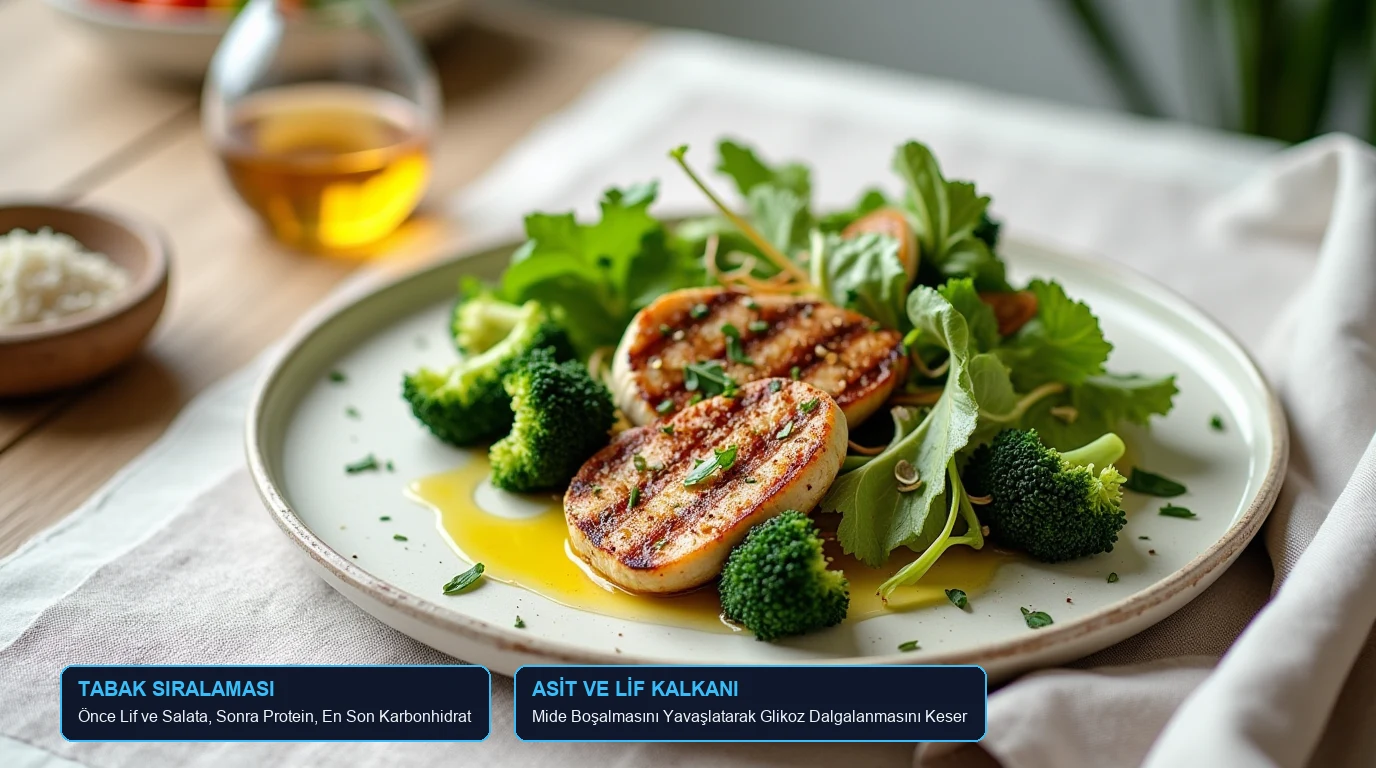
- → Food Sequencing Biochemistry: Consuming fibrous greens first, followed by proteins and fats, and finishing with carbohydrates slows gastric emptying and dramatically flattens glucose excursions (Ostman et al., 2005).
⚠️ Medical & Health Disclaimer: This guide provides educational information based on peer-reviewed biomedical literature and does not substitute for professional medical diagnosis, examination, or clinical treatment. Individuals diagnosed with insulin resistance, prediabetes, or type 2 diabetes must consult their healthcare provider before altering their dietary, exercise, or supplement routines. Never discontinue or adjust prescription diabetic or antihypertensive medications without direct physician supervision.
In Brief
- A jammed lock at the cell gate: Insulin acts as an access key; when intracellular fat overflow accumulates, the receptor signaling pathway dulls, leaving glucose stranded in the bloodstream [1, 5].
- The muscle’s emergency fire exit: Physical exercise and brisk walking open glucose transporter channels directly, completely bypassing the impaired insulin receptor lock [2, 3].
- A reversible metabolic state: Clearing ectopic fat layers accumulated within the liver and pancreas allows organs to regain their natural insulin responsiveness [4].
- Intelligent plate sequencing: Starting meals with dietary fiber and acetic acid dampens postprandial blood sugar spikes and relieves pancreatic secretory stress [6, 7].
Sounds Familiar? Post-Meal Lethargy and Relentless Sugar Cravings
Do you feel an overwhelming wave of exhaustion wash over you roughly thirty minutes after finishing lunch? Do your eyelids grow heavy at your desk, followed almost immediately by an urgent, nagging craving for sweets or coffee?
These daily energy dips are frequently dismissed as simple tiredness. Yet beneath the surface, they often reflect a silent cellular defense mechanism against surging glucose: declining insulin sensitivity. In October 2026, educational discussions on the holistic wellness channel Schoepferinsel highlighted natural ways to revive cellular sensitivity, putting metabolic flexibility back into the spotlight.
Why does our body’s primary energy key stop working smoothly? Is it truly possible to help cells unlock their doors again and maintain steady blood sugar throughout the day? In this guide, we explore the underlying molecular mechanisms, the muscle’s hidden backdoor, and evidence-based lifestyle habits you can integrate immediately.
1. What Is Insulin Resistance? Why the Cell Gate Jamming Happens
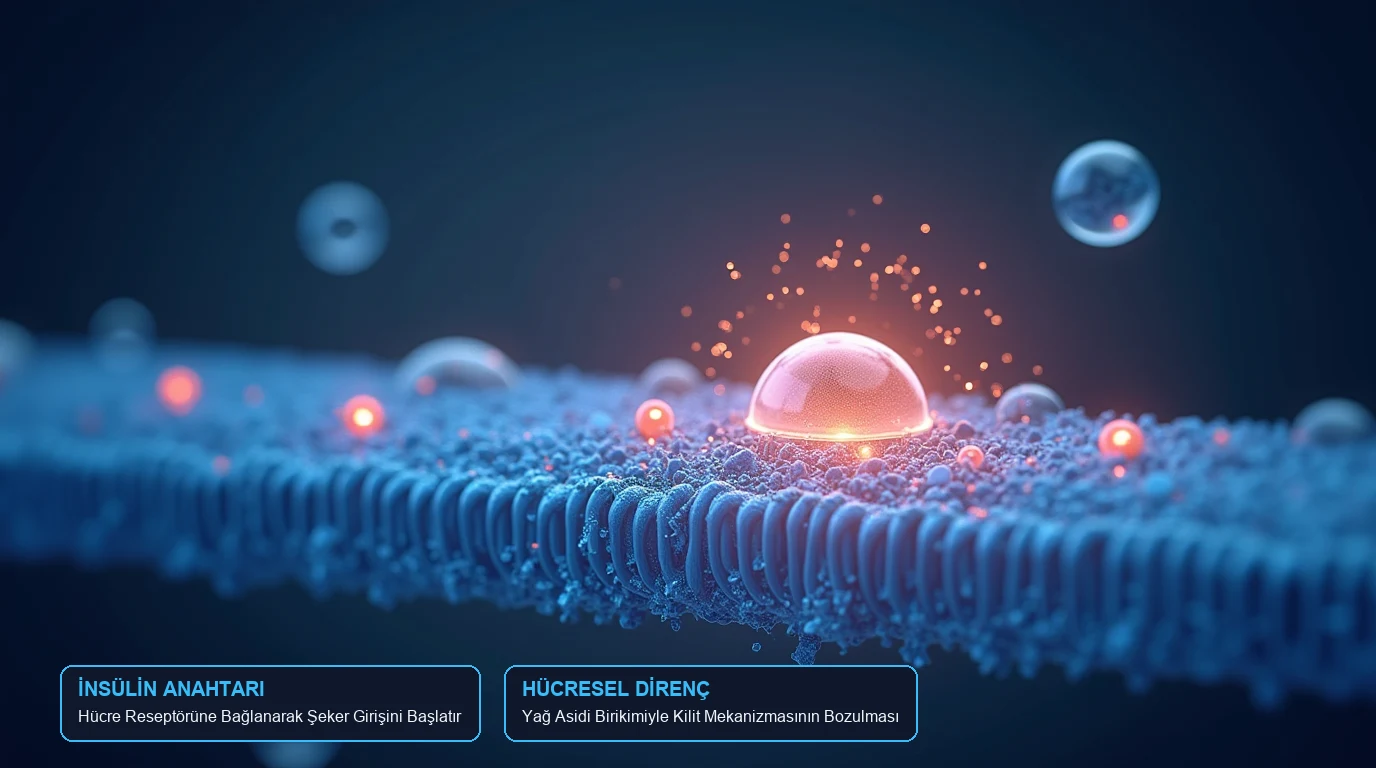
Whenever we digest carbohydrates, they break down into glucose and enter the bloodstream. The moment the pancreas senses this rise, it releases insulin. Insulin’s job is to knock on cell doors, signaling them to absorb circulating glucose.
Think of it like a house key and lock. Insulin is the precision key; the insulin receptor on the cell membrane is the lock. When the key fits cleanly, the door opens, allowing glucose to enter and fuel metabolic processes.
However, when unused lipid metabolites flood the inside of muscle and liver cells, everything changes. As demonstrated by researchers at Yale University, the buildup of intramyocellular diacylglycerols disrupts downstream receptor signaling [1, 5]. The lock effectively rusts. The pancreas compensates by producing ever-larger surges of insulin, resulting in chronically elevated blood sugar and high circulating insulin levels.
2. The Muscle’s Hidden Backdoor: How Glucose Enters Without Insulin
Many believe that once insulin resistance sets in, cells are completely unable to pull sugar from the blood. Fortunately, human physiology features a brilliant emergency shortcut: muscular contraction.
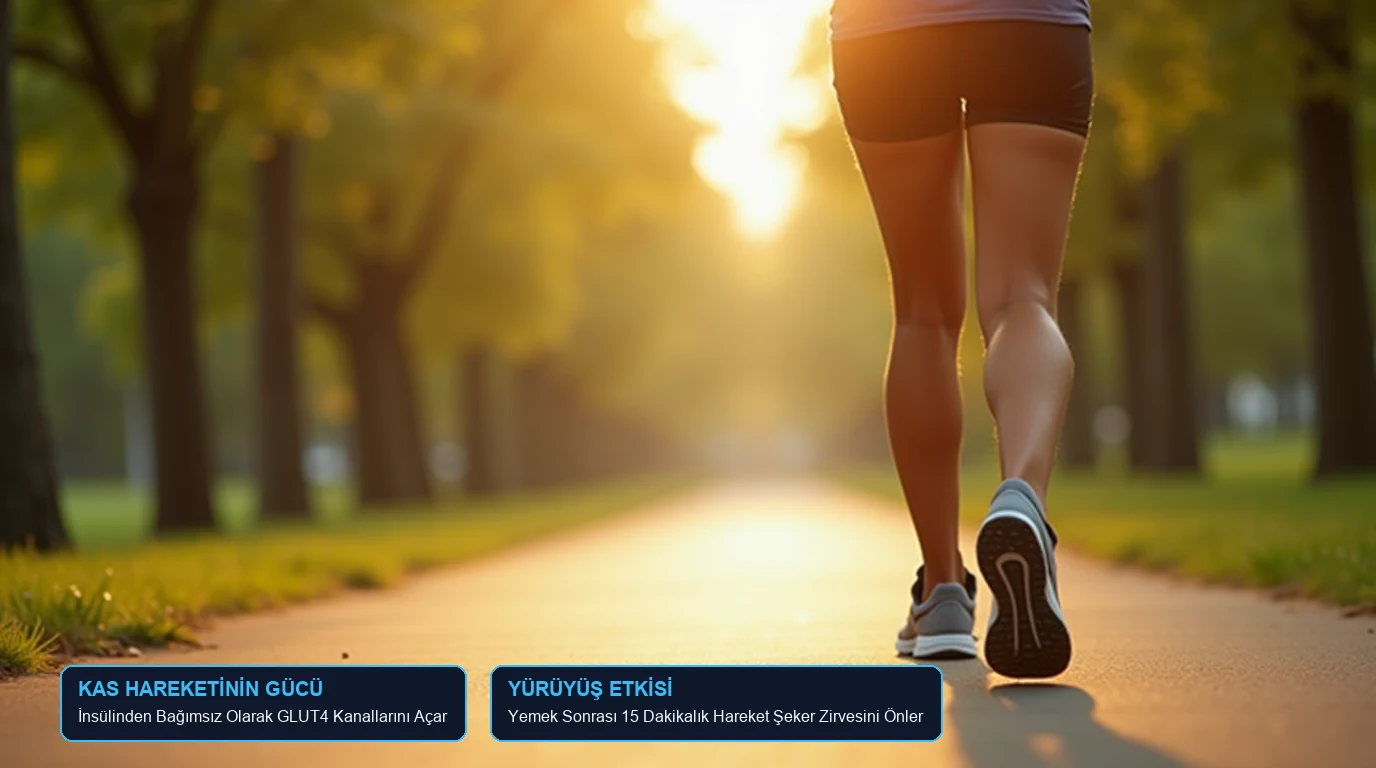
When skeletal muscle fibers contract, they trigger an energy-sensing enzyme called AMPK. This pathway mobilizes intracellular glucose transporter vesicles (GLUT4) directly to the cell membrane without needing any input from insulin [2, 3]. Even if the front door’s lock is unresponsive, muscle activation swings the backyard gate wide open.
Clinical investigations from the University of Copenhagen and Harvard Medical School demonstrate that taking a modest 10 to 15-minute walk right after a meal markedly flattens peak glucose levels [2]. Furthermore, this heightened insulin sensitivity persists for hours after activity stops.
3. The Twin Cycle Hypothesis: Reversing Fatty Infiltration in the Liver and Pancreas
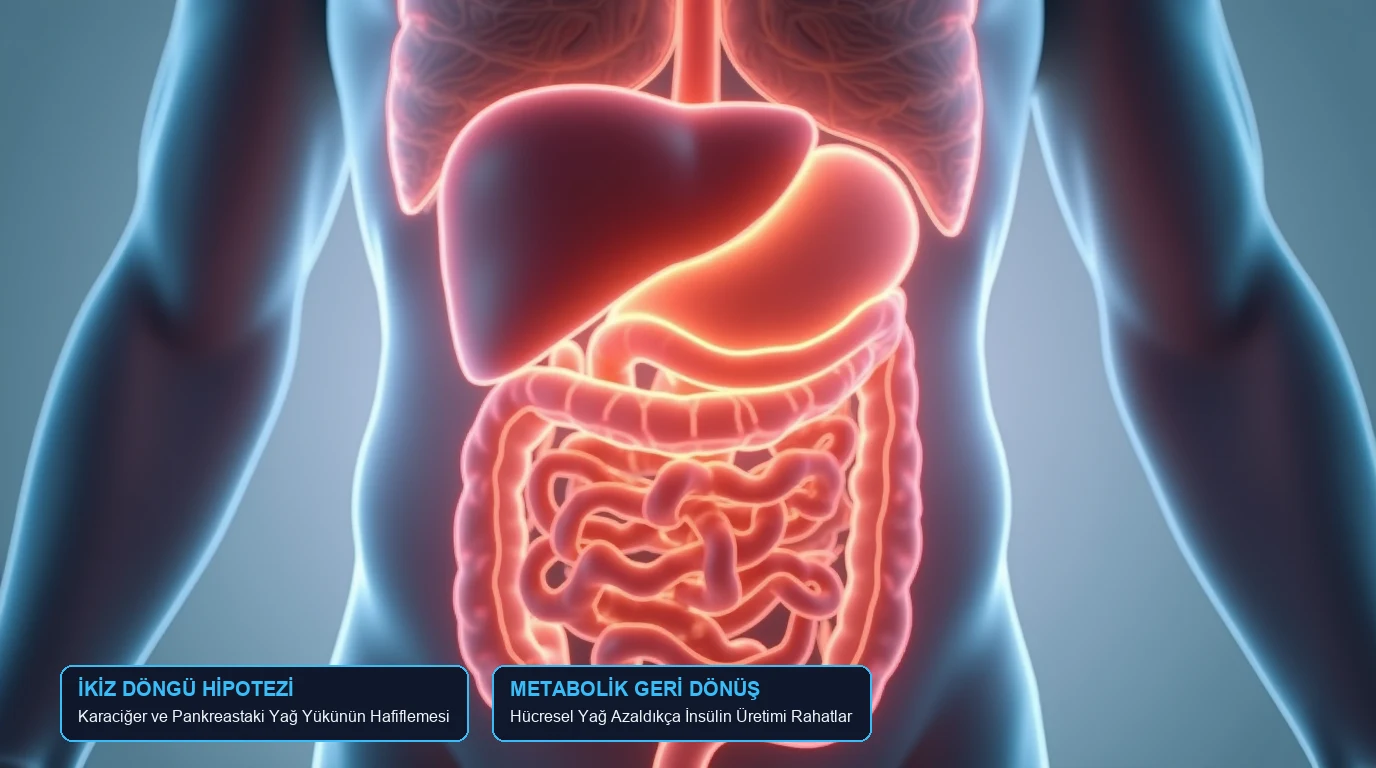
Professor Roy Taylor at Newcastle University transformed our understanding of metabolic health through his landmark “Twin Cycle Hypothesis” [4]. This framework proves that insulin resistance in type 2 diabetes is not necessarily irreversible cellular decay, but an organ system suffocating under ectopic fat.
The cycle starts in the liver. Chronic caloric excess and sedentary behavior lead to hepatic steatosis; the congested liver continually dumps glucose into circulation overnight. Excess fat then overflows into the pancreas, damaging the delicate beta cells that manufacture insulin.
Taylor’s clinical DiRECT trial showed that modest, intentional weight reduction (roughly 5 to 10 percent of body weight) strips away this intra-organ fat first from the liver, and subsequently from the pancreas [4]. Relieved of this toxic lipid burden, cells can recover healthy insulin sensitivity within weeks.
4. Food Sequencing and Biochemical Shields: Fiber, Vinegar, and Protein
Not only what you eat, but the chronological order in which you eat determines your glycemic curve. Gastrointestinal physiology responds dynamically to the rate of nutrient transit.
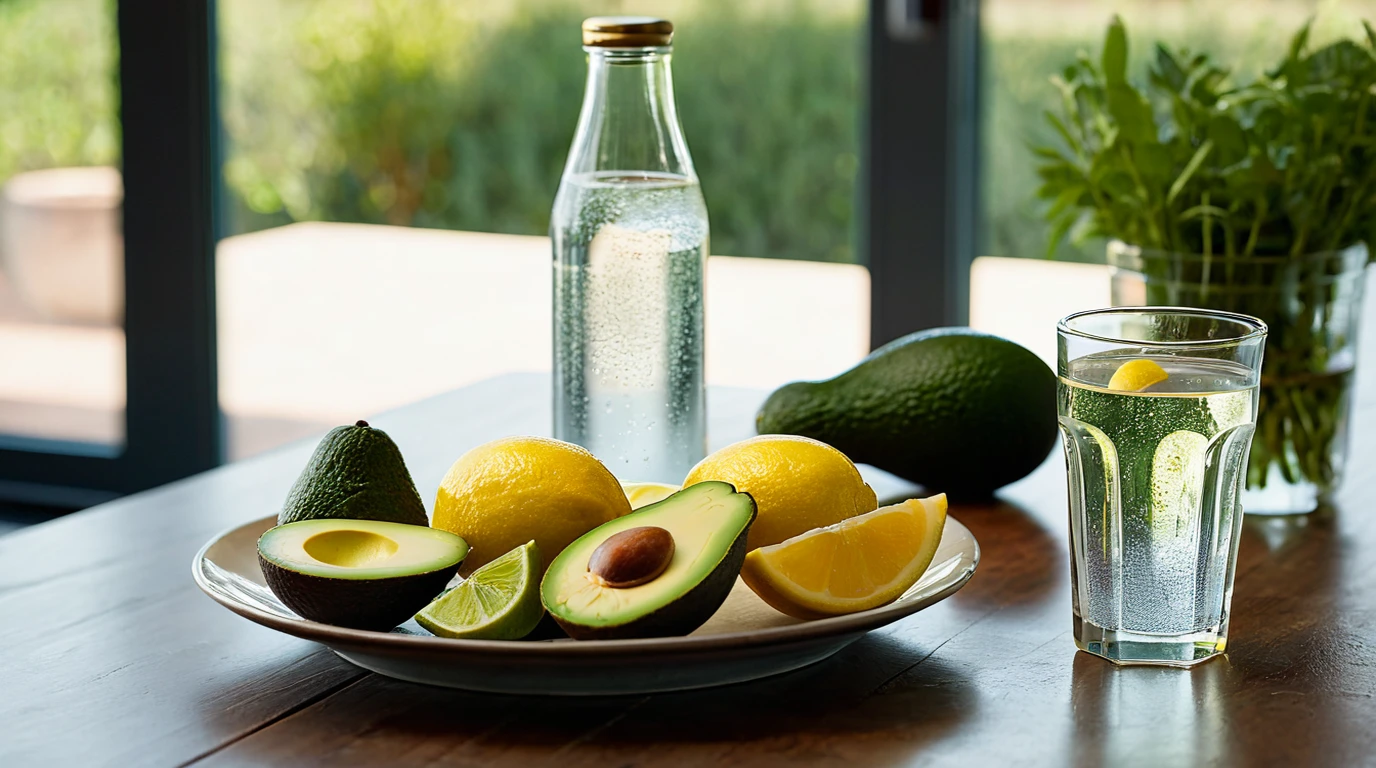
Starting your meal with a bowl of leafy greens creates a viscous, gel-like fiber barrier along the intestinal wall. Following up with lean proteins and healthy fats delays gastric emptying. By the time carbohydrates arrive in the stomach, their breakdown and intestinal absorption occur at a gentle, gradual pace. This simple sequence can slash postprandial glucose surges by up to 50 percent.
Adding a tablespoon of raw apple cider vinegar or lemon juice to salad dressings provides acetic acid, which delays gastric emptying and temporarily down-regulates salivary alpha-amylase [7]. This prevents sudden glucose spikes after starchy meals.
5. Night Shift and Cortisol: The Heavy Cellular Toll of Poor Sleep
Metabolism is not governed exclusively in the kitchen or gym; it is profoundly shaped in the bedroom. Our circadian clock is genetically calibrated to repair cellular machinery and recalibrate insulin sensitivity during nocturnal slumber.
When you experience fragmented or abbreviated sleep, the brain registers physiological distress and triggers elevated morning cortisol. Cortisol stimulates hepatic gluconeogenesis while desensitizing peripheral insulin receptors. Clinical trials show that even a single night of partial sleep restriction can reduce whole-body insulin sensitivity by 25 to 30 percent in healthy individuals [5].
Prioritizing a consistent bedtime around 11:00 PM, keeping your room cool and pitch-black, and disconnecting from harsh blue screens in the evening protects your pancreatic beta cells as much as your vision.

6. Botanical Allies and the Schoepferinsel Signal: Fact Versus Myth
Traditional phytotherapy and holistic health traditions have long relied on botanical extracts to maintain glycemic balance. In October 2026, discussions on the Schoepferinsel channel touched on botanical supports for metabolic resilience.
Biomedical literature validates several of these herbal approaches:
- Ceylon Cinnamon: Rich in polyphenols that mimic insulin receptor activation, facilitating cellular glucose uptake. True Ceylon cinnamon is preferred over Cassia due to its minimal coumarin content, protecting liver health.
- Berberine: Extracted from Berberis species, this alkaloid stimulates AMPK phosphorylation in muscle tissue, promoting glucose uptake independent of insulin [6].
- Fenugreek and Zinc: High soluble fiber content in fenugreek slows carbohydrate digestion, while zinc serves as an essential structural cofactor for crystalline insulin storage in pancreatic islets.
It is crucial to remember that botanical supplements cannot replace prescribed medication. Introducing high-potency herbal extracts without medical supervision can interact with diabetic pharmaceuticals and trigger dangerous hypoglycemia.
What You Can Do: 4 Simple Daily Steps
Restoring cellular insulin sensitivity does not require punishing dietary deprivation; small, sustainable shifts can transform metabolic balance:
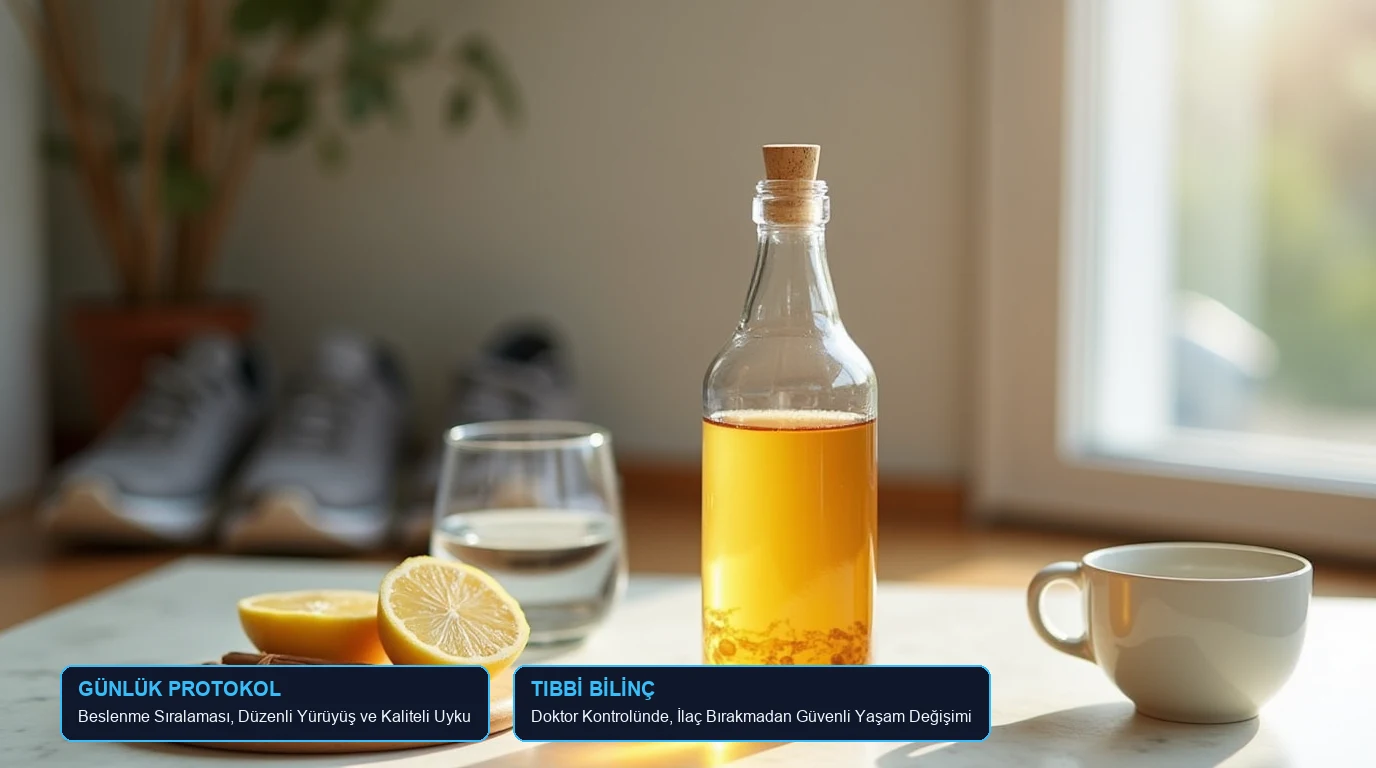
- Walk 15 minutes post-meal: Moving your muscles right after eating allows them to soak up circulating glucose without needing insulin. (The easiest and most effective daily habit!)
- Prioritize fiber before carbs: Eating raw or steamed vegetables ahead of starch naturally slows glucose absorption.
- Try vinegar before heavy meals: Adding a spoonful of organic apple cider vinegar to a glass of water or salad dressing tempers enzymatic starch breakdown.
- Guard your sleep window: Aim for at least 7 hours of undisturbed sleep each night to keep morning cortisol and insulin resistance in check.
How Much Can We Trust This Evidence?
| Finding and Application | Evidence Level |
|---|---|
| Insulin-independent glucose uptake via muscle contraction (GLUT4) | 🟢 Strong |
| Metabolic remission following liver and pancreatic fat clearance | 🟢 Strong |
| Meal sequencing and dietary fiber blunting glycemic spikes | 🟢 Strong |
| Sleep deprivation triggering acute insulin resistance | 🟢 Strong |
| Botanical extracts (Ceylon cinnamon, berberine) enhancing sensitivity | 🟡 Emerging |
📌 What Does Evidence Level Mean?
- 🟢 Strong: Corroborated by multiple independent human clinical trials and broad scientific consensus.
- 🟡 Emerging: Promising preliminary trials or small cohort studies requiring larger confirmatory trials.
- 🔴 Insufficient: Conflicting human data, purely anecdotal claims, or preclinical in-vitro/animal observations.
Frequently Asked Questions
Can insulin resistance be completely reversed?
Yes. In its early to moderate stages, insulin resistance and even type 2 diabetes can enter clinical remission once ectopic fat stores within the liver and pancreas are mobilized through sustained lifestyle changes, under medical supervision.
Is cardiovascular training or resistance exercise more effective?
Both provide distinct and synergistic advantages. Resistance exercise builds metabolic muscle mass for long-term glucose storage, while post-meal walking immediately clears circulating glucose. Combining both approaches yields optimal results.
Does consuming whole fresh fruit worsen insulin resistance?
Whole fruit delivers fiber, antioxidants, and water, which temper fructose absorption when consumed in moderation. However, commercial fruit juices stripped of fiber and industrial high-fructose corn syrup bypass satiety signals and accelerate hepatic steatosis.
How do I know my insulin sensitivity is improving?
Key everyday indicators include the disappearance of post-meal brain fog and drowsiness, sustained energy levels without mid-afternoon crashes, reduced sugar cravings, and gradual reduction in waist circumference.
References & Scientific Foundations
- Petersen MC, Shulman GI. Mechanisms of Insulin Action and Insulin Resistance. Physiol Rev. 2018;98(4):2133-2223. DOI: 10.1152/physrev.00063.2017 | PMID: 30067154
- Stanford KI, Goodyear LJ. Exercise and type 2 diabetes: molecular mechanisms regulating glucose uptake in skeletal muscle. Adv Physiol Educ. 2014;38(4):308-314. DOI: 10.1152/advan.00080.2014 | PMID: 25434013
- Richter EA, Hargreaves M. Exercise, GLUT4 translocation and skeletal muscle glucose uptake. Physiol Rev. 2013;93(3):993-1017. DOI: 10.1152/physrev.00038.2012 | PMID: 23897681
- Taylor R. Type 2 diabetes: etiology and reversibility. Diabetes Care. 2013;36(4):1047-1055. DOI: 10.2337/dc12-1805 | PMID: 23520370
- Shulman GI. Ectopic fat in insulin resistance, dyslipidemia, and cardiometabolic disease. N Engl J Med. 2014;371(12):1131-1141. DOI: 10.1056/NEJMra1011035 | PMID: 25229917
- Yin J, Xing H, Ye J. Efficacy of berberine in patients with type 2 diabetes mellitus. Metabolism. 2008;57(5):712-717. DOI: 10.1016/j.metabol.2008.01.013 | PMID: 18442638
- Ostman E, Granfeldt Y, Persson L, Björck I. Vinegar supplementation lowers glucose and insulin responses and increases satiety after a bread meal in healthy subjects. Eur J Clin Nutr. 2005;59(9):983-988. DOI: 10.1038/sj.ejcn.1602197 | PMID: 16015276
- Schoepferinsel Health Channel. Natural approaches to insulin sensitivity and metabolic resilience. Telegram Broadcast: https://t.me/schoepferinsel/11081 (Accessed: October 2026).
For informational purposes only; consult a physician for medical diagnosis or treatment.