
- → Fine Particulate Matter (PM2.5) Drives Risk: Systematic reviews across 66 epidemiological trials demonstrate that fine airborne particles show the most robust and consistent correlation with accelerated cognitive decline (Weuve et al., 2021).
- → White Matter Volume Loss: Neuroimaging in over 1,000 older women documents that long-term PM2.5 exposure corresponds to an anatomical volume loss in cerebral white matter equivalent to 1 to 2 years of premature brain aging (Chen et al., 2015).
- → Vascular System as Key Intermediary: A 16-study review identifies cardio- and cerebrovascular diseases as the primary mediating pathological pathway linking ambient pollutants to downstream neurodegeneration (Zare Sakhvidi et al., 2026).
- → Traffic Gases and Dementia: Pooling 13 prospective cohort studies highlights a statistically significant elevation in all-cause dementia risk associated with prolonged exposure to traffic-related nitrogen dioxide and carbon monoxide (Peters et al., 2019).
⚠️ Informational Notice: This article is strictly for educational purposes based on scientific publications and does not substitute for clinical medical examination, diagnosis, or personalized treatment. If you have concerns about your respiratory or neurological health, consult your physician.
In Brief
- Extensive epidemiological systematic reviews indicate that long-term exposure to ambient air pollution is prospectively associated with accelerated memory loss and elevated dementia risk in older age [1, 2].
- Fine particulate matter ($PM_{2.5}$) emerges as the single most consistently verified environmental pollutant tied to cognitive decline [3, 7].
- Volumetric MRI neuroimaging shows that prolonged particulate exposure is associated with measurable loss in cerebral white matter—the brain’s structural communication infrastructure [6].
- This association is not an immutable fate: cardiovascular and cerebrovascular health serves as the pivotal mediating bridge, providing actionable opportunities for targeted prevention [1].
Sounds Familiar?
Stepping out onto a city street during the early morning rush hour, you immediately notice the acrid, pungent smell of vehicle exhaust hanging in the cold air. After walking a few blocks along a congested avenue, a subtle scratchiness develops in your throat, accompanied by a faint stinging in your eyes. At night, when you wash your face, you may notice a gray residue on the towel, or observe fine dark grime accumulating along window sills.
We have long understood that urban exhaust irritates the respiratory tract. But what does this continuous haze do to the delicate neurological networks shielded inside our skulls? Could the dense vehicle exhaust we inhale daily cloud cognitive clarity and silently accelerate the biological aging of our brain?
For decades, medical science categorized air pollution exclusively as a pulmonary and cardiovascular hazard. However, groundbreaking neuroimaging and epidemiological research over the past decade demonstrates that every breath we take in polluted metropolitan areas directly intersects with the rate of brain aging.

Biological Pathways: How Airborne Toxins Reach the Brain
When envisioning street-level smog, it seems counterintuitive that airborne particulate matter could infiltrate the tightly sealed environment protected by the blood-brain barrier. Consider a city’s municipal water grid: microscopic contaminants entering the central treatment plant can gradually clog fine filters at household taps.
Fine particulate matter, scientifically classified as $PM_{2.5}$ (particles smaller than 2.5 micrometers in aerodynamic diameter), penetrates past upper airway defenses deep into the pulmonary alveoli [1, 3]. From there, these nanoparticles can cross the alveolar-capillary membrane into the bloodstream, behaving like fine smoke drifting unimpeded through ventilation shafts into a building’s most isolated chambers.
Once in systemic circulation, chronic particulate exposure undermines cognitive health primarily via cardio-cerebrovascular intermediary pathways [1]. Researchers emphasize that these foreign particles trigger systemic inflammation, promote oxidative stress, and accelerate endothelial dysfunction throughout arterial beds [1, 4].
A landmark systematic review synthesizing 16 epidemiological studies reported that cardio- and cerebrovascular disease represents the principal potential mediator linking ambient air pollution to cognitive decline, although definitive mechanistic confirmation requires ongoing longitudinal trials [1]. In essence, dirty air harms the brain largely by degrading the vascular plumbing that feeds it.
The same review notes that impaired sleep quality, reduced lung function, and stress-related mental health changes may also act as potential mediators in cognitive aging, though further research is needed to confirm these pathways [1]. Compromised nighttime rest or irritated airways may limit the recovery windows the brain relies on.
While biologically plausible toxicological pathways continue to be explored, human epidemiological reviews indicate that direct mechanistic confirmation remains preliminary [1, 3]. Today, the most consistent potential bridge in population studies points toward vascular wear-and-tear and systemic inflammation [1].

What Systematic Reviews Reveal About Cognitive Function and Dementia
A systematic review evaluating 13 prospective cohort studies rigorously analyzed the relationship between air pollution and incident dementia in older populations [2]. Tracking diverse cohorts across the United States, Canada, the United Kingdom, Sweden, and Taiwan over follow-up periods ranging from 1 to 15 years, the findings were striking: elevated exposure to fine particulates, nitrogen oxides ($NO_x$), and carbon monoxide consistently correlated with a heightened incidence of all-cause dementia and Alzheimer’s disease [2].
A life-course review demonstrates that pollution’s cognitive footprint is not confined to the final decades of life [3]. High traffic-related pollution exposure exhibits negative developmental associations extending from fetal gestation through childhood academic testing [3]. In older cohorts, high historical pollution levels accelerate memory, executive function, and psychomotor processing speed declines well beyond normal chronological aging [3, 4].
Anatomical imaging provides tangible structural verification of this neurovascular strain. In an influential study evaluating brain structural magnetic resonance imaging (MRI) in 1,403 older women from the Women’s Health Initiative Memory Study, long-term exposure to $PM_{2.5}$ was significantly associated with reduced cerebral white matter volume [6].
White matter consists of millions of myelinated axonal tracts that coordinate communication across distant cortical lobes. Investigators estimated that the observed white matter atrophy corresponded to approximately 1 to 2 years of premature biological brain aging, heavily localized within the frontal and temporal lobes and corpus callosum [6]. In contrast, cortical gray matter volumes did not demonstrate an equivalent degree of loss [6].

A Moment in the Traffic Jam
Picture being trapped in a dense rush-hour traffic crawl on your evening commute. A municipal bus in front of you accelerates, billowing dark exhaust that slips through your vehicle vents. As you wait at the steering wheel, you notice a wave of brain fog and hastily roll up the windows and switch the AC. Did you ever suspect that inhaling those plumes might affect not only your immediate respiratory comfort, but your autobiographical recall capacity a decade later?
This question might sound alarming, yet clinical epidemiology demonstrates that these recurring daily exposures accumulate over decades to leave an enduring biological imprint [2, 4]. In a comprehensive systematic review of 60 studies examining environmental risk factors, air pollution emerged among a short list of modifiable factors showing at least moderate evidence of association with dementia risk [5]. Urban traffic haze acts like an invisible abrasive, gradually wearing away cognitive reserve.

Where Reviews Diverge: Methodological Limitations
In reviewing scientific literature, understanding what the data cannot yet confirm is just as critical as highlighting positive correlations. A major 2021 update re-evaluating 66 studies noted that while the weight of evidence points toward an adverse link between $PM_{2.5}$ and cognitive decline, drawing unequivocal causative conclusions remains challenging [7].
Furthermore, findings for coarse particles ($PM_{10}$), nitrogen dioxide ($NO_2$), and ground-level ozone ($O_3$) are notably heterogeneous across studies [7]. Available data regarding ozone’s directional effect on dementia incidence remain particularly inconclusive and insufficient [7].
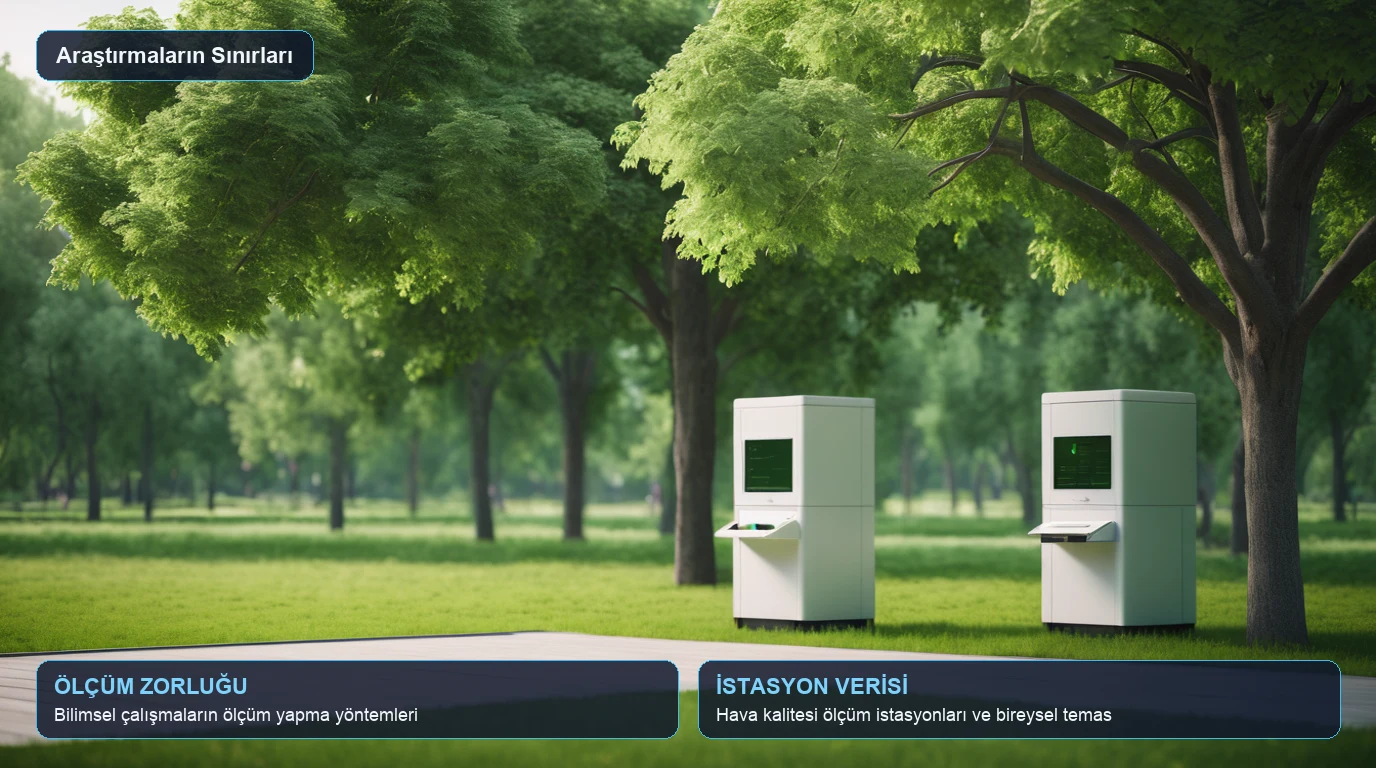
The primary obstacle stems from exposure assessment methodology. Equipping thousands of human subjects with personal air sampling monitors over decades is logistically impossible [4]. Consequently, epidemiological models rely on ambient monitoring stations nearest to participants’ residential zip codes [4, 7]. This introduces exposure misclassification: two neighbors residing on the same street may experience vastly different particulate doses depending on commuting habits, occupational exposures, and residential air tightness [4].
Another key confounder is that dementia diagnoses are often abstracted from administrative claims or hospital records, missing individuals with mild cognitive impairment who never seek formal clinical assessment [4, 7]. Finally, observational designs cannot completely rule out residual socioeconomic confounding: urban neighborhoods with heavier traffic pollution often coincide with reduced access to healthcare, green spaces, or nutritional resources [4].
What Does This Mean in Everyday Life?
These findings should not inspire fatalism or panic. Living in an urban center does not mean dementia is inevitable [1, 5]. Just as ultraviolet radiation can damage skin cells without causing harm when protective habits are adopted, the neurological effects of air pollution can be substantially mitigated.
The human brain possesses exceptional neuroplasticity and cognitive resilience. The finding that cardiovascular and cerebrovascular health serves as the central mediating bridge provides us with a powerful therapeutic lever [1].
Every lifestyle habit that preserves endothelial elasticity, regulates arterial blood pressure, stabilizes blood sugar, and dampens systemic inflammation directly strengthens the blood-brain barrier against airborne insults. Combining clean air awareness with proactive cardiovascular health is the most effective approach to preserving long-term cognitive clarity.
How Much Can We Trust the Evidence?
The following table summarizes the strength of evidence across the reviewed literature:
| Finding | Evidence Level |
|---|---|
| Association between long-term $PM_{2.5}$ exposure and cognitive decline | 🟢 Strong |
| Correlation between ambient air pollution and overall dementia risk | 🟢 Strong |
| Cardiovascular and cerebrovascular pathways mediating brain impacts | 🟡 Emerging |
| Fine particulate exposure linked to cerebral white matter volume loss | 🟡 Emerging |
| Independent role of traffic-related gaseous pollutants ($NO_2$, $CO$) | 🟡 Emerging |
| Sleep disruption and mood impairment mediating cognitive decline | 🟡 Emerging |
| Direct association between ground-level ozone ($O_3$) and dementia | 🔴 Insufficient |
💡 What Do These Confidence Levels Mean?
- 🟢 Strong: Replicated across large independent prospective cohort studies and clinical meta-analyses.
- 🟡 Emerging: Plausible biological mechanisms supported by preliminary human data requiring deeper longitudinal verification.
- 🔴 Insufficient: Inconclusive, contradictory, or unproven clinical evidence.

What Can You Do? 4 Practical Steps
- 1. Optimize commuting routes: Avoid walking along congested arterial roads during peak rush hour; opting for side streets lowers particulate inhalation (a pragmatic measure not explicitly tested in the reviews).
- 2. Time indoor ventilation: Open home windows during low-traffic hours (late evening or midday) rather than morning commute periods to keep indoor particulate counts low.
- 3. Prioritize cardiovascular health: Reviews identify cardio- and cerebrovascular disease as a potential mediating pathway [1]; while not directly tested as a pollution countermeasure in these reviews, supporting blood pressure, metabolic, and vascular health benefits overall brain resilience.
- 4. Utilize HEPA filtration indoors: While standalone air purifiers have not been clinically shown to prevent dementia, mechanical filtration demonstrably removes airborne $PM_{2.5}$ from indoor living spaces.
Practical Action Table
The following suggestions reflect pragmatic risk-reduction reasoning rather than formal clinical interventions evaluated in the reviews:
| Scenario | Recommended Action | Caveat |
|---|---|---|
| Heavy morning traffic | Reroute walks to residential side streets and parks | Avoid deep aerobic exertion directly beside vehicle exhaust |
| Driving in congestion | Switch cabin ventilation to internal recirculation | Replace cabin pollen/HEPA filters at regular intervals |
| Home ventilation | Aerate living spaces during off-peak traffic hours | Avoid prolonged window ventilation on hazy, stagnant days |
| Cognitive protection | Maintain proactive cardiovascular monitoring | Cardiovascular care supports general health, though its protective effect against air pollution’s brain impacts remains unverified in trials |
| Smog advisory alerts | Shift strenuous endurance workouts indoors | Consult a physician if experiencing persistent airway tightness |

Who Should Be Particularly Cautious?
The epidemiological reviews evaluated broad general population cohorts. Highly vulnerable subpopulations—such as pregnant women, nursing mothers, or individuals with pre-existing cerebrovascular disease—require personalized medical guidance; consult your doctor regarding specific clinical concerns.
Living in a busy city does not condemn anyone to cognitive decline [2, 7]. Air pollution is one of many modifiable environmental variables that can be counterbalanced through proactive lifestyle choices [5]. Maintaining a calm, informed perspective is the healthiest strategy.
Frequently Asked Questions
Does air pollution directly cause dementia?
Current systematic reviews indicate growing evidence linking air pollution to increased dementia risk, but data remain insufficient to establish sole direct causation [2, 4]. The association appears to operate predominantly through cardiovascular wear, endothelial dysfunction, and chronic neuroinflammatory stress [1].
How long must one breathe polluted air before brain function is impacted?
Most studies evaluated long-term cumulative exposures spanning 1 to 15 years [2]. The reviews do not provide conclusive evidence that transient, multi-day spikes in urban pollution cause irreversible cognitive impairment [4].
Does walking in the city do more harm than good?
Physical inactivity represents a significantly greater threat to overall health than moderate urban walking. When walking outdoors, choosing lower-traffic green areas over congested arterial roads is a sensible practical way to reduce inhaled particulates, even though route-switching interventions were not directly tested in the reviewed epidemiological studies.
Can indoor HEPA air purifiers definitively prevent cognitive decline?
Whether home air purifiers or specialized filters prevent dementia has not been directly evaluated in prospective clinical trials [4, 7]. However, they reliably lower indoor $PM_{2.5}$ particle counts, serving as a sensible mechanical defense.
Verified References
- [1] Zare Sakhvidi MJ, Burte E, Mehrparvar A, Mortamais M, Letellier N, Jacquemin B (2026). “Ambient air pollution exposure and cognitive aging, mediators and possible pathways: A systematic review on the epidemiological studies.” Ageing research reviews. DOI: 10.1016/j.arr.2026.103330 · PMID: 42632461
- [2] Peters R, Ee N, Peters J, Booth A, Mudway I, Anstey KJ (2019). “Air Pollution and Dementia: A Systematic Review.” Journal of Alzheimer’s disease : JAD. DOI: 10.3233/jad-180631 · PMID: 30775976
- [3] Clifford A, Lang L, Chen R, Anstey KJ, Seaton A (2016). “Exposure to air pollution and cognitive functioning across the life course—A systematic literature review.” Environmental research. DOI: 10.1016/j.envres.2016.01.018 · PMID: 26945620
- [4] Power MC, Adar SD, Yanosky JD, Weuve J (2016). “Exposure to air pollution as a potential contributor to cognitive function, cognitive decline, brain imaging, and dementia: A systematic review of epidemiologic research.” Neurotoxicology. DOI: 10.1016/j.neuro.2016.06.004 · PMID: 27328897
- [5] Killin LO, Starr JM, Shiue IJ, Russ TC (2016). “Environmental risk factors for dementia: a systematic review.” BMC geriatrics. DOI: 10.1186/s12877-016-0342-y · PMID: 27729011
- [6] Chen JC, Wang X, Wellenius GA, Serre ML, Driscoll I, Casanova R, McArdle JJ, Manson JE, Chui HC, Espeland MA (2015). “Ambient air pollution and neurotoxicity on brain structure: Evidence from women’s health initiative memory study.” Annals of neurology. DOI: 10.1002/ana.24460 · PMID: 26075655
- [7] Weuve J, Bennett EE, Ranker L, Gianattasio KZ, Pedde M, Adar SD, Yanosky JD, Power MC (2021). “Exposure to Air Pollution in Relation to Risk of Dementia and Related Outcomes: An Updated Systematic Review of the Epidemiological Literature.” Environmental health perspectives. DOI: 10.1289/ehp8716 · PMID: 34558969
For informational purposes only; consult a physician for medical diagnosis or treatment.